Fairhope and Atmore Phone (251) 928-6768

Concierge MedicineMemberships Now Available Request Appointment Nurse Nail Clinic
  • Home
  • About Us
    • About the Practice
    • Meet Our Surgeon
    • Meet Our Staff
    • Patient Testimonials
    • In the News
  • Office Information
    • Location & Hours
    • New Patients Forms
    • About Your Visit
    • Patient Portal
  • Patient Education
    • Conditions We Treat
    • Procedures We Offer
    • Helpful Tips
  • Running Medicine
  • Dance Medicine
    • Dance Foundation
    • Past Scholarship Winners
Request Physician Appointment
Concierge MedicineMemberships Now Available
Our Services

  • Chronic Heel Pain
  • Ingrown Toenails
  • Foot Surgery
  • Bunions & Bunion Surgery

and much more...

Recent Blogs

  • Foot Pain and Running Injuries
  • Let the Expert Treat Your Ingrown Toenails
  • What Is Athlete’s Foot?
  • Heel Pain in the Morning?
  • What Happens With a Broken Toe

Ankle Pain

ankle pain

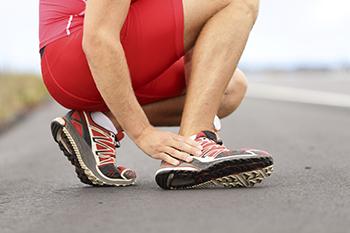
Ankle pain may occur due to a number of different reasons, including obesity. Patients who are obese may experience ankle pain more commonly than others because of the additional weight being carried by their feet. Athletes are also common patients who will likely experience some form of ankle pain. Since athletes are often involved in sporting activities that may result in them falling awkwardly and rolling their ankle or tearing the ligaments in their ankle, it’s important that they take certain precautions before beginning said activity.

Wearing proper footwear and athletic guards, as well as stretching before a sporting event, are great ways to help prevent injury to the ankle. If by chance you do sustain ankle injury, there are certain practices you can perform to help alleviate the discomfort. Icing the affected area, compressing the ankle, keeping the ankle elevated, and getting plenty of rest are all methods that may help lessen the pain that can come with having an ankle injury.

If you believe you’re experiencing an ankle injury, it’s highly recommended that you consult with a podiatrist for professional care and an advised treatment plan.
Heel Spurs

heel spur

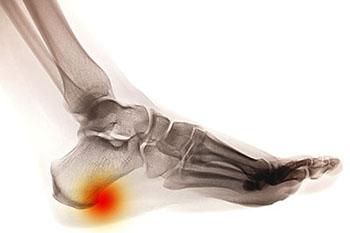
Signs that you may have a heel spur include pain felt in the heel region, swelling at the front of the heel, and inflammation. If the affected area also feels warm to the touch, you may be experiencing the symptoms of a heel spur. Heel spurs are extremely uncomfortable and can often lead to a great deal of pain if left untreated. They may develop due to excess body weight, complications with arthritis, wearing poorly fitted shoes, and bruising of the heel. 

A heel spur takes the form of a bony-like growth. This is due to a calcium deposit that extends between the heel bone and foot arch. They can grow up to half an inch in length; however, they may not be outwardly visible. Because heel spurs tend to grow, increasing the overall discomfort felt, it’s important that you seek professional help as soon as pain is experienced for early detection.

For a proper diagnosis and recommendations for treatment, we suggest you consult with a podiatrist about any heel pain concerns.

Conditions We Treat

  • Achilles Tendon Injuries
  • Ankle Pain
  • Ankle Sprains
  • Arch Pain
  • Ankle Surgery
  • Arthritis
  • Athlete's Foot
  • Bunions
  • Cartilage Damage
  • Charcot's Neuroarthropathy
  • Children's Foot Care
  • Claw Toe
  • Clubfoot in Newborns
  • Dance Injuries
  • Dermatitis
  • Foot Fungus
  • Foot Pain
  • Flat Feet
  • Fractures
  • Ganglion Cysts
  • Gout
  • Hammertoes
  • Heel Pain
  • Heel Spurs
  • Heel Problems
  • Ingrown Toenails
  • Jackson-Weiss Syndrome
  • Lapiplasty 3D Bunion Correction
  • Metatarsalgia
  • MTP Synovitis (capsulitis)
  • Neuroma (Morton's)
  • Osteomylitis
  • Plantar Fasciitis
  • Plantar Warts
  • Rheumatoid Arthritis
  • Running Medicine
  • Sesamoiditis
  • Skin Lesions
  • Soft Tissue Tumors
  • Sports Injuries
  • Tarsal Tunel Syndrome
  • Toe Problems
  • Vascular/Nerve Problems
  • What is a Podiatrist
  • Wound Care

Proper Nutrition for Healthy Feet

Proper Shoes for Activities

The Importance of Good Socks

General Information About Fitness & Your Feet

Best Walking Practices

Stretching

Sports & Your Feet

Fitness & Your Feet

Aerobics

Orthotics

Computed Tomography

Pain Management

Osteomylitis

Charcots Neuroarthropathy (CN)

MTP Synovitis Capsulitis

Fractures

Claw Toe

Soft Tissue Tumors

Cartilage Damage

Fractures

Hammertoes

Bunions

Your Feet at Work

Womens Feet

Foot Self Exam

Foot Care For Seniors

Blisters

Basic Foot Care Guidelines

Nutrition For Your Feet

Corns

Pedicures

Foot Odor & Smelly Feet

Skin Lesions

Children's Foot Care

Wound Care

Dermatitis

Tinea Pedis

Calluses

Arthritis

Plantar Warts

Jackson-Weiss Syndrome

Deformities of the Feet

Tarsal Tunnel Syndrome

Arch Pain

Toe Problems

Vascular Nerve Problems

Ganglion Cysts

Skin Disorders

Athlete's Foot

Plantar Faciitis

Flat Feet

Foot Fungus

Metatarsalgia

Sports Injuries

Plantar Warts

Heel Problems

Bunions

Hammer Toes

Gout

Foot Pain

Conditions We Treat

  • Achilles Tendon Injuries
  • Ankle Pain
  • Ankle Sprains
  • Arch Pain
  • Ankle Surgery
  • Arthritis
  • Athlete's Foot
  • Bunions
  • Calluses
  • Cartilage Damage
  • Charcot's Neuroarthropathy
  • Children's Foot Care
  • Claw Toe
  • Clubfoot in Newborns
  • Corns
  • Dance Injuries
  • Dermatitis
  • Dermatitis
  • Foot Pain
  • Flat Feet
  • Fractures
  • Fungal Nails
  • Ganglion Cysts
  • Gout
  • Hammertoes
  • Heel Pain
  • Heel Spurs
  • Heel Problems
  • Ingrown Toenails
  • Jackson-Weiss Syndrome
  • Lapiplasty 3D Bunion Correction
  • Metatarsalgia
  • MTP Synovitis (capsulitis)
  • Neuroma (Morton's)
  • Osteomylitis
  • Plantar Fasciitis
  • Plantar Warts
  • Rheumatoid Arthritis
  • Running Medicine
  • Sesamoiditis
  • Skin Lesions
  • Soft Tissue Tumors
  • Sports Injuries
  • Tarsal Tunel Syndrome
  • Tinea Pedis
  • Toe Problems
  • Vascular/Nerve Problems
  • What is a Podiatrist
  • Wound Care

Copyright © Southeast Podiatry | Disclaimer | Site Map | Nondiscrimination | Design by: Podiatry Content Connection