Foot Pain During Pregnancy

Pregnancy can bring noticeable changes to the feet as the body adjusts to added weight and shifting balance. Swelling is one concern, especially later in pregnancy. Extra fluid can collect in the feet because of the baby's weight and position. Foot size can also change. A hormone called relaxin makes ligaments more flexible to prepare the body for delivery. This flexibility can allow the feet to become wider and longer, sometimes resulting in a permanent increase of up to half a shoe size.

Arch pain is another foot problem that can develop during pregnancy. Added weight can increase strain on the arches, while changes in foot structure can cause the arches to flatten. This flattening places extra stress on the plantar fascia, the strong band of tissue that supports the arch. Ingrown toenails can also develop when shoes become too tight as the feet swell or change size. Pressure from wearing tight shoes can push the nail into the surrounding skin, leading to tenderness and inflammation. These changes can make standing and walking less comfortable.

A podiatrist can evaluate pregnancy-related foot pain and determine what is causing the discomfort. Treatment can focus on relieving pressure, supporting the arches, and protecting painful areas of the feet. A podiatrist can recommend wearing properly fitted shoes and custom foot orthotics to improve support. An orthotic is a shoe insert designed to support the foot and improve its position. Podiatrists can also treat ingrown toenails safely and assess persistent swelling or pain. Professional foot care can help patients remain comfortable and active as their bodies change throughout pregnancy. If you have symptoms of pregnancy-related foot problems, it is suggested that you schedule an appointment with a podiatrist for effective relief and treatment solutions.

Pregnant women with swollen feet can be treated with a variety of different methods that are readily available. For more information about other cures for swollen feet during pregnancy, consult with Brent Harwood, DPM from Southeast Podiatry. Our doctor will attend to all of your foot and ankle needs.

What Foot Problems Can Arise During Pregnancy?

One problem that can occur is overpronation, which occurs when the arch of the foot flattens and tends to roll inward.  This can cause pain and discomfort in your heels while you’re walking or even just standing up, trying to support your baby.  

Another problem is edema, or swelling in the extremities. This often affects the feet during pregnancy but tends to occur in the later stages. 

How Can I Keep My Feet Healthy During Pregnancy?

  • Wearing orthotics can provide extra support for the feet and help distribute weight evenly
  • Minimize the amount of time spent walking barefoot
  • Wear shoes with good arch support
  • Wear shoes that allow for good circulation to the feet
  • Elevate feet if you experience swelling
  • Massage your feet
  • Get regular, light exercise, such as walking, to promote blood circulation to the feet

If you have any questions, please feel free to contact one of our offices located in Fairhope and Atmore, AL . We offer the newest diagnostic and treatment technologies for all your foot care needs.

Read more about Foot Care for Pregnant Women

Let the Expert Treat Your Ingrown Toenails

Ingrown toenails can be painful and can make wearing shoes or walking uncomfortable. Seek professional help if you believe you've developed an ingrown toenail and be treated safely. 

Bunions and How Podiatrists Treat Them

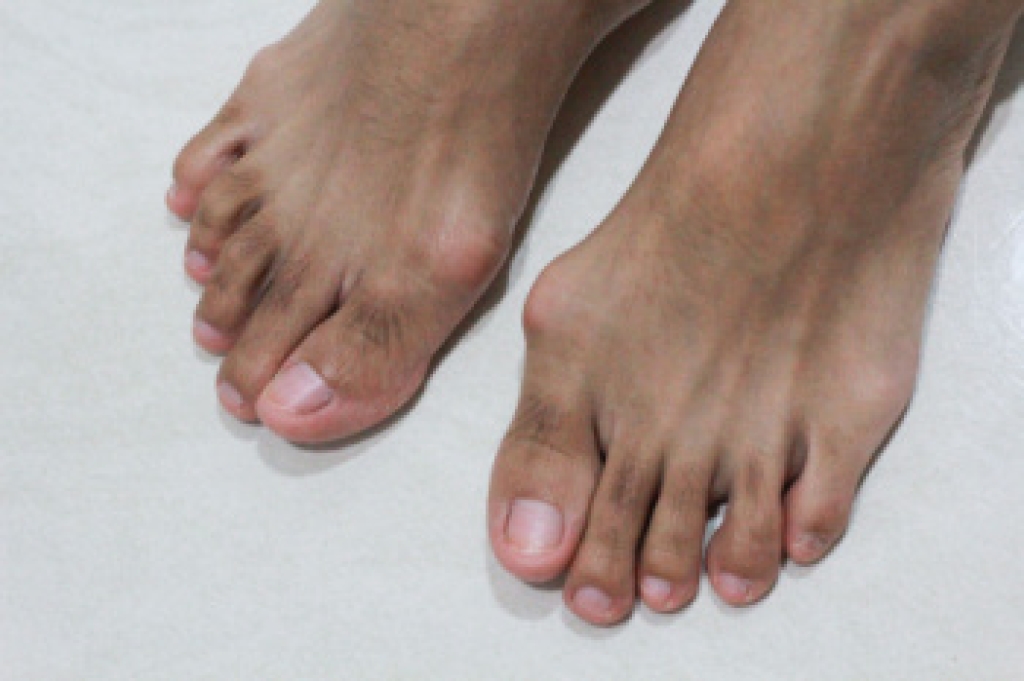
A bunion is a bony bump that forms at the base of the big toe. It develops as the top of the big toe shifts toward the second toe, pushing the joint out of alignment. The bump can become red, swollen, and tender. Other symptoms include aching pain, stiffness, and a burning feeling. Some patients also develop corns where the toes rub together. Bunions can limit shoe choices and make walking difficult. The condition tends to progress gradually, although the rate of change differs among patients. Some bunions remain painless, while others interfere with work, exercise, or performing daily activities.

An inherited foot structure is a factor in bunion development. Certain foot shapes place extra stress on the joint at the base of the big toe. Shoes with a narrow toe box do not directly create the deformity, but they often place added pressure on the area. Wearing high heels may also crowd the toes and worsen discomfort. Because a bunion involves changes in bone alignment, the visible bump does not disappear on its own. Seeking help from a podiatrist when symptoms begin can help to protect the joint.

A podiatrist can examine the foot, assess joint movement, and observe how the patient walks. X-rays can show the position of the bones and the severity of the bunion. Treatment is based on the patient’s pain, activity level, and joint condition. A podiatrist can recommend fitted shoes with a wide toe box. Treatment also includes protective padding or custom orthotics to reduce pressure and improve foot function. When these measures do not provide enough relief, the podiatrist can discuss whether surgery is appropriate. Bunion surgery can realign the bones, correct damaged tissues, and reduce pain. The procedure selected depends on the bunion’s structure and severity. If you are experiencing pain from a bunion, it is suggested that you schedule an appointment with a podiatrist for effective relief, treatment, and management solutions.

If you are suffering from bunions, contact Brent Harwood, DPM of Southeast Podiatry. Our doctor can provide the care you need to keep you pain-free and on your feet.

What Is a Bunion?

A bunion is formed of swollen tissue or an enlargement of boney growth, usually located at the base joint of the toe that connects to the foot. The swelling occurs due to the bones in the big toe shifting inward, which impacts the other toes of the foot. This causes the area around the base of the big toe to become inflamed and painful.

Why Do Bunions Form?

Genetics – Susceptibility to bunions are often hereditary

Stress on the feet – Poorly fitted and uncomfortable footwear that places stress on feet, such as heels, can worsen existing bunions

How Are Bunions Diagnosed?

Podiatrists often perform two tests – blood tests and x-rays – when trying to diagnose bunions, especially in the early stages of development. Blood tests help determine if the foot pain is being caused by something else, such as arthritis, while x-rays provide a clear picture of your bone structure to your provider.

How Are Bunions Treated?

  • Refrain from wearing heels or similar shoes that cause discomfort
  • Select wider shoes that can provide more comfort and reduce pain
  • Anti-inflammatory and pain management drugs
  • Orthotics or foot inserts
  • Surgery

If you have any questions, please feel free to contact one of our offices located in Fairhope and Atmore, AL . We offer the newest diagnostic and treatment technologies for all your foot care needs.

Read more about Bunions

Heel Pain in the Morning?

Heel pain can negatively affect your day-to-day life. Simple activities like walking can become incredibly uncomfortable or painful due to heel pain.

Don’t live with heel pain and get treated.

Sinus Tarsi Syndrome and Outer Ankle Pain

Sinus tarsi syndrome causes pain and discomfort in a small space on the outside of the ankle called the sinus tarsi. This area is located between the ankle and heel bones and contains important ligaments and soft tissues that help support ankle stability. Sinus tarsi syndrome often develops after an ankle sprain or repeated stress that affects the structures within this space. Symptoms may include pain on the outer ankle, tenderness, and a feeling of instability. Discomfort may become worse when walking on uneven surfaces, standing, or participating in physical activity.

Several factors can contribute to sinus tarsi syndrome. A previous ankle sprain may damage or stretch supporting ligaments and create ongoing instability. Flat feet can also change how the foot and ankle move, increasing stress around the sinus tarsi. Repetitive activities that involve running, jumping, or uneven terrain may further irritate the area. Risk factors include previous ankle injuries, unstable ankles, and activities that place repeated stress on the lower extremities. Some people develop symptoms gradually, while others notice pain after a specific injury.

A podiatrist can evaluate the ankle and determine whether sinus tarsi syndrome is causing the symptoms. The examination may include reviewing injury history, checking tenderness, and assessing ankle stability. Imaging tests may be recommended when a more detailed evaluation is needed. Treatment depends on the underlying cause and may include activity modification and supportive footwear. Other measures designed to improve stability and reduce irritation may be suggested.

Persistent outer ankle pain should not be ignored, especially when it affects balance or confidence while walking. Addressing the underlying mechanical problem can help reduce stress on the sinus tarsi and support more comfortable movement. If you have symptoms of sinus tarsi syndrome or consistent pain on the outside of your ankle, it is suggested that you consult a podiatrist for effective relief and treatment solutions. 

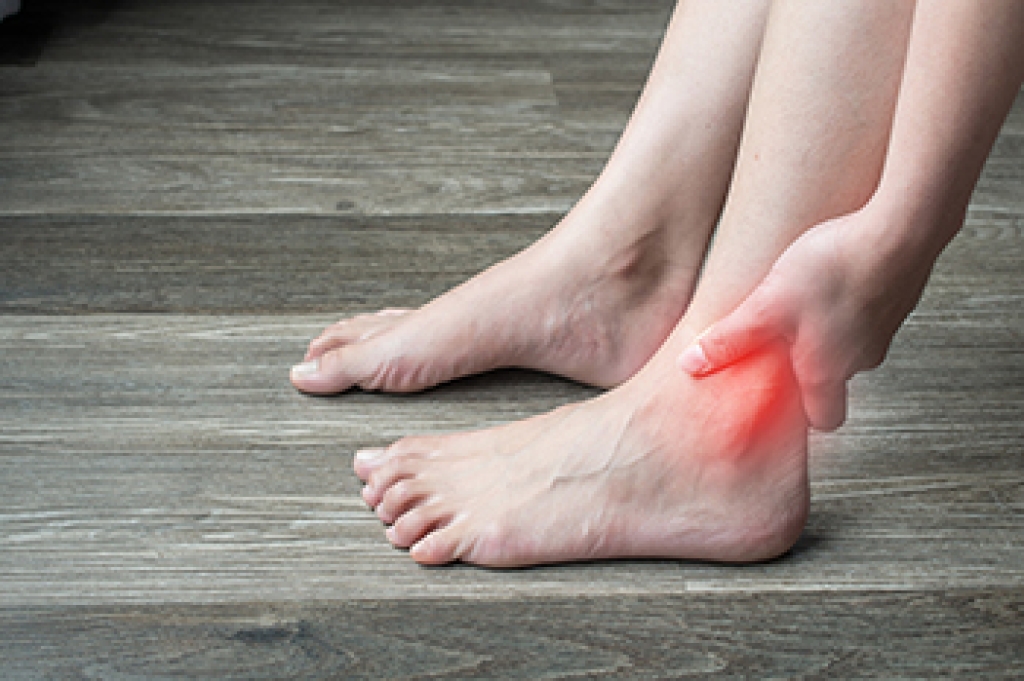
Ankle pain can be caused by a number of problems and may be potentially serious. If you have ankle pain, consult with Brent Harwood, DPM from Southeast Podiatry. Our doctor will assess your condition and provide you with quality foot and ankle treatment.

Ankle pain is any condition that causes pain in the ankle. Due to the fact that the ankle consists of tendons, muscles, bones, and ligaments, ankle pain can come from a number of different conditions.

Causes

The most common causes of ankle pain include:

  • Types of arthritis (rheumatoid, osteoarthritis, and gout)
  • Ankle sprains
  • Broken ankles
  • Achilles tendonitis
  • Achilles tendon rupture
  • Stress fractures
  • Bursitis
  • Tarsal tunnel syndrome
  • Plantar fasciitis

Symptoms

Symptoms of ankle injury vary based upon the condition. Pain may include general pain and discomfort, swelling, aching, redness, bruising, burning or stabbing sensations, and/or loss of sensation.

Diagnosis

Due to the wide variety of potential causes of ankle pain, podiatrists will utilize a number of different methods to properly diagnose ankle pain. This can include asking for personal and family medical histories and of any recent injuries. Further diagnosis may include sensation tests, a physical examination, and potentially x-rays or other imaging tests.

Treatment

Just as the range of causes varies widely, so do treatments. Some more common treatments are rest, ice packs, keeping pressure off the foot, orthotics and braces, medication for inflammation and pain, and surgery.

If you have any questions please feel free to contact one of our offices located in Fairhope and Atmore, AL . We offer the newest diagnostic tools and technology to treat your foot and ankle needs.

Read more about Various Causes of Ankle Pain