Fairhope and Atmore
Phone (251) 928-6768




Do you suffer from heel pain when you get up in the morning? If so, you should seek professional help and have a proper diagnosis performed. Heel pain can be caused by several different foot-related conditions.
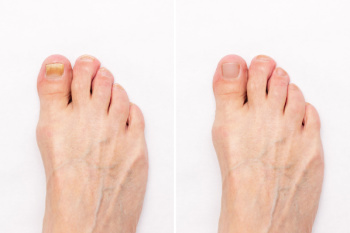
Toenail fungus, also called onychomycosis, often starts slowly, but can become stubborn, over time. Mild cases may respond to topical care, but thicker, discolored, or spreading infections often need a different approach. Oral treatment is sometimes recommended when multiple nails are involved, the nail is significantly thickened, or previous treatments have failed. These medications work from the inside out, reaching the nail through the bloodstream to target fungus beneath the nail plate. Because nails grow slowly, treatment usually continues for several months while healthy nails replace damaged nails. Oral therapy is not right for everyone and requires proper evaluation, including review of medical history and monitoring, when appropriate. Used correctly, it can improve nail appearance, comfort, and long-term results. If toenail fungus is persistent or worsening, it is suggested that you see a podiatrist to determine the most appropriate treatment plan.
If left untreated, toenail fungus may spread to other toenails, skin, or even fingernails. If you suspect you have toenail fungus it is important to seek treatment right away. For more information about treatment, contact Brent Harwood, DPM of Southeast Podiatry. Our doctor can provide the care you need to keep you pain-free and on your feet.
Symptoms
Treatment
If self-care strategies and over-the-counter medications does not help your fungus, your podiatrist may give you a prescription drug instead. Even if you find relief from your toenail fungus symptoms, you may experience a repeat infection in the future.
Prevention
In order to prevent getting toenail fungus in the future, you should always make sure to wash your feet with soap and water. After washing, it is important to dry your feet thoroughly especially in between the toes. When trimming your toenails, be sure to trim straight across instead of in a rounded shape. It is crucial not to cover up discolored nails with nail polish because that will prevent your nail from being able to “breathe”.
In some cases, surgical procedure may be needed to remove the toenail fungus. Consult with your podiatrist about the best treatment options for your case of toenail fungus.
If you have any questions please contact one of our offices located in Fairhope and Atmore, AL . We offer the newest diagnostic and treatment technologies for all your foot and ankle needs.

You don't need an excuse to have beautiful nails. Step outside without worrying about the appearance of your feet.
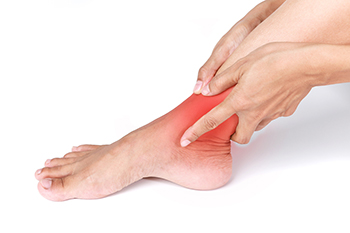
Anterior ankle impingement occurs when soft tissue or bone at the front of the ankle becomes compressed during motion. It is often linked to repeated ankle sprains, high-impact activities, or long-standing joint irritation. People may notice pain at the front of the ankle when walking uphill, squatting, or bending the foot upward. Swelling, stiffness, and a feeling of blockage during movement are also common. Over time, this condition can alter gait and place added strain on surrounding structures of the foot and lower leg. Early management may include rest, footwear changes, bracing, or targeted therapy to reduce irritation and restore smoother motion. In some cases, ongoing compression requires more advanced care. If ankle pain, stiffness, or limited movement persists, it is suggested that you see a podiatrist for a proper diagnosis and appropriate treatment.
Ankle pain can have many different causes and the pain may potentially be serious. If you have ankle pain, consult with Brent Harwood, DPM from Southeast Podiatry. Our doctor will assess your condition and provide you with quality foot and ankle treatment.
Ankle pain is any condition that causes pain in the ankle. Due to the fact that the ankle consists of tendons, muscles, bones, and ligaments, ankle pain can come from a number of different conditions.
Causes
The most common causes of ankle pain include:
Symptoms
Symptoms of ankle injury vary based upon the condition. Pain may include general pain and discomfort, swelling, aching, redness, bruising, burning or stabbing sensations, and/or loss of sensation.
Diagnosis
Due to the wide variety of potential causes of ankle pain, podiatrists will utilize a number of different methods to properly diagnose ankle pain. This can include asking for personal and family medical histories and of any recent injuries. Further diagnosis may include sensation tests, a physical examination, and potentially x-rays or other imaging tests.
Treatment
Just as the range of causes varies widely, so do treatments. Some more common treatments are rest, ice packs, keeping pressure off the foot, orthotics and braces, medication for inflammation and pain, and surgery.
If you have any questions please feel free to contact one of our offices located in Fairhope and Atmore, AL . We offer the newest diagnostic tools and technology to treat your foot and ankle needs.

Have your child's feet been examined lately? Healthy feet are happy feet. If your child is complaining of foot pain, it may be a sign of underlying problems.

Osteoarthritis is a common joint condition that often affects the feet, ankles, knees, and hips. Excess body weight increases stress on weight-bearing joints, accelerating cartilage wear and worsening inflammation. Even modest weight gain can significantly increase pressure through the lower extremities with every step. Over time, this added load may lead to stiffness, swelling, and chronic foot pain that limits mobility and daily activity. Weight loss can play a meaningful role in managing osteoarthritis symptoms. Reducing body weight helps decrease joint stress, improve walking comfort, and slow disease progression. Many people notice less pain and improved endurance with gradual, sustainable weight reduction. Low-impact exercise, wearing supportive footwear, and orthotics may further protect the joints while remaining active. Weight management also supports overall joint health and balance, lowering fall risk. When osteoarthritis-related foot pain persists or worsens, it is suggested that you seek an evaluation by a podiatrist who can help guide treatment options and long-term care.
Arthritis can be a difficult condition to live with. If you are seeking treatment, contact Brent Harwood, DPM from Southeast Podiatry. Our doctor can provide the care you need to keep you pain-free and on your feet.
Arthritic Foot Care
Arthritis is a joint disorder that involves the inflammation of different joints in your body, such as those in your feet. Arthritis is often caused by a degenerative joint disease and causes mild to severe pain in all affected areas. In addition to this, swelling and stiffness in the affected joints can also be a common symptom of arthritis.
In many cases, wearing ill-fitting shoes can worsen the effects and pain of arthritis. Wearing shoes that have a lower heel and extra room can help your feet feel more comfortable. In cases of rheumatoid arthritis, the arch in your foot may become problematic. Buying shoes with proper arch support that contour to your feet can help immensely.
Alleviating Arthritic Pain
It is best to see your doctor for the treatment that is right for your needs and symptoms. Conditions vary, and a podiatrist can help you determine the right method of care for your feet.
If you have any questions please feel free to contact one of our offices located in Fairhope and Atmore, AL . We offer the newest diagnostic tools and technology to treat your foot and ankle needs.

Suffering from this type of pain? You may have the foot condition known as Morton's neuroma. Morton's neuroma may develop as a result of ill-fitting footwear and existing foot deformities. We can help.
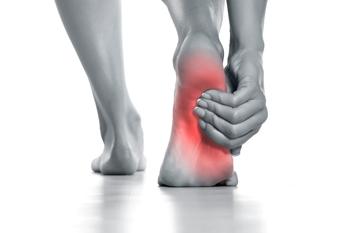
Foot arch pain can affect people of all ages and activity levels. It often develops when the structures that support the arch become strained or inflamed due to overuse, flat feet, high arches, or sudden changes in activity. Symptoms include aching, burning, or sharp pain along the inner or central part of the foot that worsens with standing or walking. The foot may look normal or show subtle swelling, and the arch can feel tender or fatigued, especially first thing in the morning or after long periods on the feet. A podiatrist can help by starting with a detailed history and physical examination, sometimes supported by imaging, to identify the exact cause. Treatment may begin with footwear guidance and custom orthotics, followed by targeted exercises, activity modification, and other therapies to reduce strain and improve support. If you have foot arch pain, it is suggested that you make an appointment with a podiatrist.
Foot Pain
Foot pain can be extremely painful and debilitating. If you have a foot pain, consult with Brent Harwood, DPM from Southeast Podiatry. Our doctor will assess your condition and provide you with quality foot and ankle treatment.
Causes
Foot pain is a very broad condition that could be caused by one or more ailments. The most common include:
Diagnosis
To figure out the cause of foot pain, podiatrists utilize several different methods. This can range from simple visual inspections and sensation tests to X-rays and MRI scans. Prior medical history, family medical history, and any recent physical traumatic events will all be taken into consideration for a proper diagnosis.
Treatment
Treatment depends upon the cause of the foot pain. Whether it is resting, staying off the foot, or having surgery; podiatrists have a number of treatment options available for foot pain.
If you have any questions, please feel free to contact one of our offices located in Fairhope and Atmore, AL . We offer the newest diagnostic and treatment technologies for all your foot care needs.

If left untreated, an ingrown toenail can lead to more serious concerns, such as an infection. Knowing proper nail care can help in the prevention of an ingrown toenail. Give us a call, and get treated!
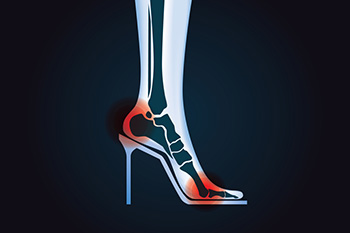
The biomechanics of the feet change significantly when wearing high heels, shifting body weight forward, and increasing pressure on the forefoot, while limiting natural ankle motion. This altered alignment can strain muscles, tendons, and joints, leading to fatigue, pain, and imbalance during standing and walking. Risk factors include prolonged high heel wear, narrow toe boxes, elevated heel height, and existing foot structure concerns. Common foot conditions linked to high heels include bunions, hammertoes, and neuromas, in addition to plantar fasciitis, Achilles tendon tightness, stress fractures, and ankle instability. A podiatrist can evaluate gait, address pain, recommend supportive footwear, custom orthotics, and provide medical treatment to reduce damage. If you frequently wear high heels and have developed foot pain, it is suggested that you consult a podiatrist who can treat various foot and ankle conditions, and guide you on what type of heels to wear.
If you have any concerns about your feet, contact Brent Harwood, DPM from Southeast Podiatry. Our doctor can provide the care you need to keep you pain-free and on your feet.
Biomechanics in Podiatry
Podiatric biomechanics is a particular sector of specialty podiatry with licensed practitioners who are trained to diagnose and treat conditions affecting the foot, ankle and lower leg. Biomechanics deals with the forces that act against the body, causing an interference with the biological structures. It focuses on the movement of the ankle, the foot and the forces that interact with them.
A History of Biomechanics
Modern technological improvements are based on past theories and therapeutic processes that provide a better understanding of podiatric concepts for biomechanics. Computers can provide accurate information about the forces and patterns of the feet and lower legs.
Understanding biomechanics of the feet can help improve and eliminate pain, stopping further stress to the foot.
If you have any questions please feel free to contact one of our offices located in Fairhope and Atmore, AL . We offer the newest diagnostic and treatment technologies for all your foot and ankle needs.

Have you noticed a bony protrusion on the side of your big toe? If so, you may have developed the foot condition known as a bunion. Don't let bunions interfere with your daily activities.

Working in a kitchen can be demanding on the feet due to long hours of standing and walking on hard surfaces. Using anti-fatigue mats helps reduce pressure and strain, while taking breaks to rest the feet can prevent soreness. Wearing supportive, non-slip shoes provides stability and reduces the risk of falls. Additionally, compression socks may improve circulation and decrease swelling. Paying attention to early signs of foot discomfort allows for timely care and prevention of serious injuries. A podiatrist can assess foot health, recommend proper footwear, and provide treatments for pain or fatigue. If you have foot pain while working, it is suggested that you consult a podiatrist who can treat various foot conditions, and guide you on additional tips for foot protection on the job.
While working on the feet, it is important to take the proper care of them. For more information about working on your feet, contact Brent Harwood, DPM from Southeast Podiatry. Our doctor will treat your foot and ankle needs.
Working on Your Feet
Standing on your feet for long periods of time can cause stress and pain in your feet. Your whole body may experience change in terms of posture, back pain, bunions, callouses and or plantar warts. There are ways to avoid these conditions with proper foot care, smart choices and correct posture.
Positive Changes
Negative heeled shoe – Choosing this shoe type places the heel slightly lower than the ball of the foot. These are great for overall foot health. Find shoes that fit you correctly.
Go barefoot – Our feet were not designed to be enclosed for all hours of the day. Try to periodically expose your feet to air.
Eliminate Pain
Foot Exercises – Performing simple exercises, incorporating yoga and doing stretches are beneficial. This will allow increased blood flow to the area and muscles of the foot.
Achilles tendon – Stretching the foot out flat on the floor will relax the calf muscles and tendon. These exercises can be performed almost anywhere. Make sure you add these exercises to your daily regimen.
With a little bit of this information and knowing more about foot health, you will notice changes. Foot stretches and proper footwear will help with pain and prevent further issues.
If you have any questions please contact one of our offices located in Fairhope and Atmore, AL . We offer the newest diagnostic and treatment technologies for all your foot and ankle needs.

Gout is a painful, inflammatory form of arthritis. Those affected will typically feel an intense stiffness in the joints of their feet, particularly in the big toe. Schedule a visit to learn about how gout can be managed and treated.
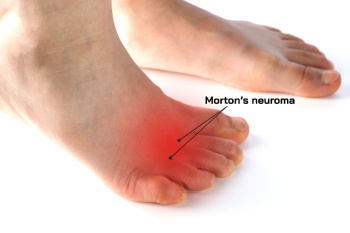
Morton’s neuroma is a painful nerve condition that affects the ball of the foot, most often between the third and fourth toes. The foot usually looks normal on the outside, but some people notice mild swelling or spreading of the toes. It often feels like burning or numbness, sometimes described as standing on a pebble or a folded sock. Symptoms may worsen with walking, running, or wearing tight shoes. A podiatrist can help from the start by evaluating symptoms, examining foot structure, and confirming the diagnosis with imaging when needed. Treatment may begin with footwear changes, padding, orthotics, and inflammation control. Care can then progress into activity modification and advanced treatment options when conservative care is not effective. It is suggested that if you are experiencing nerve pain in the ball of the foot, you make an appointment with a podiatrist.
Morton’s neuroma is a very uncomfortable condition to live with. If you think you have Morton’s neuroma, contact Brent Harwood, DPM of Southeast Podiatry. Our doctor will attend to all of your foot care needs and answer any of your related questions.
Morton’s Neuroma
Morton's neuroma is a painful foot condition that commonly affects the areas between the second and third or third and fourth toe, although other areas of the foot are also susceptible. Morton’s neuroma is caused by an inflamed nerve in the foot that is being squeezed and aggravated by surrounding bones.
What Increases the Chances of Having Morton’s Neuroma?
Morton’s neuroma is a very treatable condition. Orthotics and shoe inserts can often be used to alleviate the pain on the forefront of the feet. In more severe cases, corticosteroids can also be prescribed. In order to figure out the best treatment for your neuroma, it’s recommended to seek the care of a podiatrist who can diagnose your condition and provide different treatment options.
If you have any questions, please feel free to contact one of our offices located in Fairhope and Atmore, AL . We offer the newest diagnostic and treatment technologies for all your foot care needs.