Fairhope and Atmore
Phone (251) 928-6768



Diabetic neuropathy damages the nerves in the feet due to prolonged high blood sugar levels, making people more vulnerable to serious foot problems. Nerve damage often causes numbness, tingling, burning, or sharp pain in the toes and feet. Because sensation is reduced, injuries like cuts, blisters, or sores may go unnoticed, allowing them to worsen into ulcers or become infected. In advanced cases, untreated wounds can lead to gangrene and the possibility of limb loss. Neuropathy can also weaken the muscles in the feet and ankles, increasing the risk of imbalance and falls. Some people may develop changes in foot shape, which can lead to bone fractures and collapse. A podiatrist can detect early warning signs of neuropathy through a thorough foot exam, provide treatment to relieve discomfort, and help prevent further complications. If you have symptoms of neuropathy in your feet, it is suggested that you make an appointment with a podiatrist for ongoing help in managing this condition.
Neuropathy
Neuropathy can be a potentially serious condition, especially if it is left undiagnosed. If you have any concerns that you may be experiencing nerve loss in your feet, consult with Brent Harwood, DPM from Southeast Podiatry. Our doctor will assess your condition and provide you with quality foot and ankle treatment for neuropathy.
What Is Neuropathy?
Neuropathy is a condition that leads to damage to the nerves in the body. Peripheral neuropathy, or neuropathy that affects your peripheral nervous system, usually occurs in the feet. Neuropathy can be triggered by a number of different causes. Such causes include diabetes, infections, cancers, disorders, and toxic substances.
Symptoms of Neuropathy Include:
Those with diabetes are at serious risk due to being unable to feel an ulcer on their feet. Diabetics usually also suffer from poor blood circulation. This can lead to the wound not healing, infections occurring, and the limb may have to be amputated.
Treatment
To treat neuropathy in the foot, podiatrists will first diagnose the cause of the neuropathy. Figuring out the underlying cause of the neuropathy will allow the podiatrist to prescribe the best treatment, whether it be caused by diabetes, toxic substance exposure, infection, etc. If the nerve has not died, then it’s possible that sensation may be able to return to the foot.
Pain medication may be issued for pain. Electrical nerve stimulation can be used to stimulate nerves. If the neuropathy is caused from pressure on the nerves, then surgery may be necessary.
If you have any questions, please feel free to contact one of our offices located in Fairhope and Atmore, AL . We offer the newest diagnostic and treatment technologies for all your foot care needs.

Ingrown toenails can be painful and can make wearing shoes or walking uncomfortable. Seek professional help if you believe you've developed an ingrown toenail and be treated safely.

Swelling in the feet and ankles, known as peripheral edema, develops when fluid collects in the soft tissues of the lower limbs. This is often the result of gravity, which pulls fluid downward, making the feet and ankles more prone to noticeable swelling. Common causes of swollen feet and ankles include standing or sitting for long periods and carrying excess body weight, which places added pressure on circulation. Injuries or infections involving the foot or ankle often result in localized swelling due to increased blood flow. In some cases, more serious conditions like venous insufficiency, lymphedema, or a blood clot may impair blood flow and lead to persistent swelling. Hormonal changes, as well as issues with the liver, kidneys, or heart, can also contribute. A podiatrist can help determine the source of the swelling through examination and testing. If swollen feet and ankles are affecting your daily activities, it is suggested that you make an appointment with a podiatrist for an exam, diagnosis, and appropriate treatment.
Swollen feet can be a sign of an underlying condition. If you have any concerns, contact Brent Harwood, DPM of Southeast Podiatry. Our doctor can provide the care you need to keep you pain-free and on your feet.
Swollen feet are a common ailment among pregnant women and people who stand or sit for extended periods. Aging may increase the possibility of swollen feet and patients who are obese often notice when their feet are swelling too. There may be medical reasons why swollen feet occur:
Swollen feet can also be caused by bone and tendon conditions, including fractures, arthritis, and tendinitis. Additionally, there may be skin and toenail conditions and an infection may cause the feet to swell. Patients who take medicine to treat high blood pressure may be prone to getting swollen feet.
Many patients elevate their feet to help relieve the swelling and this is generally a temporary remedy. When a podiatrist is consulted the reason behind the swelling can be uncovered and subsequently treated.
If you have any questions please contact one of our offices located in Fairhope and Atmore, AL . We offer the newest diagnostic and treatment technologies for all your foot and ankle needs.

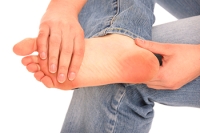
Heel pain can negatively affect your day-to-day life. Simple activities like walking can become incredibly uncomfortable or painful due to heel pain.
Don’t live with heel pain and get treated.

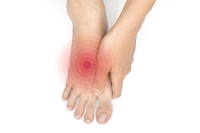
Stiffness in the big toe, often linked to a condition called hallux limitus, can greatly interfere with normal foot function. The big toe joint plays an important role in walking, balance, and push-off during each step. When motion at the joint is reduced, it can cause pain on the top of the toe and limit the ability to bend it properly. Over time, this stiffness may lead to bone spurs forming around the joint, further restricting movement and contributing to swelling or discomfort in shoes. In more advanced cases, the joint may become rigid, a condition known as hallux rigidus, which can cause ongoing pain and difficulty with everyday activities. A podiatrist can evaluate stiffness in the big toe and recommend treatment options to restore mobility, relieve pain, and protect long-term joint health. If you notice stiffness in your big toe, it is suggested that you schedule an appointment with a podiatrist for an evaluation and appropriate treatment.
Toe pain can disrupt your daily activities. If you have any concerns, contact Brent Harwood, DPM of Southeast Podiatry. Our doctor can provide the care you need to keep you pain-free and on your feet.
What Causes Toe Pain?
Most severe toe pain is caused due to a sports injury, trauma from dropping something heavy on the toe, or bumping into something rigid. Other problems can develop over time for various reasons.
Toe pain can be caused by one or more ailments. The most common include:
When to See a Podiatrist
Diagnosis
In many cases the cause of toe pain is obvious, but in others, a podiatrist may want to use more advanced methods to determine the problem. These can range from simple visual inspections and sensation tests to X-rays and MRI scans. Prior medical history, family medical history, and any recent physical traumatic events will all be taken into consideration for a proper diagnosis.
Treatment
Treatments for toe pain and injuries vary and may include shoe inserts, padding, taping, medicines, injections, and in some cases, surgery. If you believe that you have broken a toe, please see a podiatrist as soon as possible.
If you have any questions please contact one of our offices located in Fairhope and Atmore, AL . We offer the newest diagnostic and treatment technologies for all your foot and ankle needs.

Do you suffer from heel pain when you get up in the morning? If so, you should seek professional help and have a proper diagnosis performed. Heel pain can be caused by several different foot-related conditions.

Sever's disease, also known as calcaneal apophysitis, is a common cause of heel pain in growing children, especially those who are active in sports. It occurs when the growth plate in the heel becomes inflamed due to repetitive stress or tension from the Achilles tendon. Symptoms include heel pain during or after physical activity, limping, tenderness at the back of the heel, swelling, and difficulty walking or running. The pain may feel sharp or aching and typically worsens with movement. Sever's disease is most common during growth spurts, often between the ages of eight and 14. A podiatrist can diagnose the condition through a physical examination and a review of the child’s activity level and symptoms. Treatment may include heel supports, stretching exercises, and changes in footwear. If your child is experiencing heel pain during growth, it is suggested that you schedule an appointment with a podiatrist for a proper diagnosis and appropriate care.
Sever's disease often occurs in children and teens. If your child is experiencing foot or ankle pain, see Brent Harwood, DPM from Southeast Podiatry. Our doctor can treat your child’s foot and ankle needs.
Sever’s Disease
Sever’s disease is also known as calcaneal apophysitis, which is a medical condition that causes heel pain I none or both feet. The disease is known to affect children between the ages of 8 and 14.
Sever’s disease occurs when part of the child’s heel known as the growth plate (calcaneal epiphysis) is attached to the Achilles tendon. This area can suffer injury when the muscles and tendons of the growing foot do not keep pace with bone growth. Therefore, the constant pain which one experiences at the back of the heel will make the child unable to put any weight on the heel. The child is then forced to walk on their toes.
Symptoms
Acute pain – Pain associated with Sever’s disease is usually felt in the heel when the child engages in physical activity such as walking, jumping and or running.
Highly active – Children who are very active are among the most susceptible in experiencing Sever’s disease, because of the stress and tension placed on their feet.
If you have any questions, please feel free to contact one of our offices located in Fairhope and Atmore, AL . We offer the newest diagnostic and treatment technologies for all your foot care needs.

You don't need an excuse to have beautiful nails. Step outside without worrying about the appearance of your feet.

Flip-flops may feel convenient in warm weather, but they can have negative effects on foot health. Wearing them regularly alters the natural gait pattern and affects the biomechanics of the foot and ankle. This often leads to shorter strides and overworked muscles, which can contribute to pain and instability. Prolonged use may increase the risk of foot conditions such as plantar fasciitis, tendonitis, or stress injuries due to lack of support. A podiatrist can evaluate any issues caused by improper footwear and recommend healthier alternatives that provide stability and comfort. If you are experiencing foot discomfort from wearing flip-flops, it is suggested that you consult a podiatrist who can treat various conditions, and guide you on alternative shoe choices to consider.
Flip-flops can cause a lot of problems for your feet. If you have any concerns about your feet or ankles, contact Brent Harwood, DPM from Southeast Podiatry. Our doctor will assist you with all of your foot and ankle needs.
Flip-Flops and Feet
Flip-flops have managed to become a summer essential for a lot of people. While the shoes may be stylish and easy to slip on and off, they can be dangerous to those who wear them too often. These shoes might protect you from fungal infections such as athlete’s foot, but they can also give you foot pain and sprained ankles if you trip while wearing them.
When Are They Okay to Wear?
Flip-flops should only be worn for very short periods of time. They can help protect your feet in places that are crawling with fungi, such as gym locker rooms. Athlete’s foot and plantar warts are two common fungi that flip-flops may help protect your feet against.
Why Are They Bad for My Feet?
These shoes do not offer any arch support, so they are not ideal for everyday use. They also do not provide shock absorption or heel cushioning which can be problematic for your feet. Additionally, you may suffer from glass cuts, puncture wounds, and stubbed toes since they offer little protection for your feet.
More Reasons Why They Are Bad for Your Feet
If you have any questions, please feel free to contact one of our offices located in Fairhope and Atmore, AL . We offer the newest diagnostic and treatment technologies for all your foot care needs.