Fairhope and Atmore
Phone (251) 928-6768




Gout is a painful, inflammatory form of arthritis. Those affected will typically feel an intense stiffness in the joints of their feet, particularly in the big toe. Schedule a visit to learn about how gout can be managed and treated.

Foot pain can sometimes be caused by rheumatoid arthritis or gout, each affecting the joints in different ways. Rheumatoid arthritis is an autoimmune condition that often causes pain, swelling, and stiffness in multiple joints. The joints may feel warm, appear swollen, and become increasingly stiff, especially in the morning or after rest. Over time, joint shape may change, leading to deformities and difficulty walking. Gout typically presents as a sudden and intense attack of pain, often affecting the big toe. The joint may become red, hot, and extremely tender, sometimes developing overnight. This occurs due to a buildup of uric acid crystals in the joint. A podiatrist can help distinguish between these conditions through examination and testing. They can then coordinate care that may include medication, supportive footwear, and custom orthotics to protect the joints. If you have foot pain from rheumatoid arthritis or gout, it is suggested that you make an appointment with a podiatrist.
Because RA affects more than just your joints, including the joints in your feet and ankles, it is important to seek early diagnosis from your podiatrist if you feel like the pain in your feet might be caused by RA. For more information, contact Brent Harwood, DPM of Southeast Podiatry. Our doctor will assist you with all of your podiatric concerns.
What Is Rheumatoid Arthritis?
Rheumatoid Arthritis (RA) is an autoimmune disorder in which the body’s own immune system attacks the membranes surrounding the joints. Inflammation of the lining and eventually the destruction of the joint’s cartilage and bone occur, causing severe pain and immobility.
Rheumatoid Arthritis of the Feet
Although RA usually attacks multiple bones and joints throughout the entire body, almost 90 percent of cases result in pain in the foot or ankle area.
Symptoms
Diagnosis
Quick diagnosis of RA in the feet is important so that the podiatrist can treat the area effectively. Your doctor will ask you about your medical history, occupation, and lifestyle to determine the origin of the condition. Rheumatoid Factor tests help to determine if someone is affected by the disease.
If you have any questions, please feel free to contact one of our offices located in Fairhope and Atmore, AL . We offer the newest diagnostic and treatment technologies for all your foot care needs.

Plantar warts are small growths that develop on parts of the feet that bear weight. They're typically found on the bottom of the foot. Don't live with plantar warts, and call us today!
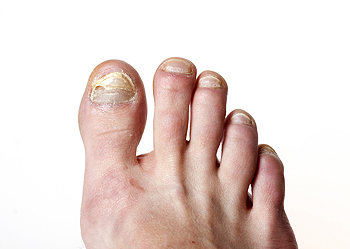
Onychomycosis, a fungal infection of the nail that leads to thickening, discoloration, and brittle changes, is being approached with greater accuracy and more individualized care. Evaluation often includes lab testing, such as nail sampling with a microscopic evaluation or culture to confirm fungus before care begins, helping to avoid unnecessary or ineffective medications. Care options have also expanded beyond standard oral medications. Newer topical treatments are designed to better reach the nail bed, improving results for some patients. In certain cases, combining methods may offer better outcomes and lower the chance of recurrence. Daily foot care, keeping nails trimmed, and choosing breathable footwear all support long-term nail health. When nail changes persist or worsen despite home care, it is suggested that you see a podiatrist who can guide you toward the most appropriate next steps.
For more information about treatment, contact Brent Harwood, DPM of Southeast Podiatry. Our doctor can provide the care you need to keep you pain-free and on your feet.
Toenail Fungus Treatment
Toenail fungus is a condition that affects many people and can be especially hard to get rid of. Fortunately, there are several methods to go about treating and avoiding it.
Antifungals & Deterrence
Oral antifungal medicine has been shown to be effective in many cases. It is important to consult with a podiatrist to determine the proper regiment for you, or potentially explore other options.
Applying foot powder on the feet and shoes helps keep the feet free of moisture and sweat.
Sandals or open toed shoes – Wearing these will allow air movement and help keep feet dry. They also expose your feet to light, which fungus cannot tolerate. Socks with moisture wicking material also help as well.
If you have any questions please contact one of our offices located in Fairhope and Atmore, AL . We offer the newest diagnostic and treatment technologies for all your foot and ankle needs.

Painful deformities, such as hammertoes, can be treated. Stop living with foot pain, and have beautiful feet again!
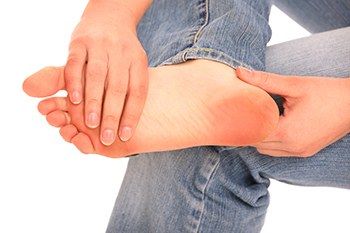
Foot tendinitis occurs when one or more tendons become irritated or inflamed, often due to overuse or strain. Pain may develop along the top, side, or arch of the foot, and it can feel achy, sharp, or tight with movement. The area may appear slightly swollen and tender to the touch, and discomfort often worsens during walking, running, or standing for long periods. Foot tendinitis is commonly linked to repetitive activity, sudden increases in exercise, improper footwear, or structural imbalances in the foot. A podiatrist can evaluate the affected tendon through a physical exam and may use imaging to confirm the diagnosis. Treatment typically focuses on reducing inflammation and restoring function with supportive footwear, custom orthotics, and targeted exercises to strengthen and stabilize the foot. Early care can help prevent worsening symptoms or chronic injury. If you have ongoing foot pain, it is suggested that you make an appointment with a podiatrist.
Foot Pain
Foot pain can be extremely painful and debilitating. If you have a foot pain, consult with Brent Harwood, DPM from Southeast Podiatry. Our doctor will assess your condition and provide you with quality foot and ankle treatment.
Causes
Foot pain is a very broad condition that could be caused by one or more ailments. The most common include:
Diagnosis
To figure out the cause of foot pain, podiatrists utilize several different methods. This can range from simple visual inspections and sensation tests to X-rays and MRI scans. Prior medical history, family medical history, and any recent physical traumatic events will all be taken into consideration for a proper diagnosis.
Treatment
Treatment depends upon the cause of the foot pain. Whether it is resting, staying off the foot, or having surgery; podiatrists have a number of treatment options available for foot pain.
If you have any questions, please feel free to contact one of our offices located in Fairhope and Atmore, AL . We offer the newest diagnostic and treatment technologies for all your foot care needs.

Neuropathy is a condition that can lead to numbness or loss of sensation in the feet, but it can also cause pain. This condition is more likely to develop for those who are diabetic, obese, or with high blood pressure.
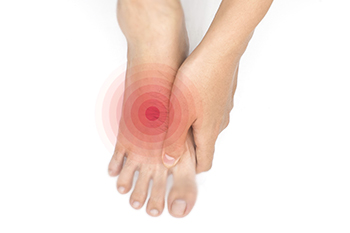
Foot problems do not always feel the same, even when they are serious. In people with poor circulation, extra pressure on the feet often causes pain. In those with diabetes and nerve damage, that same pressure may lead to open sores without any discomfort. This difference can delay care and allow wounds to worsen. Circulation issues usually begin in larger blood vessels higher in the leg, while diabetes-related changes often affect smaller vessels in the lower leg and foot. Diabetes can also cause stiffened vessels and tiny areas of low oxygen in the skin, further limiting healing. Because feeling is reduced, a lack of pain does not mean a lack of danger. Care must focus on relieving pressure and treating wounds early, while also checking blood flow. If you have diabetes and notice changes in your feet, it is suggested that you see a podiatrist for a thorough evaluation and appropriate care.
Peripheral artery disease can pose a serious risk to your health. It can increase the risk of stroke and heart attack. If you have symptoms of peripheral artery disease, consult with Brent Harwood, DPM from Southeast Podiatry. Our doctor will assess your condition and provide you with quality foot and ankle treatment.
Peripheral artery disease (PAD) is when arteries are constricted due to plaque (fatty deposits) build-up. This results in less blood flow to the legs and other extremities. The main cause of PAD is atherosclerosis, in which plaque builds up in the arteries.
Symptoms
Symptoms of PAD include:
It is important to note that a majority of individuals never show any symptoms of PAD.
Diagnosis
While PAD occurs in the legs and arteries, Podiatrists can diagnose PAD. Podiatrists utilize a test called an ankle-brachial index (ABI). An ABI test compares blood pressure in your arm to you ankle to see if any abnormality occurs. Ultrasound and imaging devices may also be used.
Treatment
Fortunately, lifestyle changes such as maintaining a healthy diet, exercising, managing cholesterol and blood sugar levels, and quitting smoking, can all treat PAD. Medications that prevent clots from occurring can be prescribed. Finally, in some cases, surgery may be recommended.
If you have any questions, please feel free to contact one of our offices located in Fairhope and Atmore, AL . We offer the newest diagnostic and treatment technologies for all your foot care needs.

Do you work on your feet all day and find your feet in pain? Don't go to work in pain each day. Your foot pain can be treated, and we can help.

Golf may look like a low impact sport, but the feet and ankles work hard throughout a round. Players often walk several miles on uneven terrain while repeatedly shifting weight during each shot. These combined demands can place stress on the joints, tendons, and ligaments of the lower extremities. Common injuries include ankle sprains, tendon inflammation, heel pain, and stress injuries in the midfoot. The twisting motion of the body during play can also aggravate existing conditions such as plantar fasciitis or arthritis. Wearing poor footwear with inadequate support may increase the strain on the feet during long rounds. Paying attention to early discomfort can help prevent a small problem from becoming a lasting injury. A podiatrist can evaluate foot mechanics and recommend treatment or supportive devices, when needed. If you develop persistent foot or ankle pain while playing golf, it is suggested that you see a podiatrist for a proper diagnosis and appropriate treatment.
Sports related foot and ankle injuries require proper treatment before players can go back to their regular routines. For more information, contact Brent Harwood, DPM of Southeast Podiatry. Our doctor can provide the care you need to keep you pain-free and on your feet.
Sports Related Foot and Ankle Injuries
Foot and ankle injuries are a common occurrence when it comes to athletes of any sport. While many athletes dismiss the initial aches and pains, the truth is that ignoring potential foot and ankle injuries can lead to serious problems. As athletes continue to place pressure and strain the area further, a mild injury can turn into something as serious as a rupture and may lead to a permanent disability. There are many factors that contribute to sports related foot and ankle injuries, which include failure to warm up properly, not providing support or wearing bad footwear. Common injuries and conditions athletes face, including:
Sports related injuries are commonly treated using the RICE method. This includes rest, applying ice to the injured area, compression and elevating the ankle. More serious sprains and injuries may require surgery, which could include arthroscopic and reconstructive surgery. Rehabilitation and therapy may also be required in order to get any recovering athlete to become fully functional again. Any unusual aches and pains an athlete sustains must be evaluated by a licensed, reputable medical professional.
If you have any questions please contact one of our offices located in Fairhope and Atmore, AL . We offer the newest diagnostic and treatment technologies for all your foot and ankle needs.

Ingrown toenails can be painful and can make wearing shoes or walking uncomfortable. Seek professional help if you believe you've developed an ingrown toenail and be treated safely.
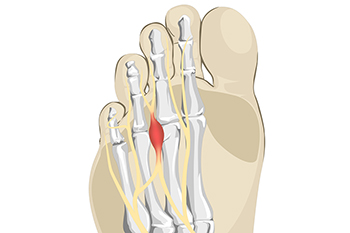
Morton neuroma is a nerve-related condition that causes burning pain, tingling, or numbness in the ball of the foot. It usually develops between the third and fourth toes when the nerve becomes irritated and thickened from repeated pressure. Wearing tight shoes, high heels, and high impact activities often worsen the problem. When shoe changes, padding, and activity modification do not bring relief, injection therapy may be considered. This treatment involves carefully placing medication around the affected nerve to reduce inflammation and calm nerve irritation. Corticosteroid injections are commonly used to decrease swelling and pressure in the surrounding tissues. Some patients also receive alcohol-based injections that help shrink the enlarged nerve over time. These treatments are performed in a clinical setting and are designed to relieve pain while improving walking comfort. When persistent forefoot pain suggests Morton neuroma, a consultation with a podiatrist is suggested to discuss diagnosis and appropriate treatment options.
Morton’s neuroma is a very uncomfortable condition to live with. If you think you have Morton’s neuroma, contact Brent Harwood, DPM of Southeast Podiatry. Our doctor will attend to all of your foot care needs and answer any of your related questions.
Morton’s Neuroma
Morton's neuroma is a painful foot condition that commonly affects the areas between the second and third or third and fourth toe, although other areas of the foot are also susceptible. Morton’s neuroma is caused by an inflamed nerve in the foot that is being squeezed and aggravated by surrounding bones.
What Increases the Chances of Having Morton’s Neuroma?
Morton’s neuroma is a very treatable condition. Orthotics and shoe inserts can often be used to alleviate the pain on the forefront of the feet. In more severe cases, corticosteroids can also be prescribed. In order to figure out the best treatment for your neuroma, it’s recommended to seek the care of a podiatrist who can diagnose your condition and provide different treatment options.
If you have any questions, please feel free to contact one of our offices located in Fairhope and Atmore, AL . We offer the newest diagnostic and treatment technologies for all your foot care needs.

Heel pain can negatively affect your day-to-day life. Simple activities like walking can become incredibly uncomfortable or painful due to heel pain.
Don’t live with heel pain and get treated.
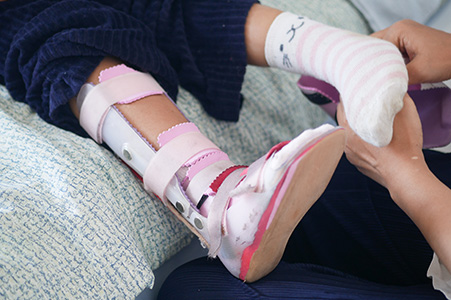
Braces are sometimes needed when a child has a foot or ankle condition that affects balance, walking, or the position of the toes. A brace can help guide the foot into a better alignment and support the ankle as the child grows. Some children who have flat feet, tight muscles, clubfoot, or ankle instability benefit from braces that connect to the shoe and keep the foot straight. Wearing a brace can feel unusual at first, and children need time to adapt, especially if they are used to softer shoes or flip-flops. A podiatrist can examine the feet, check for rubbing around the toes, and prescribe the appropriate brace so it fits correctly. A podiatrist can also monitor progress and decide how long the brace should be worn. If your child is suffering from a foot or ankle abnormality, it is suggested that you schedule an appointment with a podiatrist for a diagnosis and appropriate treatment.
The health of a child’s feet is vital to their overall well-being. If you have any questions regarding foot health, contact Brent Harwood, DPM of Southeast Podiatry. Our doctor can provide the care you need to keep you pain-free and on your feet.
Tips for Keeping Children's Feet Healthy
If you have any questions, please feel free to contact one of our offices located in Fairhope and Atmore, AL . We offer the newest diagnostic and treatment technologies for all your foot care needs.