







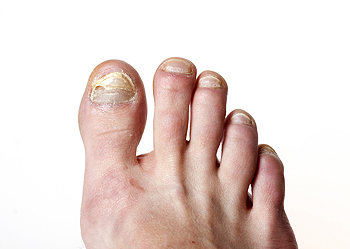
Onychomycosis, a fungal infection of the nail that leads to thickening, discoloration, and brittle changes, is being approached with greater accuracy and more individualized care. Evaluation often includes lab testing, such as nail sampling with a microscopic evaluation or culture to confirm fungus before care begins, helping to avoid unnecessary or ineffective medications. Care options have also expanded beyond standard oral medications. Newer topical treatments are designed to better reach the nail bed, improving results for some patients. In certain cases, combining methods may offer better outcomes and lower the chance of recurrence. Daily foot care, keeping nails trimmed, and choosing breathable footwear all support long-term nail health. When nail changes persist or worsen despite home care, it is suggested that you see a podiatrist who can guide you toward the most appropriate next steps.
For more information about treatment, contact Brent Harwood, DPM of Southeast Podiatry. Our doctor can provide the care you need to keep you pain-free and on your feet.
Toenail Fungus Treatment
Toenail fungus is a condition that affects many people and can be especially hard to get rid of. Fortunately, there are several methods to go about treating and avoiding it.
Antifungals & Deterrence
Oral antifungal medicine has been shown to be effective in many cases. It is important to consult with a podiatrist to determine the proper regiment for you, or potentially explore other options.
Applying foot powder on the feet and shoes helps keep the feet free of moisture and sweat.
Sandals or open toed shoes – Wearing these will allow air movement and help keep feet dry. They also expose your feet to light, which fungus cannot tolerate. Socks with moisture wicking material also help as well.
If you have any questions please contact one of our offices located in Fairhope and Atmore, AL . We offer the newest diagnostic and treatment technologies for all your foot and ankle needs.