Fairhope and Atmore
Phone (251) 928-6768




You don't need an excuse to have beautiful nails. Step outside without worrying about the appearance of your feet.

Hammertoe is a foot deformity where one or more toes bend abnormally at the middle joint, causing them to resemble a hammer. It can develop from wearing tight or ill-fitting shoes, muscle imbalance, arthritis, or injury. Symptoms include pain when wearing shoes, swelling, or corns or calluses on the affected toe. The toe may feel stiff or rigid, making it difficult to straighten or move comfortably. Hammertoe can start as a mild problem but may become more painful and limit movement over time. A podiatrist can diagnose hammertoe through a physical examination and imaging if necessary. Treatment options include wearing roomier shoes, using custom orthotics, targeted exercises, and toe splints. In more severe cases, minor surgery may be recommended to realign the toe. If you have a troublesome hammertoe, it is suggested that you make an appointment with a podiatrist to discuss the best treatment plan for your specific needs.
Hammertoe
Hammertoes can be a painful condition to live with. For more information, contact Brent Harwood, DPM from Southeast Podiatry. Our doctor will answer any of your foot- and ankle-related questions.
Hammertoe is a foot deformity that affects the joints of the second, third, fourth, or fifth toes of your feet. It is a painful foot condition in which these toes curl and arch up, which can often lead to pain when wearing footwear.
Symptoms
Causes
Genetics – People who are genetically predisposed to hammertoe are often more susceptible
Arthritis – Because arthritis affects the joints in your toes, further deformities stemming from arthritis can occur
Trauma – Direct trauma to the toes could potentially lead to hammertoe
Ill-fitting shoes – Undue pressure on the front of the toes from ill-fitting shoes can potentially lead to the development of hammertoe
Treatment
Orthotics – Custom made inserts can be used to help relieve pressure placed on the toes and therefore relieve some of the pain associated with it
Medications – Oral medications such as anti-inflammatories or NSAIDs could be used to treat the pain and inflammation hammertoes causes. Injections of corticosteroids are also sometimes used
Surgery – In more severe cases where the hammertoes have become more rigid, foot surgery is a potential option
If you have any questions, please feel free to contact one of our offices located in Fairhope and Atmore, AL . We offer the newest diagnostic and treatment technologies for all your foot care needs.

Have your child's feet been examined lately? Healthy feet are happy feet. If your child is complaining of foot pain, it may be a sign of underlying problems.
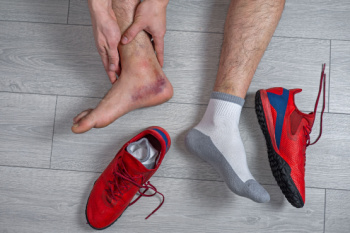
The accessory soleus muscle, or ASM, is a rare muscle condition that can cause pain and numbness on the inner side of the ankle, similar to tarsal tunnel syndrome. ASM usually starts from the fibula or soleus muscle and connects to the Achilles tendon or heel bone. It often appears as a small lump or swelling along the inner back of the ankle. An MRI scan is typically used to confirm its presence. Most cases are mild and can be managed by simply observing the symptoms. However, if the pain becomes severe or impacts daily activities, surgery to remove the extra muscle may be considered. If you have this type of muscle pain, it is strongly suggested that you visit a podiatrist for a proper diagnosis and treatment that is right for you.
Achilles tendon injuries need immediate attention to avoid future complications. If you have any concerns, contact Brent Harwood, DPM of Southeast Podiatry. Our doctor can provide the care you need to keep you pain-free and on your feet.
What Is the Achilles Tendon?
The Achilles tendon is a tendon that connects the lower leg muscles and calf to the heel of the foot. It is the strongest tendon in the human body and is essential for making movement possible. Because this tendon is such an integral part of the body, any injuries to it can create immense difficulties and should immediately be presented to a doctor.
What Are the Symptoms of an Achilles Tendon Injury?
There are various types of injuries that can affect the Achilles tendon. The two most common injuries are Achilles tendinitis and ruptures of the tendon.
Achilles Tendinitis Symptoms
Rupture Symptoms
Treatment and Prevention
Achilles tendon injuries are diagnosed by a thorough physical evaluation, which can include an MRI. Treatment involves rest, physical therapy, and in some cases, surgery. However, various preventative measures can be taken to avoid these injuries, such as:
If you have any questions please feel free to contact one of our offices located in Fairhope and Atmore, AL . We offer the newest diagnostic tools and technology to treat your foot and ankle needs.

Suffering from this type of pain? You may have the foot condition known as Morton's neuroma. Morton's neuroma may develop as a result of ill-fitting footwear and existing foot deformities. We can help.

Toe pain can develop for many reasons, and identifying the cause is key to proper treatment. An ingrown toenail occurs when the nail grows into the surrounding skin, causing redness, swelling, and sharp pain. A bunion forms when the big toe joint becomes misaligned, creating a visible bump and soreness that worsens with tight shoes. A broken toe may result from trauma and often appears bruised, swollen, and tender to the touch. Gout is a type of arthritis caused by uric acid buildup, leading to sudden, intense pain, redness, and warmth in the joint, often at night. Each condition may look and feel different, but all can interfere with walking and daily activities. A podiatrist can diagnose the exact cause through examination, imaging, and testing, then provide treatments such as nail care, custom orthotics, medication, or immobilization. It is suggested that you make an appointment with a podiatrist to find lasting relief from toe pain.
Toe pain can disrupt your daily activities. If you have any concerns, contact Brent Harwood, DPM of Southeast Podiatry. Our doctor can provide the care you need to keep you pain-free and on your feet.
What Causes Toe Pain?
Most severe toe pain is caused due to a sports injury, trauma from dropping something heavy on the toe, or bumping into something rigid. Other problems can develop over time for various reasons.
Toe pain can be caused by one or more ailments. The most common include:
When to See a Podiatrist
Diagnosis
In many cases the cause of toe pain is obvious, but in others, a podiatrist may want to use more advanced methods to determine the problem. These can range from simple visual inspections and sensation tests to X-rays and MRI scans. Prior medical history, family medical history, and any recent physical traumatic events will all be taken into consideration for a proper diagnosis.
Treatment
Treatments for toe pain and injuries vary and may include shoe inserts, padding, taping, medicines, injections, and in some cases, surgery. If you believe that you have broken a toe, please see a podiatrist as soon as possible.
If you have any questions please contact one of our offices located in Fairhope and Atmore, AL . We offer the newest diagnostic and treatment technologies for all your foot and ankle needs.

If left untreated, an ingrown toenail can lead to more serious concerns, such as an infection. Knowing proper nail care can help in the prevention of an ingrown toenail. Give us a call, and get treated!
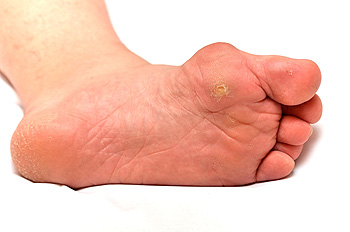
Corns are a common foot problem that develop from repeated pressure or friction, often caused by ill-fitting shoes or abnormal walking patterns. They usually appear as small, thickened areas of skin that may be hard and dry or soft and rubbery, often forming on the tops and sides of toes or between them. Corns can feel tender or painful when pressed, making walking uncomfortable. The surrounding skin may appear inflamed, and the center can look yellow or translucent. A podiatrist can help by accurately diagnosing the type of corn and identifying any underlying causes, such as foot deformities or gait issues. Treatment options include professional removal of thickened skin, advice on proper footwear, prescribing custom orthotic inserts to redistribute pressure, and guidance on foot care to prevent recurrence. It is suggested that you make an appointment with a podiatrist if you experience discomfort or notice changes in your feet.
Corns can make walking very painful and should be treated immediately. If you have questions regarding your feet and ankles, contact Brent Harwood, DPM of Southeast Podiatry. Our doctor will treat your foot and ankle needs.
Corns: What Are They? And How Do You Get Rid of Them?
Corns are thickened areas on the skin that can become painful. They are caused by excessive pressure and friction on the skin. Corns press into the deeper layers of the skin and are usually round in shape.
Ways to Prevent Corns
There are many ways to get rid of painful corns such as:
Treating Corns
Although most corns slowly disappear when the friction or pressure stops, this isn’t always the case. Consult with your podiatrist to determine the best treatment option for your case of corns.
If you have any questions, please feel free to contact one of our offices located in Fairhope and Atmore, AL . We offer the newest diagnostic and treatment technologies for all your foot care needs.

Have you noticed a bony protrusion on the side of your big toe? If so, you may have developed the foot condition known as a bunion. Don't let bunions interfere with your daily activities.
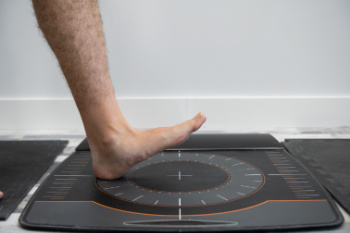
The foot and ankle contain a complex network of bones, joints, muscles, and ligaments that work together to support movement and balance. Each step begins with the heel striking the ground, followed by a smooth transition through the midfoot and a push-off from the toes. The ankle acts as a hinge, allowing the foot to move up and down, while the arch absorbs shock and adapts to different surfaces. Proper alignment and flexibility are key to efficient motion and injury prevention. When any part of this system is out of balance, pain or instability may develop, affecting the entire body’s mechanics. If you notice discomfort, changes in your gait, or recurring ankle or foot pain, it is suggested that you consult a podiatrist to ensure your biomechanics are functioning correctly and to maintain healthy, pain-free movement.
If you have any concerns about your feet, contact Brent Harwood, DPM from Southeast Podiatry. Our doctor can provide the care you need to keep you pain-free and on your feet.
Biomechanics in Podiatry
Podiatric biomechanics is a particular sector of specialty podiatry with licensed practitioners who are trained to diagnose and treat conditions affecting the foot, ankle and lower leg. Biomechanics deals with the forces that act against the body, causing an interference with the biological structures. It focuses on the movement of the ankle, the foot and the forces that interact with them.
A History of Biomechanics
Modern technological improvements are based on past theories and therapeutic processes that provide a better understanding of podiatric concepts for biomechanics. Computers can provide accurate information about the forces and patterns of the feet and lower legs.
Understanding biomechanics of the feet can help improve and eliminate pain, stopping further stress to the foot.
If you have any questions please feel free to contact one of our offices located in Fairhope and Atmore, AL . We offer the newest diagnostic and treatment technologies for all your foot and ankle needs.

Gout is a painful, inflammatory form of arthritis. Those affected will typically feel an intense stiffness in the joints of their feet, particularly in the big toe. Schedule a visit to learn about how gout can be managed and treated.

Toenail fungus, also known as onychomycosis, is a common infection that affects the nail bed and causes discoloration, thickening, and brittleness of the nails. It is often caused by fungi that thrive in warm, moist environments, such as sweaty shoes or locker rooms. Risk factors include poor foot hygiene, reduced circulation, diabetes, and tight footwear. Symptoms include yellow or white spots, crumbling nail edges, and a foul odor. A podiatrist can diagnose the infection, recommend anti-fungal treatments, and provide nail care to restore healthy nails. If you notice changes in your toenails, it is suggested that you consult a podiatrist who can offer effective treatment solutions, which may include prescribed medication.
For more information about treatment, contact Brent Harwood, DPM of Southeast Podiatry. Our doctor can provide the care you need to keep you pain-free and on your feet.
Toenail Fungus Treatment
Toenail fungus is a condition that affects many people and can be especially hard to get rid of. Fortunately, there are several methods to go about treating and avoiding it.
Antifungals & Deterrence
Oral antifungal medicine has been shown to be effective in many cases. It is important to consult with a podiatrist to determine the proper regiment for you, or potentially explore other options.
Applying foot powder on the feet and shoes helps keep the feet free of moisture and sweat.
Sandals or open toed shoes – Wearing these will allow air movement and help keep feet dry. They also expose your feet to light, which fungus cannot tolerate. Socks with moisture wicking material also help as well.
If you have any questions please contact one of our offices located in Fairhope and Atmore, AL . We offer the newest diagnostic and treatment technologies for all your foot and ankle needs.

Plantar warts are small growths that develop on parts of the feet that bear weight. They're typically found on the bottom of the foot. Don't live with plantar warts, and call us today!

Keeping your ankles flexible and strong can prevent injuries and ease discomfort. Common stretches include ankle circles, which involve rotating the ankle slowly in both directions to increase mobility. The Achilles stretch is performed by leaning forward against a wall with one leg extended behind to stretch the tendon. Additionally, the towel stretch is done by sitting with your leg straight, looping a towel around your foot, and gently pulling toward you to lengthen the calf. The band stretch uses a resistance band to improve ankle strength and flexibility. A podiatrist can recommend the right stretches for your ankle condition, and guide you through safe techniques. If you have ankle pain, it is suggested that you schedule an appointment with a podiatrist who can offer effective relief solutions.
Stretching the feet is a great way to prevent injuries. If you have any concerns with your feet consult with Brent Harwood, DPM from Southeast Podiatry. Our doctor will assess your condition and provide you with quality foot and ankle treatment.
Stretching the Feet
Being the backbone of the body, the feet carry your entire weight and can easily become overexerted, causing cramps and pain. As with any body part, stretching your feet can serve many benefits. From increasing flexibility to even providing some pain relief, be sure to give your feet a stretch from time to time. This is especially important for athletes or anyone performing aerobic exercises, but anyone experiencing foot pain or is on their feet constantly should also engage in this practice.
Great ways to stretch your feet:
Individuals who tend to their feet by regular stretching every day should be able to minimize foot pain and prevent new problems from arising.
If you have any questions please contact one of our offices located in Fairhope and Atmore, AL . We offer the newest diagnostic and treatment technologies for all your foot and ankle needs.