Fairhope and Atmore
Phone (251) 928-6768




Have your child's feet been examined lately? Healthy feet are happy feet. If your child is complaining of foot pain, it may be a sign of underlying problems.

Foot arthritis occurs when the cartilage in the joints wears down, leading to pain, stiffness, and swelling. Causes include the natural aging process, repetitive overuse of the feet, and genetic factors that make some individuals more prone to joint problems. Symptoms often include aching, reduced range of motion, and difficulty walking or standing for long periods. A podiatrist can diagnose foot arthritis through a physical exam and imaging, then recommend treatments such as custom orthotics, supportive footwear, exercises, and in some cases, surgery. If you experience persistent foot pain or stiffness, it is suggested that you consult a podiatrist who can offer effective relief tips.
Arthritis can be a difficult condition to live with. If you are seeking treatment, contact Brent Harwood, DPM from Southeast Podiatry. Our doctor can provide the care you need to keep you pain-free and on your feet.
Arthritic Foot Care
Arthritis is a term that is commonly used to describe joint pain. The condition itself can occur to anyone of any age, race, or gender, and there are over 100 types of it. Nevertheless, arthritis is more commonly found in women compared to men, and it is also more prevalent in those who are overweight. The causes of arthritis vary depending on which type of arthritis you have. Osteoarthritis for example, is often caused by injury, while rheumatoid arthritis is caused by a misdirected immune system.
Symptoms
Arthritic symptoms range in severity, and they may come and go. Some symptoms stay the same for several years but could potentially get worse with time. Severe cases of arthritis can prevent its sufferers from performing daily activities and make walking difficult.
Risk Factors
If you suspect your arthritis is affecting your feet, it is crucial that you see a podiatrist immediately. Your doctor will be able to address your specific case and help you decide which treatment method is best for you.
If you have any questions please feel free to contact one of our offices located in Fairhope and Atmore, AL . We offer the newest diagnostic tools and technology to treat your foot and ankle needs.

Suffering from this type of pain? You may have the foot condition known as Morton's neuroma. Morton's neuroma may develop as a result of ill-fitting footwear and existing foot deformities. We can help.
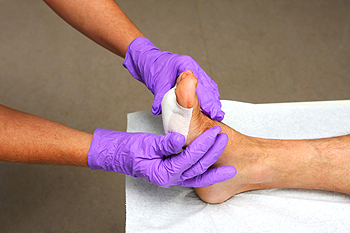
Negative pressure wound therapy is a treatment option that can help promote healing for wounds that do not respond well to standard care, particularly those on the feet and ankles. This therapy involves sealing the wound with a special dressing made from sponge material or gauze, connected to a pump that removes fluids from the wound. This reduction in pressure encourages blood flow to the area and helps keep the wound moist, which can improve healing. It is commonly used for chronic wounds that have failed to heal after several weeks. Negative pressure wound therapy is particularly effective for large or infected wounds that cannot be closed directly. While studies suggest that this treatment may improve healing times, results can vary depending on the type and severity of the wound. If you have foot wounds that will not heal properly, it is suggested that you schedule an appointment with a podiatrist to see if negative pressure therapy is right for you.
Wound care is an important part in dealing with diabetes. If you have diabetes and a foot wound or would like more information about wound care for diabetics, consult with Brent Harwood, DPM from Southeast Podiatry. Our doctor will assess your condition and provide you with quality foot and ankle treatment.
What Is Wound Care?
Wound care is the practice of taking proper care of a wound. This can range from the smallest to the largest of wounds. While everyone can benefit from proper wound care, it is much more important for diabetics. Diabetics often suffer from poor blood circulation which causes wounds to heal much slower than they would in a non-diabetic.
What Is the Importance of Wound Care?
While it may not seem apparent with small ulcers on the foot, for diabetics, any size ulcer can become infected. Diabetics often also suffer from neuropathy, or nerve loss. This means they might not even feel when they have an ulcer on their foot. If the wound becomes severely infected, amputation may be necessary. Therefore, it is of the upmost importance to properly care for any and all foot wounds.
How to Care for Wounds
The best way to care for foot wounds is to prevent them. For diabetics, this means daily inspections of the feet for any signs of abnormalities or ulcers. It is also recommended to see a podiatrist several times a year for a foot inspection. If you do have an ulcer, run the wound under water to clear dirt from the wound; then apply antibiotic ointment to the wound and cover with a bandage. Bandages should be changed daily and keeping pressure off the wound is smart. It is advised to see a podiatrist, who can keep an eye on it.
If you have any questions please contact one of our offices located in Fairhope and Atmore, AL . We offer the newest diagnostic and treatment technologies for all your foot and ankle needs.

If left untreated, an ingrown toenail can lead to more serious concerns, such as an infection. Knowing proper nail care can help in the prevention of an ingrown toenail. Give us a call, and get treated!
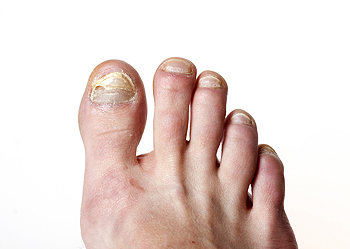
Toenail fungus, also known as onychomycosis, is an infection that affects the nail bed and causes the nail to become thickened, discolored, brittle, and sometimes painful. It develops when fungi enter the nail through small cracks or separations, often thriving in warm and moist environments like shoes and public locker rooms. Common causes include prolonged exposure to damp conditions, poor foot hygiene, and a weakened immune system. A podiatrist can diagnose the infection, provide treatments such as topical or oral medications, perform nail debridement, and offer preventive care to stop the recurrence of toenail fungus. If you have symptoms of toenail fungus, it is suggested that you schedule an appointment with a podiatrist who can offer appropriate treatment solutions.
If left untreated, toenail fungus may spread to other toenails, skin, or even fingernails. If you suspect you have toenail fungus it is important to seek treatment right away. For more information about treatment, contact Brent Harwood, DPM of Southeast Podiatry. Our doctor can provide the care you need to keep you pain-free and on your feet.
Symptoms
Treatment
If self-care strategies and over-the-counter medications does not help your fungus, your podiatrist may give you a prescription drug instead. Even if you find relief from your toenail fungus symptoms, you may experience a repeat infection in the future.
Prevention
In order to prevent getting toenail fungus in the future, you should always make sure to wash your feet with soap and water. After washing, it is important to dry your feet thoroughly especially in between the toes. When trimming your toenails, be sure to trim straight across instead of in a rounded shape. It is crucial not to cover up discolored nails with nail polish because that will prevent your nail from being able to “breathe”.
In some cases, surgical procedure may be needed to remove the toenail fungus. Consult with your podiatrist about the best treatment options for your case of toenail fungus.
If you have any questions, please feel free to contact one of our offices located in Fairhope and Atmore, AL . We offer the newest diagnostic and treatment technologies for all your foot care needs.
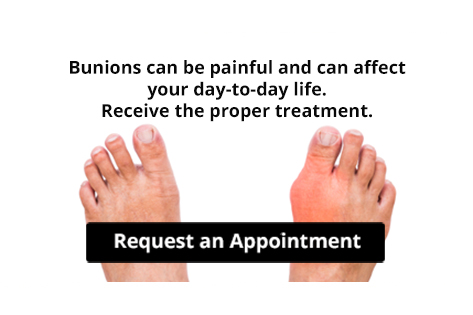
Have you noticed a bony protrusion on the side of your big toe? If so, you may have developed the foot condition known as a bunion. Don't let bunions interfere with your daily activities.

Foot pain can stem from a variety of conditions that affect mobility and quality of life. Corns are thickened skin from pressure or friction, often caused by wearing ill-fitting shoes. Plantar fasciitis results from inflammation of the tissue along the foot arch, leading to heel pain. Achilles tendon injuries are common in active individuals and may develop from overuse or tight calf muscles. Gout is a form of arthritis that causes sudden, intense pain due to uric acid buildup. A podiatrist can diagnose these conditions, offer targeted treatments, and provide guidance on footwear and prevention. If you are struggling with persistent foot pain, it is suggested that you promptly consult a podiatrist who can diagnose and treat various foot conditions.
Foot Pain
Foot pain can be extremely painful and debilitating. If you have a foot pain, consult with Brent Harwood, DPM from Southeast Podiatry. Our doctor will assess your condition and provide you with quality foot and ankle treatment.
Causes
Foot pain is a very broad condition that could be caused by one or more ailments. The most common include:
Diagnosis
To figure out the cause of foot pain, podiatrists utilize several different methods. This can range from simple visual inspections and sensation tests to X-rays and MRI scans. Prior medical history, family medical history, and any recent physical traumatic events will all be taken into consideration for a proper diagnosis.
Treatment
Treatment depends upon the cause of the foot pain. Whether it is resting, staying off the foot, or having surgery; podiatrists have a number of treatment options available for foot pain.
If you have any questions, please feel free to contact one of our offices located in Fairhope and Atmore, AL . We offer the newest diagnostic and treatment technologies for all your foot care needs.

Gout is a painful, inflammatory form of arthritis. Those affected will typically feel an intense stiffness in the joints of their feet, particularly in the big toe. Schedule a visit to learn about how gout can be managed and treated.

Foot pain is a common problem for many pregnant women as the body changes to support extra weight. Added pressure, hormonal shifts, and swelling often contribute to sore, tired feet. Choosing shoes that provide strong arch support and cushioning can help reduce strain. Avoid wearing high heels or completely flat shoes, as they can worsen discomfort. Elevating your feet whenever possible helps control swelling and encourages better blood flow. Gentle stretching or simple foot exercises may ease tension. Compression socks may reduce swelling, especially if you spend much of your day standing. If foot pain is interfering with your comfort or daily activities during pregnancy, it is suggested you schedule a visit with a podiatrist for additional guidance on relieving discomfort and protecting your foot health.
Pregnant women with swollen feet can be treated with a variety of different methods that are readily available. For more information about other cures for swollen feet during pregnancy, consult with Brent Harwood, DPM from Southeast Podiatry. Our doctor will attend to all of your foot and ankle needs.
What Foot Problems Can Arise During Pregnancy?
One problem that can occur is overpronation, which occurs when the arch of the foot flattens and tends to roll inward. This can cause pain and discomfort in your heels while you’re walking or even just standing up, trying to support your baby.
Another problem is edema, or swelling in the extremities. This often affects the feet during pregnancy but tends to occur in the later stages.
How Can I Keep My Feet Healthy During Pregnancy?
If you have any questions please feel free to contact one of our offices located in Fairhope and Atmore, AL . We offer the newest diagnostic and treatment technologies for all your foot and ankle needs.

Plantar warts are small growths that develop on parts of the feet that bear weight. They're typically found on the bottom of the foot. Don't live with plantar warts, and call us today!

Painful deformities, such as hammertoes, can be treated. Stop living with foot pain, and have beautiful feet again!

Plantar fasciitis, also known as heel spur syndrome, is a common cause of heel pain. It occurs when the thick band of tissue along the bottom of the foot becomes inflamed, often where it connects to the heel bone. Signs include sharp pain when taking the first steps in the morning or after long periods of rest. Causes include overuse, wearing poor footwear, or standing for long hours. Risk factors include flat feet, high arches, and obesity. A podiatrist can diagnose the condition and provide treatments such as stretching plans or custom orthotics. If you have consistent heel pain, it is suggested that you visit a who can provide appropriate relief and treatment solutions.
Plantar fasciitis can be very painful and inconvenient. If you are experiencing heel pain or symptoms of plantar fasciitis, contact Brent Harwood, DPM from Southeast Podiatry. Our doctor can provide the care you need to keep you pain-free and on your feet.
What Is Plantar Fasciitis?
Plantar fasciitis is the inflammation of the thick band of tissue that runs along the bottom of your foot, known as the plantar fascia, and causes mild to severe heel pain.
What Causes Plantar Fasciitis?
How Can It Be Treated?
While very treatable, plantar fasciitis is definitely not something that should be ignored. Especially in severe cases, speaking to your doctor right away is highly recommended to avoid complications and severe heel pain. Your podiatrist can work with you to provide the appropriate treatment options tailored to your condition.
If you have any questions please feel free to contact one of our offices located in Fairhope and Atmore, AL . We offer the newest diagnostic and treatment technologies for all your foot and ankle needs.

Neuropathy is a condition that can lead to numbness or loss of sensation in the feet, but it can also cause pain. This condition is more likely to develop for those who are diabetic, obese, or with high blood pressure.