Blog

What Is Raynaud's Disease?

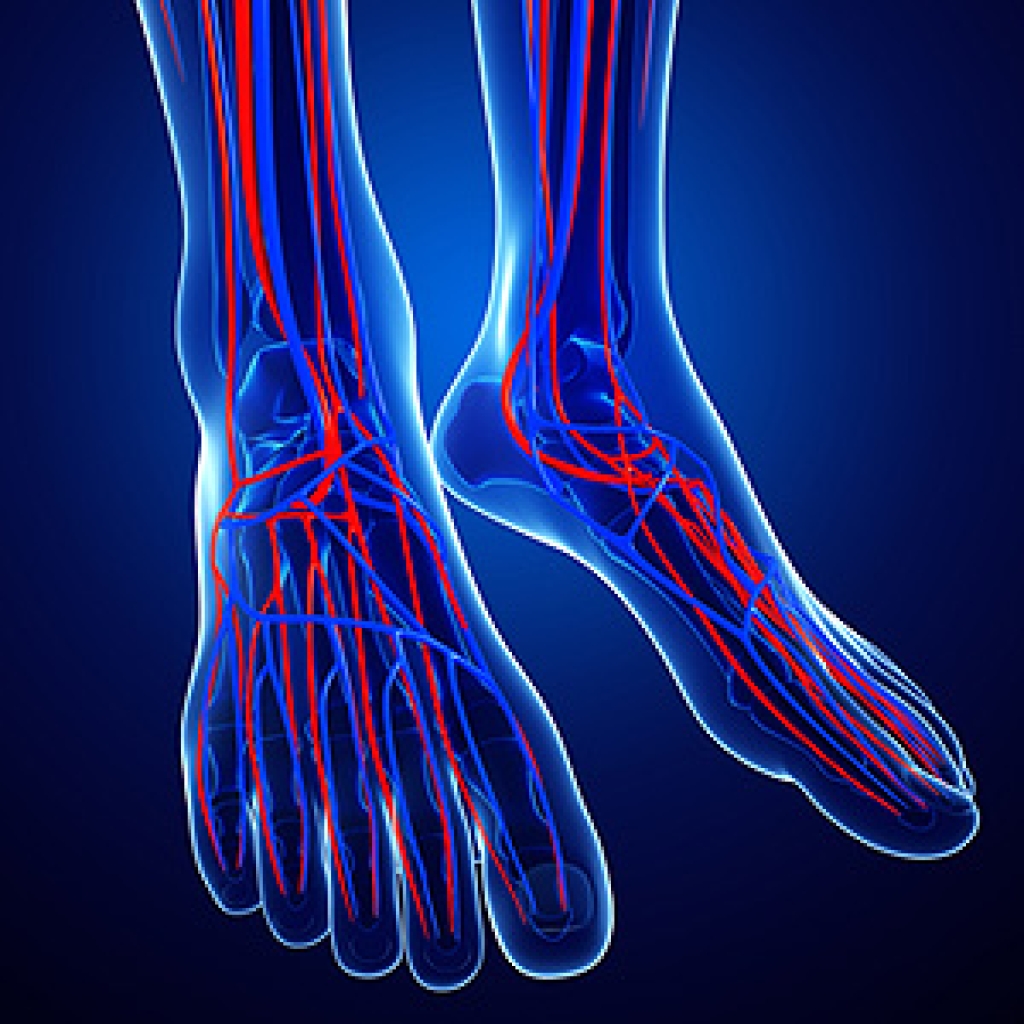
Raynaud’s disease is a disorder that causes temporarily reduced blood flow to the hands and feet. The reduction in blood flow is due to a contraction of the smooth muscles controlling the small arteries that supply blood to the hands and feet. This contraction is also known as a vasospasm. In people with Raynaud’s disease, vasospasms may be triggered by stress or cold temperatures. These can lead to the affected areas becoming numb, cool to the touch, and white or bluish in color. When blood flow returns to normal, the affected areas may throb, tingle, or turn red. If you have symptoms of Raynaud’s disease in your feet, a podiatrist can teach you how to manage this condition.

When dealing with systemic disease of the feet, it is extremely important to check the affected areas routinely so that any additional problems are caught quickly.  If you have any concerns about your feet and ankles contact Brent Harwood, DPM from Southeast Podiatry. Our doctor will assist you with all of your podiatric needs.

Systemic Diseases of the Feet

Systemic diseases affect the whole body, and symptoms usually are displayed in the feet. This condition can make a patient’s ability to walk unbearable.  Systemic diseases include gout, diabetes mellitus, neurological disorders, and arthritis.

Gout – is caused by an excess of uric acid in the body. Common symptoms include pain, inflammation, and redness at the metatarsal/phalangeal joint of the base big toe. Gout can be treated by NSAIDs to relieve pain and inflammation, and other drugs that lower the acid levels in the body.

Diabetes mellitus – is an increase in the level of blood sugar that the body cannot counteract with its own insulin. Failure to produce enough insulin is a factor in Diabetes.

Diabetes of the Feet

Diabetic Neuropathy – may lead to damaged nerves and affect the feet through numbness and loss of sensation.

Peripheral Vascular Disease – can restrict the blood flow to the feet, and often times lead to amputation of the feet. 

If you have any questions please contact one of our offices located in Fairhope and Atmore, AL . We offer the newest diagnostic and treatment technologies for all your foot and ankle needs.

Read more about Systemic Diseases of the Foot

Heel Pain Can Be Treated!

Do you suffer from heel pain when you get up in the morning? If so, you should seek professional help and have a proper diagnosis performed. Heel pain can be caused by several different foot-related conditions.

Treatment Options for Sesamoiditis

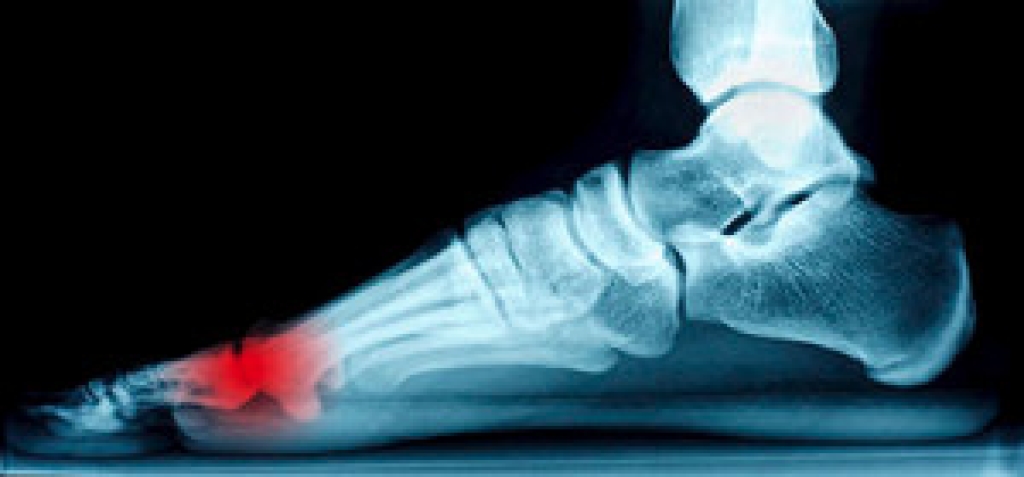
The sesamoid bones are located beneath the metatarsal bone under the big toe. Pain in the sesamoid bones is known as sesamoiditis. While it can be caused by metatarsalgia, other signs of sesamoiditis includes inflammation, causing warmth and swelling or an occasional redness. Symptoms may worsen when wearing thin soled or high heeled shoes. One of the most common methods to treat sesamoiditis is wearing a shoe with a thick sole. However, if pain persists, visiting a podiatrist is suggested. A podiatrist will be able to prescribe orthotics and pain medications if necessary. A podiatrist will also check for fractures to the bones, and determine if surgery is necessary.

Sesamoiditis is an unpleasant foot condition characterized by pain in the balls of the feet. If you think you’re struggling with sesamoiditis, contact Brent Harwood, DPM of Southeast Podiatry. Our doctor will treat your condition thoroughly and effectively.

Sesamoiditis

Sesamoiditis is a condition of the foot that affects the ball of the foot. It is more common in younger people than it is in older people. It can also occur with people who have begun a new exercise program, since their bodies are adjusting to the new physical regimen. Pain may also be caused by the inflammation of tendons surrounding the bones. It is important to seek treatment in its early stages because if you ignore the pain, this condition can lead to more serious problems such as severe irritation and bone fractures.

Causes of Sesamoiditis

  • Sudden increase in activity
  • Increase in physically strenuous movement without a proper warm up or build up
  • Foot structure: those who have smaller, bonier feet or those with a high arch may be more susceptible

Treatment for sesamoiditis is non-invasive and simple. Doctors may recommend a strict rest period where the patient forgoes most physical activity. This will help give the patient time to heal their feet through limited activity. For serious cases, it is best to speak with your doctor to determine a treatment option that will help your specific needs.

If you have any questions, please feel free to contact one of our offices located in Fairhope and Atmore, AL . We offer the newest diagnostic and treatment technologies for all your foot care needs.

Read more about Sesamoiditis

It's Time for Beautiful Feet

You don't need an excuse to have beautiful nails. Step outside without worrying about the appearance of your feet.

Athletes and Flat Feet

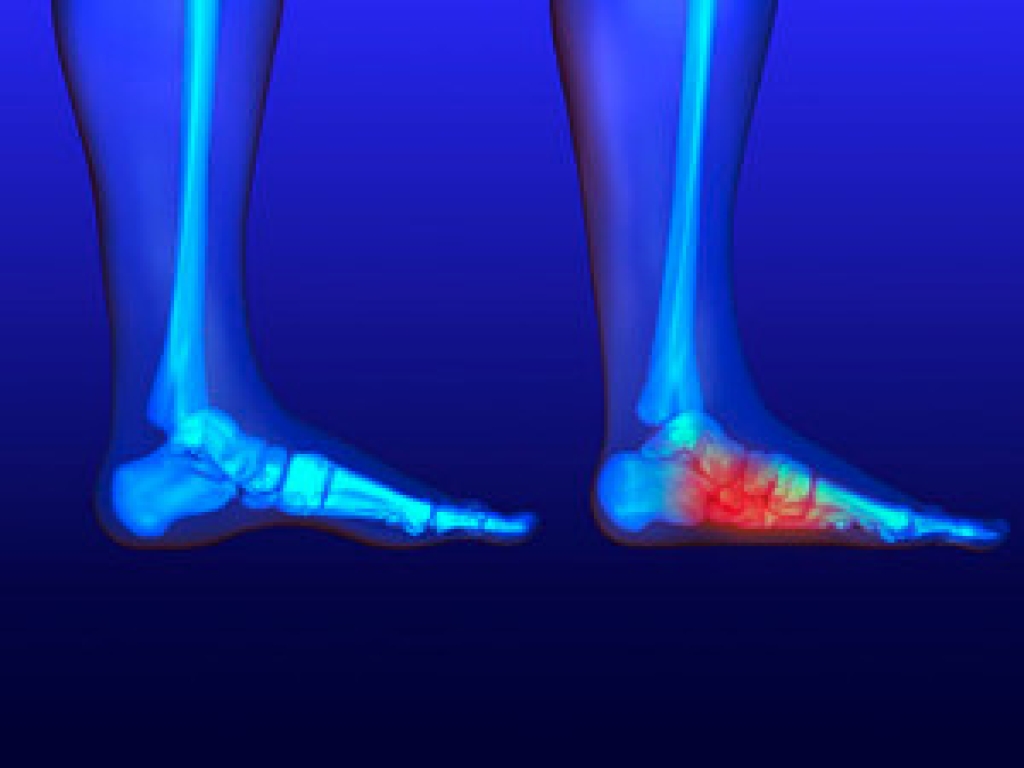
The medical condition that is known as flat feet is noticeable while standing on the floor, and is generally caused by genetic factors. Some people can live with flat feet and have no issues or pain arise, but many athletes affected by this ailment can result in serious injury if not prepared for. The arch acts similar to shock absorbers, and can help in pushing off when walking and running. Patients who are afflicted with flat feet may feel pain and discomfort while participating in sporting activities, which may be caused by loose tendons. Additionally, these patients may have difficulty standing for extended periods of time, and may experience pain in other areas of the body, including the feet, knees, hips, and lower back. If you have flat feet, please consult with a podiatrist who can determine the right treatment for you.

Flatfoot is a condition many people suffer from. If you have flat feet, contact Brent Harwood, DPM from Southeast Podiatry. Our doctor will treat your foot and ankle needs.

What Are Flat Feet?

Flatfoot is a condition in which the arch of the foot is depressed and the sole of the foot is almost completely in contact with the ground. About 20-30% of the population generally has flat feet because their arches never formed during growth.

Conditions & Problems:

Having flat feet makes it difficult to run or walk because of the stress placed on the ankles.

Alignment – The general alignment of your legs can be disrupted, because the ankles move inward which can cause major discomfort.

Knees – If you have complications with your knees, flat feet can be a contributor to arthritis in that area.  

Symptoms

  • Pain around the heel or arch area
  • Trouble standing on the tip toe
  • Swelling around the inside of the ankle
  • Flat look to one or both feet
  • Having your shoes feel uneven when worn

Treatment

If you are experiencing pain and stress on the foot you may weaken the posterior tibial tendon, which runs around the inside of the ankle. 

If you have any questions, please feel free to contact one of our offices located in Fairhope and Atmore, AL . We offer the newest diagnostic and treatment technologies for all your foot care needs.

Read more about Flat Feet