




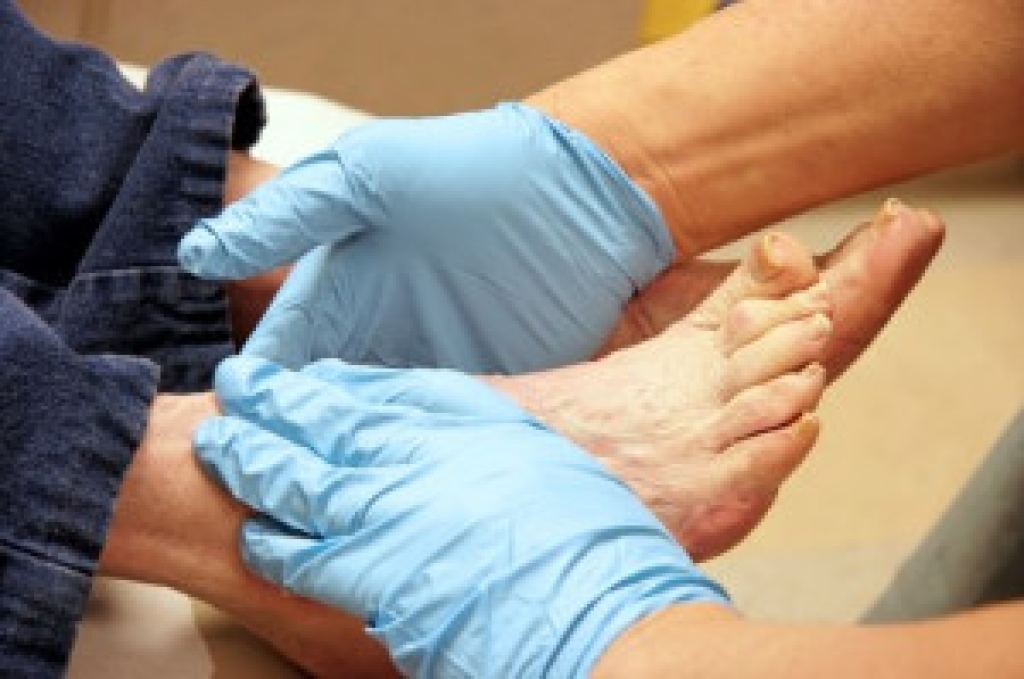
 A common ailment that many diabetics have are foot problems; managing blood glucose levels, however, may help to keep the feet healthy. When nerve damage occurs in diabetics, it may cause pain and tingling, including possible numbness in the foot. Serious infections may be the result of this and can possibly lead to gangrene. It’s important to manage your diabetes; this may involve following a foot care plan. It’s crucial to check your feet daily, which will enable you to notice problems before they get worse. Some conditions to look for may be cuts, sores, or ingrown toenails. Washing your feet regularly will help you become aware of these issues. Trimming the toenails straight across the toe with clippers can help prevent the skin from being cut and can keep the toenails healthy. Consult with a podiatrist for a proper diagnosis and to learn of the treatment options available for diabetic feet.
Diabetic foot care is important in preventing foot ailments such as ulcers. If you are suffering from diabetes or have any other concerns about your feet, contact Brent Harwood, DPM from Southeast Podiatry. Our doctor can provide the care you need to keep you pain-free and on your feet.
Diabetic Foot Care
Diabetes affects millions of people every year. The condition can damage blood vessels in many parts of the body, especially the feet. Because of this, taking care of your feet is essential if you have diabetes, and having a podiatrist help monitor your foot health is highly recommended.
The Importance of Caring for Your Feet
Patients with diabetes should have their doctor monitor their blood levels, as blood sugar levels play such a huge role in diabetic care. Monitoring these levels on a regular basis is highly advised.
It is always best to inform your healthcare professional of any concerns you may have regarding your feet, especially for diabetic patients. Early treatment and routine foot examinations are keys to maintaining proper health, especially because severe complications can arise if proper treatment is not applied.
If you have any questions, please feel free to contact one of our offices located in Fairhope and Atmore, AL . We offer the newest diagnostic and treatment technologies for all your foot care needs.

Your feet are covered most of the day. If you're diabetic, periodic screening is important for good health. Numbness is often a sign of diabetic foot and can mask a sore or wound.
 Athlete’s foot is a fungal infection that affects the skin on the foot. While generally not a serious condition, it can be bothersome and is contagious. As a parent, making sure your children maintain proper foot care is an important step in preventing ailments like athlete’s foot. Here are some steps that you should teach your children to help prevent athlete’s foot. Make sure that they wear flip-flops or sandals in public bathrooms and around pools. When they are drying their feet, make sure they dry in between their toes, as athlete’s foot often occurs in this area. Keep your house and their play areas clean. Teach them to not share some items like towels or shoes, as these items may be contaminated already. Finally, check their feet for any symptoms of athlete’s foot such as redness, itchiness, or scaly skin.
Athlete’s foot is an inconvenient condition that can be easily reduced with the proper treatment. If you have any concerns about your feet and ankles, contact Brent Harwood, DPM from Southeast Podiatry. Our doctor will treat your foot and ankle needs.
Athlete’s Foot: The Sole Story
Athlete's foot, also known as tinea pedis, can be an extremely contagious foot infection. It is commonly contracted in public changing areas and bathrooms, dormitory style living quarters, around locker rooms and public swimming pools, or anywhere your feet often come into contact with other people.
Solutions to Combat Athlete’s Foot
Athlete’s foot can cause many irritating symptoms such as dry and flaking skin, itching, and redness. Some more severe symptoms can include bleeding and cracked skin, intense itching and burning, and even pain when walking. In the worst cases, Athlete’s foot can cause blistering as well. Speak to your podiatrist for a better understanding of the different causes of Athlete’s foot, as well as help in determining which treatment options are best for you.
If you have any questions please feel free to contact one of our offices located in Fairhope and Atmore, AL . We offer the newest diagnostic and treatment technologies for all your foot and ankle needs.

Custom orthotics, or shoe inserts, should be periodically replaced. Orthotics must fit properly to give you the best results. Protect your feet and ankles!