

Do you suffer from heel pain when you get up in the morning? If so, you should seek professional help and have a proper diagnosis performed. Heel pain can be caused by several different foot-related conditions.



Do you suffer from heel pain when you get up in the morning? If so, you should seek professional help and have a proper diagnosis performed. Heel pain can be caused by several different foot-related conditions.
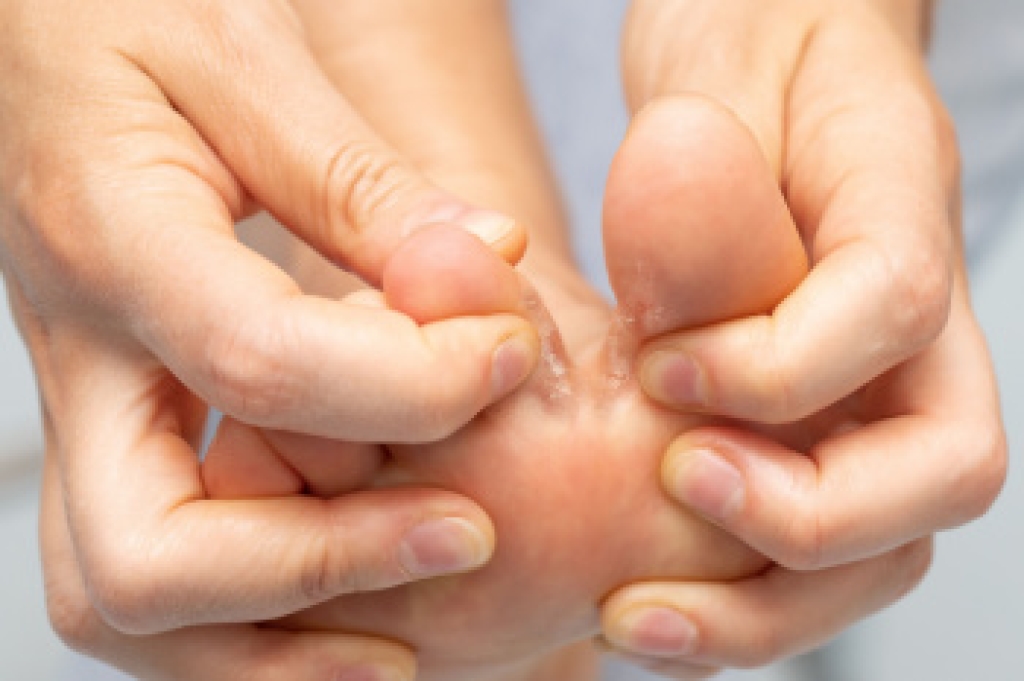
Athlete’s foot is a fungal infection that affects the skin on your feet, typically between the toes. It is caused by a fungus that thrives in warm, moist environments like sweaty socks or public showers. Symptoms include itching, burning, peeling, and redness, often accompanied by cracked or blistered skin. Treatment generally involves antifungal creams, powders, or sprays that target the infection. Keeping your feet clean and dry, changing socks regularly, and wearing breathable shoes can help prevent and manage athlete’s foot. In severe cases, a podiatrist may prescribe oral antifungal medication. If you are struggling with persistent or recurring athlete’s foot, it is suggested that you consult this type of doctor who can offer advice on foot hygiene, and help you prevent future outbreaks, in addition to providing an appropriate treatment plan.
Athlete’s Foot
Athlete’s foot is often an uncomfortable condition to experience. Thankfully, podiatrists specialize in treating athlete’s foot and offer the best treatment options. If you have any questions about athlete’s foot, consult with Brent Harwood, DPM from Southeast Podiatry. Our doctor will assess your condition and provide you with quality treatment.
What Is Athlete’s Foot?
Tinea pedis, more commonly known as athlete’s foot, is a non-serious and common fungal infection of the foot. Athlete’s foot is contagious and can be contracted by touching someone who has it or infected surfaces. The most common places contaminated by it are public showers, locker rooms, and swimming pools. Once contracted, it grows on feet that are left inside moist, dark, and warm shoes and socks.
Prevention
The most effective ways to prevent athlete’s foot include:
Symptoms
Athlete’s foot initially occurs as a rash between the toes. However, if left undiagnosed, it can spread to the sides and bottom of the feet, toenails, and if touched by hand, the hands themselves. Symptoms include:
Diagnosis and Treatment
Diagnosis is quick and easy. Skin samples will be taken and either viewed under a microscope or sent to a lab for testing. Sometimes, a podiatrist can diagnose it based on simply looking at it. Once confirmed, treatment options include oral and topical antifungal medications.
If you have any questions, please feel free to contact one of our offices located in Fairhope and Atmore, AL . We offer the newest diagnostic and treatment technologies for all your foot care needs.

You don't need an excuse to have beautiful nails. Step outside without worrying about the appearance of your feet.
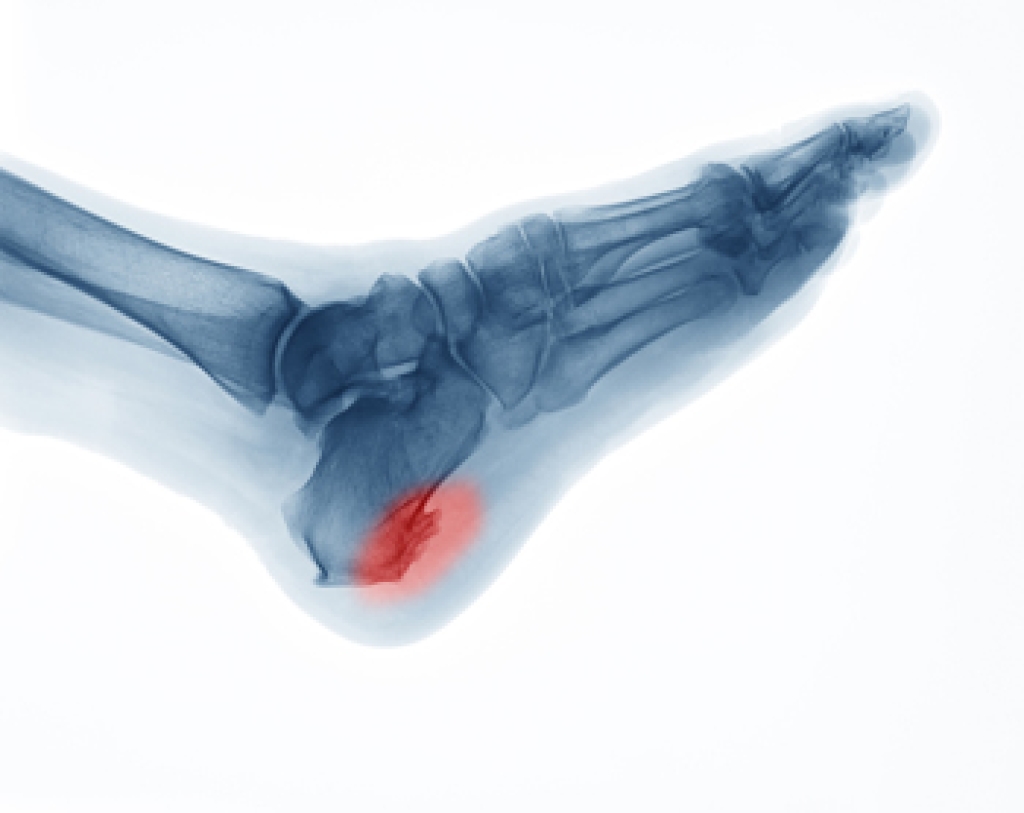
Heel spurs are bony growths that can develop on the underside of the heel bone, often associated with plantar fasciitis. These spurs form as a result of prolonged stress and inflammation in the plantar fascia, which connects the heel to the toes. Symptoms of heel spurs can vary, but they commonly include sharp pain in the heel, particularly during the first steps in the morning or after prolonged periods of sitting. The pain may subside with movement but can return after standing or walking for extended periods. Individuals may also experience tenderness and swelling surrounding the heel area. While heel spurs themselves may not always cause pain, the associated conditions can lead to significant discomfort. If you have heel pain, it may be caused by a heel spur, and it is suggested that you consult a podiatrist. This type of doctor can accurately diagnose and treat heel spurs.
Heel spurs can be incredibly painful and sometimes may make you unable to participate in physical activities. To get medical care for your heel spurs, contact Brent Harwood, DPM from Southeast Podiatry. Our doctor will do everything possible to treat your condition.
Heels Spurs
Heel spurs are formed by calcium deposits on the back of the foot where the heel is. This can also be caused by small fragments of bone breaking off one section of the foot, attaching onto the back of the foot. Heel spurs can also be bone growth on the back of the foot and may grow in the direction of the arch of the foot.
Older individuals usually suffer from heel spurs and pain sometimes intensifies with age. One of the main condition's spurs are related to is plantar fasciitis.
Pain
The pain associated with spurs is often because of weight placed on the feet. When someone is walking, their entire weight is concentrated on the feet. Bone spurs then have the tendency to affect other bones and tissues around the foot. As the pain continues, the feet will become tender and sensitive over time.
Treatments
There are many ways to treat heel spurs. If one is suffering from heel spurs in conjunction with pain, there are several methods for healing. Medication, surgery, and herbal care are some options.
If you have any questions, please feel free to contact one of our offices located in Fairhope and Atmore, AL . We offer the newest diagnostic and treatment technologies for all your foot care needs.

Have your child's feet been examined lately? Healthy feet are happy feet. If your child is complaining of foot pain, it may be a sign of underlying problems.