

Blog

Foot Pain and Running Injuries

Running injuries in the foot and ankle often develop as repetitive stress is placed on muscles, tendons, and joints without proper preparation or recovery. These injuries can appear as pain in the heel, arch, Achilles tendon, or ankle, and may begin as mild discomfort before becoming more persistent. Common causes include sudden increases in mileage, poor running mechanics, weak supporting muscles, and inadequate footwear. Learning from experienced runners and training smarter by building endurance gradually can reduce the risk of injury. Strength and flexibility imbalances also play a role in how the body absorbs impact during running. A podiatrist can evaluate foot structure, analyze gait patterns, and identify early signs of strain before they become more serious problems. If you have sustained a foot or ankle injury from running, it is suggested that you consult a podiatrist to discuss effective relief and prevention tips.

Exercising your feet regularly with the proper foot wear is a great way to prevent injuries. If you have any concerns about your feet, contact Brent Harwood, DPM of Southeast Podiatry. Our doctor will treat your foot and ankle needs.

How to Prevent Running Injuries

Many common running injuries are caused by overuse and overtraining. When the back of the kneecap starts wearing out and starts causing pain in your knee, this is commonly referred to as runner’s knee. Runner’s knee is a decrease in strength in your quadriceps and can occur if you’re not wearing properly fitted or supporting shoes. To prevent runner’s knee, focusing on hip strengthening is a good idea, as well as strengthening your quads to keep the kneecaps aligned.

What Are Some Causes of Running Injuries? 
- One cause of a common running injury is called iliotibial band syndrome.
- Plantar fasciitis is also another common injury.
- Stress fractures can occur from overtraining, lack of calcium, or even your running style.

Best Ways to Prevent Running Injuries
- Wear footwear that fits properly and suits your running needs.
- Running shoes are the only protective gear that runners have to safeguard them from injury.
- Make a training schedule. Adding strengthening exercises as well as regular stretching can help keep you strong and limber and can lessen the possibility of injuries.
- Stretching keeps muscles limber; this will help you gain better flexibility.

If you have any questions, please feel free to contact one of our offices located in Fairhope and Atmore, AL . We offer the newest diagnostic and treatment technologies for all your foot care needs.

Read more about How to Prevent Running Injuries

Let the Expert Treat Your Ingrown Toenails

Ingrown toenails can be painful and can make wearing shoes or walking uncomfortable. Seek professional help if you believe you've developed an ingrown toenail and be treated safely. 

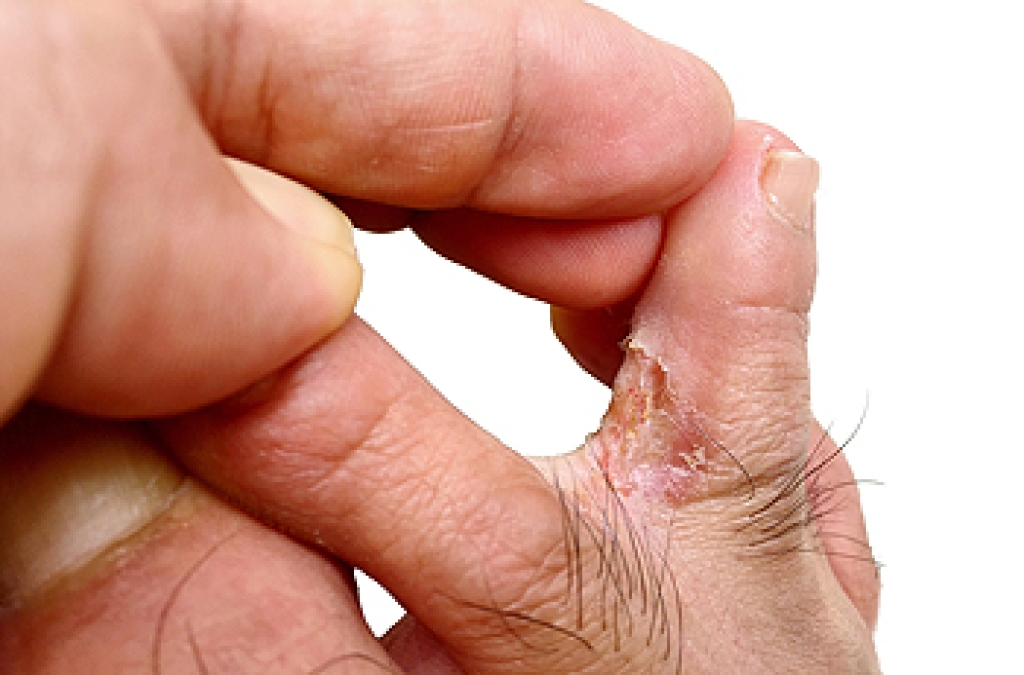
What Is Athlete’s Foot?

Athlete’s foot is a fungal infection that affects the skin on the feet, especially between the toes where moisture tends to build up. The condition develops when fungi grow in warm, damp environments. It can spread through contact with contaminated surfaces, socks, shoes, or shared areas like locker rooms and public showers. Common symptoms include itching, redness, and burning. Some people experience peeling skin, scaling, or an unpleasant odor. People who sweat heavily, wear tight or non-breathable footwear, and spend long periods in damp shoes may be at greater risk of developing athlete’s foot. A weakened immune system can also be a factor. Without proper treatment, the infection can spread to other areas of the foot or even to the toenails. A podiatrist can accurately diagnose athlete’s foot, recommend effective treatment options, and provide guidance on foot hygiene and footwear choices to help prevent future infections. If you have symptoms of athlete’s foot, it is suggested that you schedule an appointment with a podiatrist.

Athlete’s Foot

Athlete’s foot is often an uncomfortable condition to experience. Thankfully, podiatrists specialize in treating athlete’s foot and offer the best treatment options. If you have any questions about athlete’s foot, consult with Brent Harwood, DPM from Southeast Podiatry. Our doctor will assess your condition and provide you with quality treatment.

What Is Athlete’s Foot?

Tinea pedis, more commonly known as athlete’s foot, is a non-serious and common fungal infection of the foot. Athlete’s foot is contagious and can be contracted by touching someone who has it or infected surfaces. The most common places contaminated by it are public showers, locker rooms, and swimming pools. Once contracted, it grows on feet that are left inside moist, dark, and warm shoes and socks.

Prevention

The most effective ways to prevent athlete’s foot include:

  • Thoroughly washing and drying feet
  • Avoid going barefoot in locker rooms and public showers
  • Using shower shoes in public showers
  • Wearing socks that allow the feet to breathe
  • Changing socks and shoes frequently if you sweat a lot

Symptoms

Athlete’s foot initially occurs as a rash between the toes. However, if left undiagnosed, it can spread to the sides and bottom of the feet, toenails, and if touched by hand, the hands themselves. Symptoms include:

  • Redness
  • Burning
  • Itching
  • Scaly and peeling skin

Diagnosis and Treatment

Diagnosis is quick and easy. Skin samples will be taken and either viewed under a microscope or sent to a lab for testing. Sometimes, a podiatrist can diagnose it based on simply looking at it. Once confirmed, treatment options include oral and topical antifungal medications.

If you have any questions, please feel free to contact one of our offices located in Fairhope and Atmore, AL . We offer the newest diagnostic and treatment technologies for all your foot care needs.

Read more about Athlete’s Foot

Heel Pain in the Morning?

Heel pain can negatively affect your day-to-day life. Simple activities like walking can become incredibly uncomfortable or painful due to heel pain.

Don’t live with heel pain and get treated.

What Happens With a Broken Toe

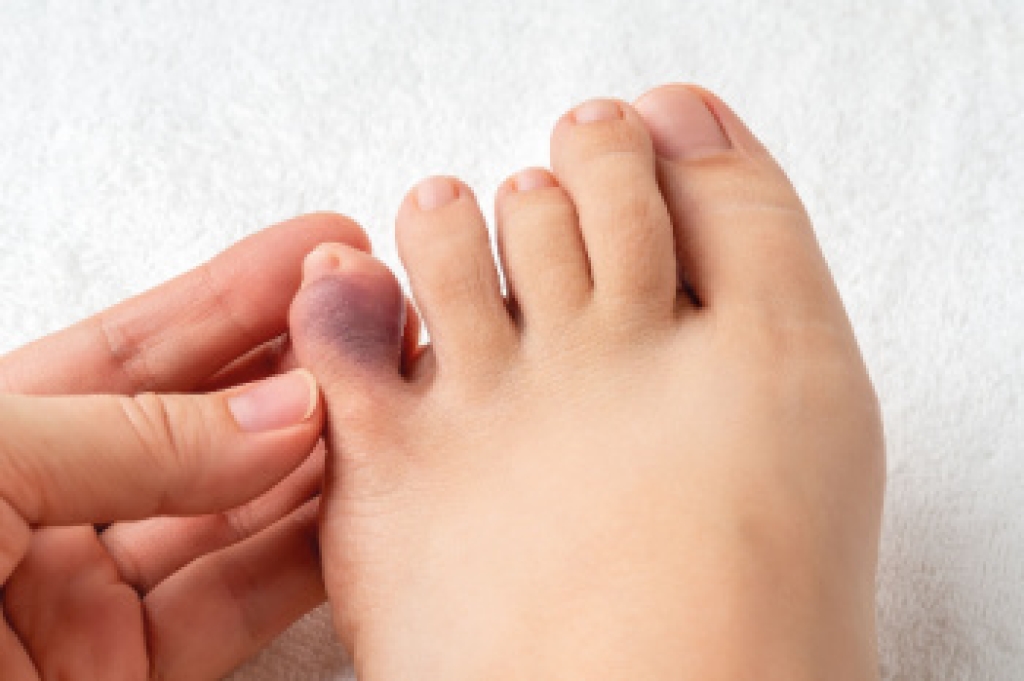
A broken toe is a fracture in one of the small bones of the toes, usually caused by direct impact or repeated stress. It often appears with symptoms consisting of sudden pain, swelling, bruising, and difficulty walking. Some people notice the toe looks misaligned or feels tender when touched. This injury can happen from stubbing the toe, dropping a heavy object, or from overuse in sports. Risk factors include weak bone density, wearing poor footwear, and active lifestyles that involve running or jumping. Healing time varies, but most cases improve over several weeks with proper care and protection. A podiatrist can confirm the fracture with imaging, ensure proper alignment, and guide treatment to avoid long term problems. If you have broken your toe, it is suggested that you consult a podiatrist who can guide you to an appropriate treatment plan.

A broken toe can be very painful and lead to complications if not properly fixed. If you have any concerns about your feet, contact Brent Harwood, DPM from Southeast Podiatry. Our doctor will treat your foot and ankle needs.

What to Know About a Broken Toe

Although most people try to avoid foot trauma such as banging, stubbing, or dropping heavy objects on their feet, the unfortunate fact is that it is a common occurrence. Given the fact that toes are positioned in front of the feet, they typically sustain the brunt of such trauma. When trauma occurs to a toe, the result can be a painful break (fracture).

Symptoms of a Broken Toe

  • Throbbing pain
  • Swelling
  • Bruising on the skin and toenail
  • The inability to move the toe
  • Toe appears crooked or disfigured
  • Tingling or numbness in the toe

Generally, it is best to stay off of the injured toe with the affected foot elevated.

Severe toe fractures may be treated with a splint, cast, and in some cases, minor surgery. Due to its position and the pressure it endures with daily activity, future complications can occur if the big toe is not properly treated.

If you have any questions, please feel free to contact one of our offices located in Fairhope and Atmore, AL . We offer the newest diagnostic and treatment technologies for all your foot care needs.
Read more about What to Know About a Broken Toe