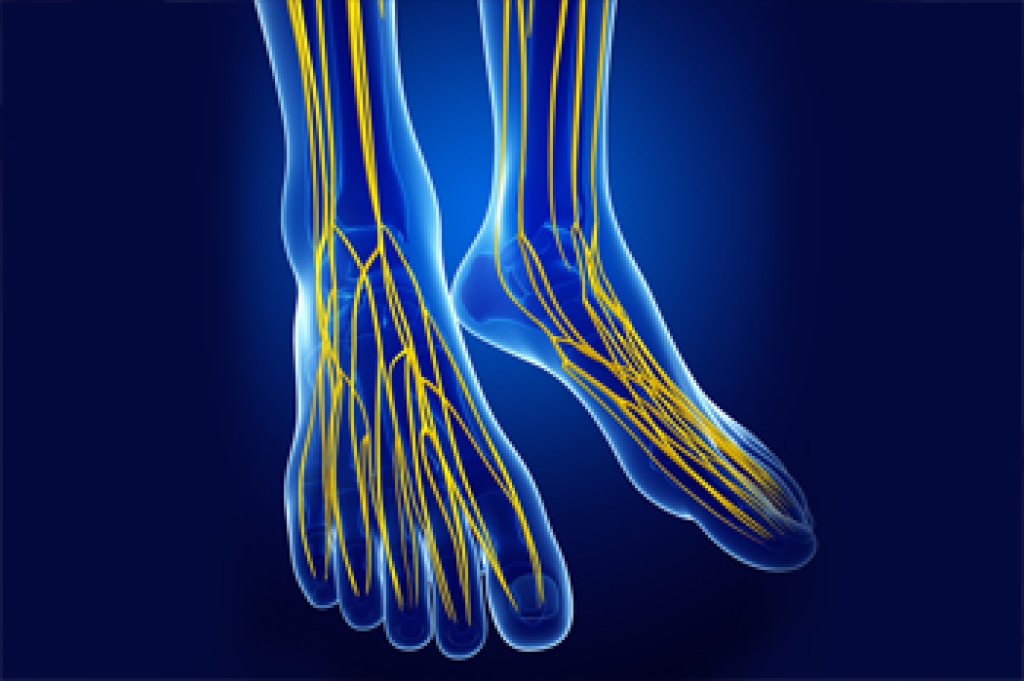
 Many people experience foot pain, which can make it difficult to complete daily activities. Foot pain can develop due to a multitude of reasons including blisters, bunions, athlete’s foot, and plantar fasciitis, to name a few. A bunion is defined as a bony protrusion on the side of the big toe and can be caused by wearing shoes that do not fit correctly. Plantar fasciitis affects the bottom of the foot where the plantar fascia is located. If it becomes torn or injured, this painful ailment may develop specifically causing pain in the heel. A common cause of blisters is friction, which can happen from wearing socks and shoes that are uncomfortable and rub against your skin. When itching or burning sensations occur between the toes or on the bottom of the feet, it may be indicative of athlete’s foot. If you have any type of foot pain it is suggested that you consult with a podiatrist who can properly diagnose and treat your condition.
Foot Pain
Foot pain can be extremely painful and debilitating. If you have a foot pain, consult with Brent Harwood, DPM from Southeast Podiatry. Our doctor will assess your condition and provide you with quality foot and ankle treatment.
Causes
Foot pain is a very broad condition that could be caused by one or more ailments. The most common include:
- Bunions
- Hammertoes
- Plantar Fasciitis
- Bone Spurs
- Corns
- Tarsal Tunnel Syndrome
- Ingrown Toenails
- Arthritis (such as Gout, Rheumatoid, and Osteoarthritis)
- Flat Feet
- Injury (from stress fractures, broken toe, foot, ankle, Achilles tendon ruptures, and sprains)
- And more
Diagnosis
To figure out the cause of foot pain, podiatrists utilize several different methods. This can range from simple visual inspections and sensation tests to X-rays and MRI scans. Prior medical history, family medical history, and any recent physical traumatic events will all be taken into consideration for a proper diagnosis.
Treatment
Treatment depends upon the cause of the foot pain. Whether it is resting, staying off the foot, or having surgery; podiatrists have a number of treatment options available for foot pain.
If you have any questions, please feel free to contact one of our offices located in Fairhope and Atmore, AL . We offer the newest diagnostic and treatment technologies for all your foot care needs.