

If left untreated, an ingrown toenail can lead to more serious concerns, such as an infection. Knowing proper nail care can help in the prevention of an ingrown toenail. Give us a call, and get treated!



If left untreated, an ingrown toenail can lead to more serious concerns, such as an infection. Knowing proper nail care can help in the prevention of an ingrown toenail. Give us a call, and get treated!
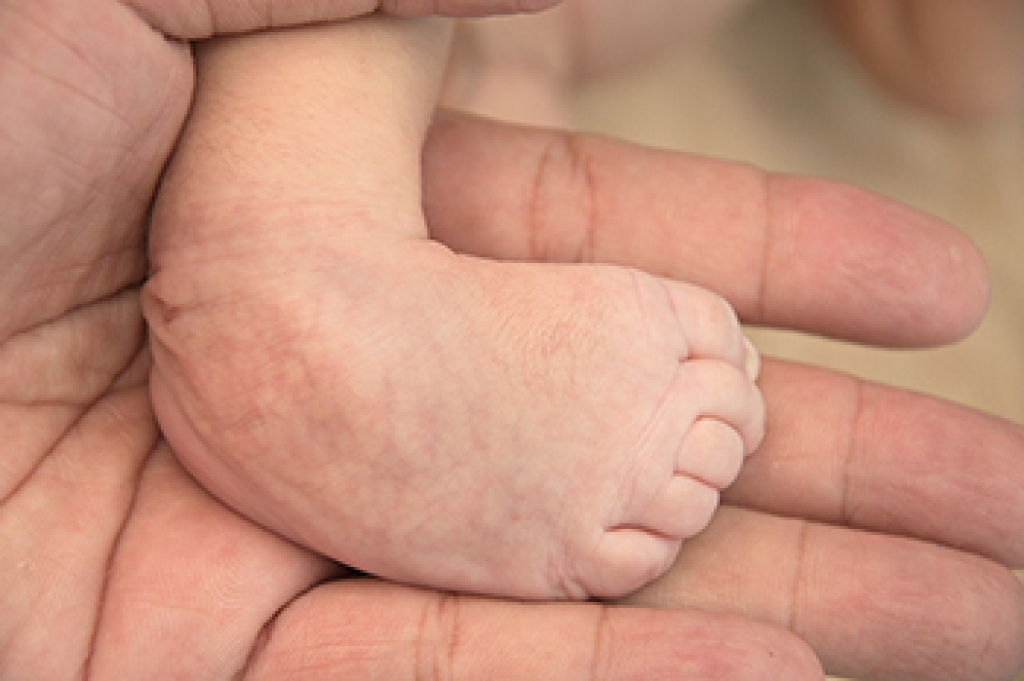
Congenital foot conditions are abnormalities that occur in babies at birth and can affect their ability to walk and develop properly. One of the most common conditions is clubfoot, where the foot is turned inward and downward, making it difficult to move the foot into a normal position. Another condition is metatarsus adductus, where the front part of the foot turns inward, resulting in a curved appearance. This condition is usually mild and may resolve on its own as the baby grows. Flat feet, or fallen arches, can also be a congenital condition in babies, where the arches of the feet do not develop fully, causing the whole foot to touch the ground. Additionally, congenital vertical talus, a rare condition, occurs when the foot is rigidly turned upward. If your child has been born with a congenital foot condition, it is strongly suggested that you include a podiatrist on your health care team so the correct treatment can promptly begin.
Congenital foot problems require immediate attention to avoid future complications. If you have any concerns, contact Brent Harwood, DPM of Southeast Podiatry. Our doctor can provide the care you need to keep you pain-free and on your feet.
Congenital foot problems are deformities affecting the feet, toes, and/or ankles that children are born with. Some of these conditions have a genetic cause while others just happen. Some specific foot ailments that children may be born with include clubfeet, polydactyly/macrodactyly, and cleft foot. There are several other foot anomalies that can occur congenitally. What all of these conditions have in common is that a child may experience difficulty walking or performing everyday activities, as well as trouble finding footwear that fits their foot deformity. Some of these conditions are more serious than others. Consulting with a podiatrist as early as possible will help in properly diagnosing a child’s foot condition while getting the necessary treatment underway.
What are Causes of Congenital Foot Problem?
A congenital foot problem is one that happens to a child at birth. These conditions can be caused by a genetic predisposition, developmental or positional abnormalities during gestation, or with no known cause.
What are Symptoms of Congenital Foot Problems?
Symptoms vary by the congenital condition. Symptoms may consist of the following:
Treatment and Prevention
While there is nothing one can do to prevent congenital foot problems, raising awareness and receiving neonatal screenings are important. Early detection by taking your child to a podiatrist leads to the best outcome possible.
If you have any questions, please feel free to contact one of our offices located in Fairhope and Atmore, AL . We offer the newest diagnostic and treatment technologies for all your foot care needs.
Have you noticed a bony protrusion on the side of your big toe? If so, you may have developed the foot condition known as a bunion. Don't let bunions interfere with your daily activities.
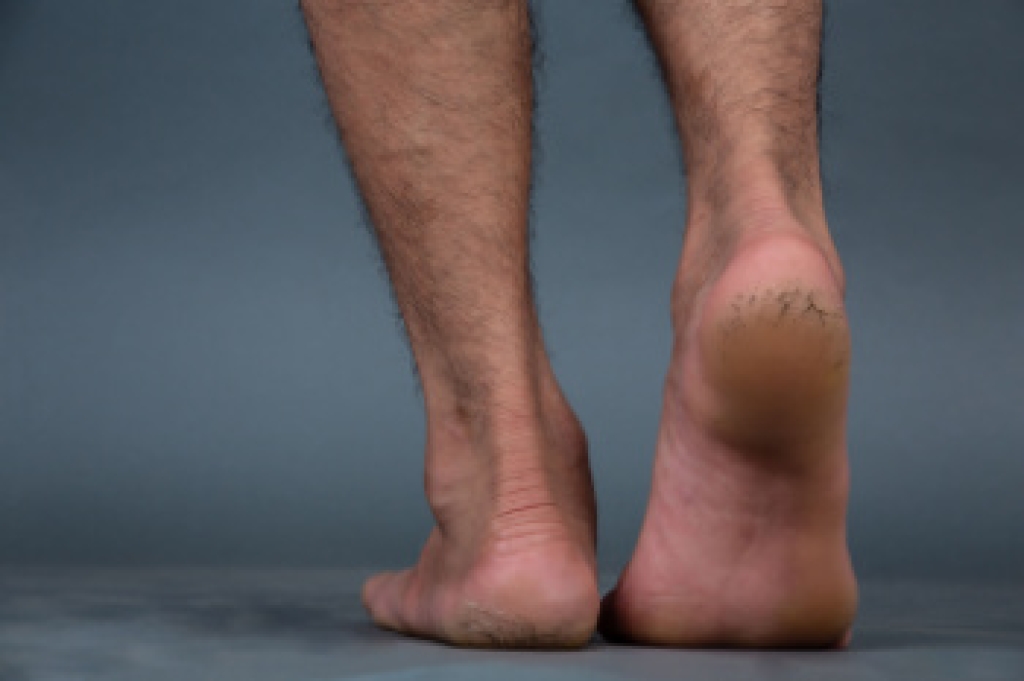
Cracked heels are a common concern during winter when cold, dry air strips moisture from the skin. The feet endure constant pressure from body weight, causing the skin on the heels to expand. If the skin is dry and rigid, it can split, leading to painful cracks, called fissures. Unlike other areas of the body, the soles of the feet lack sebaceous glands to lubricate the skin, making them more prone to dryness. Factors like prolonged standing, wearing poorly fitting shoes, or conditions such as diabetes, hypothyroidism, eczema, and athlete’s foot can increase the likelihood of cracked heels. Severe cracks may make walking uncomfortable and even lead to infections if left untreated. A podiatrist can evaluate the condition of your heels, recommend specialized treatments to improve skin hydration, and address any underlying health issues that may be contributing to the problem. This foot doctor can also suggest footwear and preventative measures to maintain healthy feet all year long. If you have painful cracked heels, it is suggested that you schedule an appointment with a podiatrist for an exam and appropriate treatment.
If the skin on your feet starts to crack, you may want to see a podiatrist to find treatment. If you have any concerns, contact Brent Harwood, DPM from Southeast Podiatry. Our doctor can provide the care you need to keep you pain-free and on your feet.
Cracked Heels
It is important to moisturize your cracked heels in order to prevent pain, bleeding, and infection. The reason cracked heels form is because the skin on the foot is too dry to support the immense pressure placed on them. When the foot expands, the dry skin on the foot begins to split.
Ways to Help Heal Them
Ways to Prevent Cracked Heels
If you are unsure how to proceed in treating cracked heels, seek guidance from a podiatrist. Your doctor will help you with any questions or information you may need.
If you have any questions, please feel free to contact one of our offices located in Fairhope and Atmore, AL . We offer the newest diagnostic and treatment technologies for all your foot care needs.

Gout is a painful, inflammatory form of arthritis. Those affected will typically feel an intense stiffness in the joints of their feet, particularly in the big toe. Schedule a visit to learn about how gout can be managed and treated.