

Do you work on your feet all day and find your feet in pain? Don't go to work in pain each day. Your foot pain can be treated, and we can help.



Do you work on your feet all day and find your feet in pain? Don't go to work in pain each day. Your foot pain can be treated, and we can help.
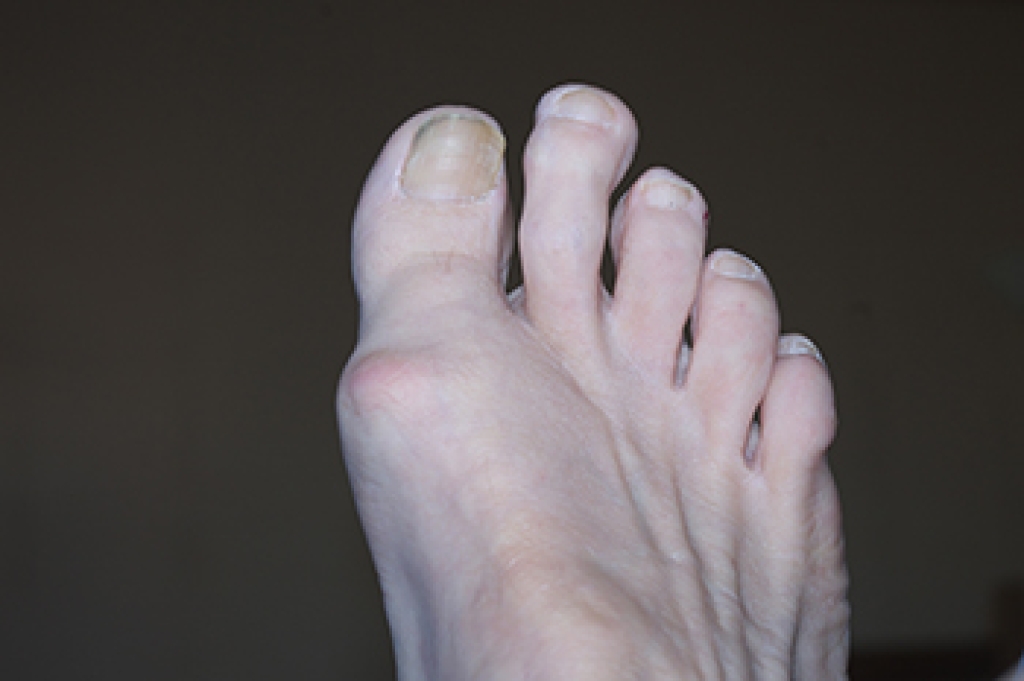
Morton's toe is a foot condition where the second toe is longer than the big toe due to a shorter first metatarsal bone. This structural difference can alter weight distribution, placing extra pressure on the ball of the foot. Causes of Morton's toe are primarily genetic, as the condition is inherited. This imbalance can lead to foot problems like calluses, metatarsalgia, and improper arch support. It may also contribute to pain in the ankles, knees, and lower back due to changes in walking mechanics. Relief options include wearing shoes with proper arch support, using orthotic inserts, and choosing footwear with a roomy toe box. If this condition is causing you discomfort, it is suggested that you consult a podiatrist who can guide you on relief options, including stretching and strengthening exercises that can help improve foot stability.
Congenital foot problems require immediate attention to avoid future complications. If you have any concerns, contact Brent Harwood, DPM of Southeast Podiatry. Our doctor can provide the care you need to keep you pain-free and on your feet.
Congenital foot problems are deformities affecting the feet, toes, and/or ankles that children are born with. Some of these conditions have a genetic cause while others just happen. Some specific foot ailments that children may be born with include clubfeet, polydactyly/macrodactyly, and cleft foot. There are several other foot anomalies that can occur congenitally. What all of these conditions have in common is that a child may experience difficulty walking or performing everyday activities, as well as trouble finding footwear that fits their foot deformity. Some of these conditions are more serious than others. Consulting with a podiatrist as early as possible will help in properly diagnosing a child’s foot condition while getting the necessary treatment underway.
What are Causes of Congenital Foot Problem?
A congenital foot problem is one that happens to a child at birth. These conditions can be caused by a genetic predisposition, developmental or positional abnormalities during gestation, or with no known cause.
What are Symptoms of Congenital Foot Problems?
Symptoms vary by the congenital condition. Symptoms may consist of the following:
Treatment and Prevention
While there is nothing one can do to prevent congenital foot problems, raising awareness and receiving neonatal screenings are important. Early detection by taking your child to a podiatrist leads to the best outcome possible.
If you have any questions, please feel free to contact one of our offices located in Fairhope and Atmore, AL . We offer the newest diagnostic and treatment technologies for all your foot care needs.

Ingrown toenails can be painful and can make wearing shoes or walking uncomfortable. Seek professional help if you believe you've developed an ingrown toenail and be treated safely.
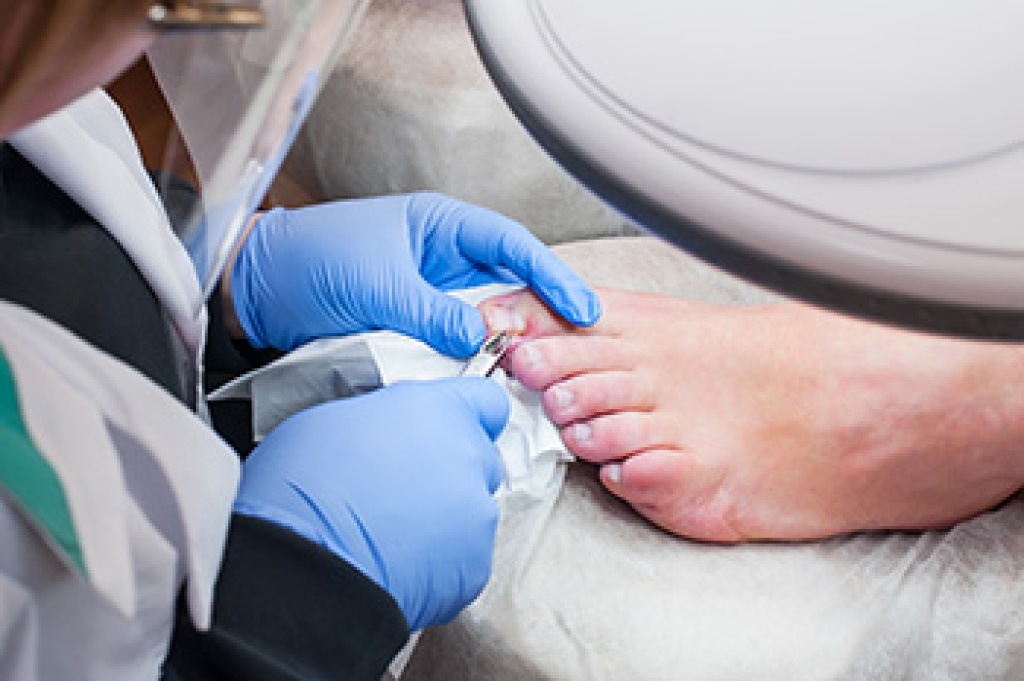
An ingrown toenail develops when the nail grows into the surrounding skin, causing pain, swelling, and potential infection. The big toe is the most common site of an ingrown toenail, and improper nail trimming is a leading cause. Cutting the toenails too short or rounding their edges can encourage the nail to grow into the skin. Wearing tight shoes, repetitive pressure from physical activities, and excessive sweating can also increase the risk. Some people have naturally curved or thick nails that make them more prone to this condition. Ingrown toenails are more common in teenagers and young adults, with males affected more often than females. If left untreated, an ingrown toenail can become infected, making daily activities difficult. A podiatrist can provide treatment, including lifting the nail, trimming properly, or surgery to remove part or all of the affected nail. Proper footwear and trimming nails straight across can help to prevent recurrence. If you have a painful ingrown toenail, it is suggested that you schedule an appointment with a podiatrist for an exam and appropriate treatment options.
Ingrown toenails may initially present themselves as a minor discomfort, but they may progress into an infection in the skin without proper treatment. For more information about ingrown toenails, contact Brent Harwood, DPM of Southeast Podiatry. Our doctor can provide the care you need to keep you pain-free and on your feet.
Ingrown Toenails
Ingrown toenails are caused when the corner or side of a toenail grows into the soft flesh surrounding it. They often result in redness, swelling, pain, and in some cases, infection. This condition typically affects the big toe and may recur if it is not treated properly.
Causes
You are more likely to develop an ingrown toenail if you are obese, have diabetes, arthritis, or have any fungal infection in your nails. Additionally, people who have foot or toe deformities are at a higher risk of developing an ingrown toenail.
Symptoms
Some symptoms of ingrown toenails are redness, swelling, and pain. In rare cases, there may be a yellowish drainage coming from the nail.
Treatment
Ignoring an ingrown toenail can have serious complications. Infections of the nail border can progress to a deeper soft-tissue infection, which can then turn into a bone infection. You should always speak with your podiatrist if you suspect you have an ingrown toenail, especially if you have diabetes or poor circulation.
If you have any questions, please feel free to contact one of our offices located in Fairhope and Atmore, AL . We offer the newest diagnostic and treatment technologies for all your foot care needs.

Heel pain can negatively affect your day-to-day life. Simple activities like walking can become incredibly uncomfortable or painful due to heel pain.
Don’t live with heel pain and get treated.