
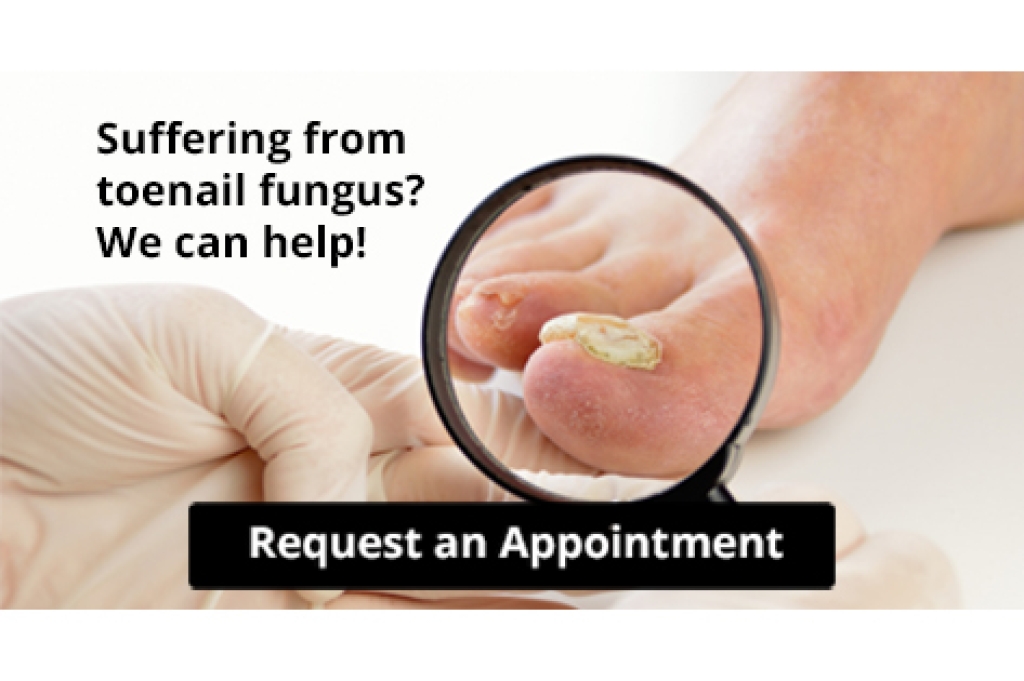
You don't need an excuse to have beautiful nails. Step outside without worrying about the appearance of your feet.



You don't need an excuse to have beautiful nails. Step outside without worrying about the appearance of your feet.
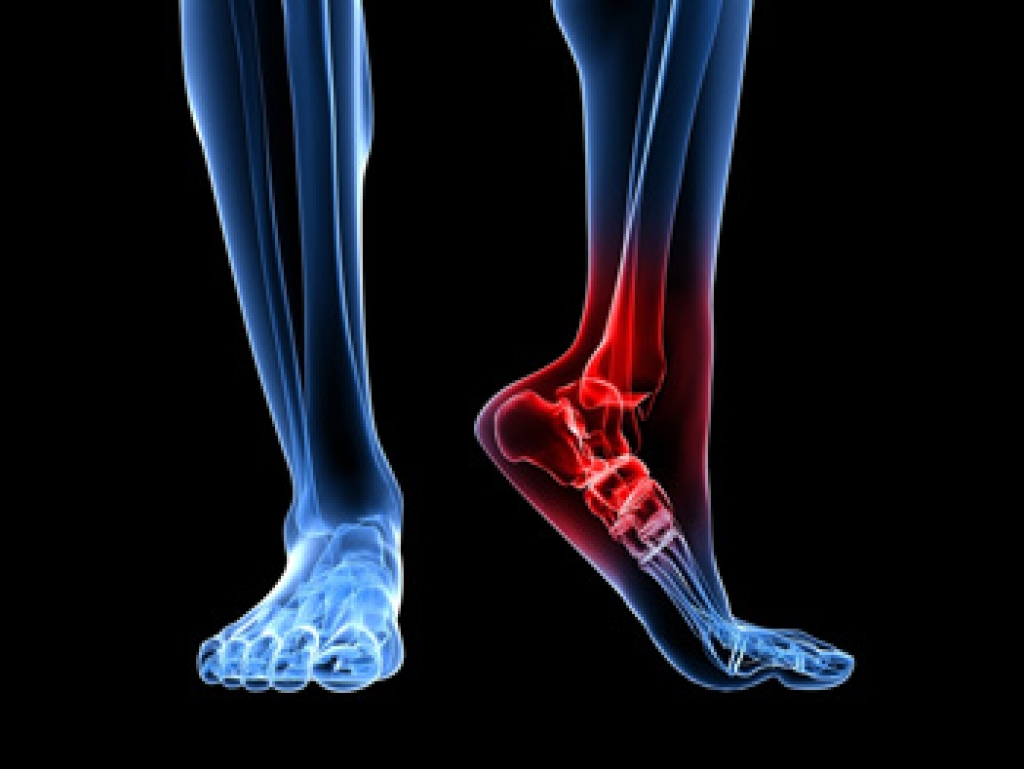
Sever’s disease, also known as calcaneal apophysitis, is an overuse injury of the growth plate in the heel. This condition is common among active children between the ages of 8 and 14. While the child is still growing, the growth plates in their heel bones are vulnerable to injury and inflammation. This is often caused by participating in repetitive activities that put excess strain on the heels, such as the running and jumping common in sports like soccer or basketball. Sever’s disease is also more common in children who are overweight, as the extra weight can put pressure on the heels. Symptoms of Sever’s disease include heel pain, swelling, and difficulty walking or bearing weight on the affected foot. If your child complains of heel pain, please seek the care of a podiatrist.
Sever's disease often occurs in children and teens. If your child is experiencing foot or ankle pain, see Brent Harwood, DPM from Southeast Podiatry. Our doctor can treat your child’s foot and ankle needs.
Sever’s Disease
Sever’s disease is also known as calcaneal apophysitis, which is a medical condition that causes heel pain I none or both feet. The disease is known to affect children between the ages of 8 and 14.
Sever’s disease occurs when part of the child’s heel known as the growth plate (calcaneal epiphysis) is attached to the Achilles tendon. This area can suffer injury when the muscles and tendons of the growing foot do not keep pace with bone growth. Therefore, the constant pain which one experiences at the back of the heel will make the child unable to put any weight on the heel. The child is then forced to walk on their toes.
Symptoms
Acute pain – Pain associated with Sever’s disease is usually felt in the heel when the child engages in physical activity such as walking, jumping and or running.
Highly active – Children who are very active are among the most susceptible in experiencing Sever’s disease, because of the stress and tension placed on their feet.
If you have any questions, please feel free to contact one of our offices located in Fairhope and Atmore, AL . We offer the newest diagnostic and treatment technologies for all your foot care needs.

Have your child's feet been examined lately? Healthy feet are happy feet. If your child is complaining of foot pain, it may be a sign of underlying problems.

Your feet are covered most of the day. If you're diabetic, periodic screening is important for good health. Numbness is often a sign of diabetic foot and can mask a sore or wound.
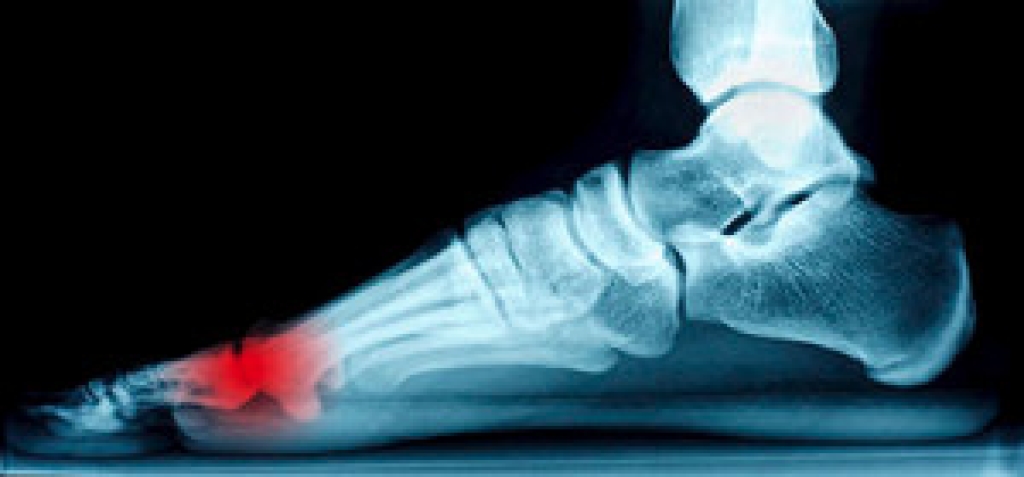 Sesamoids are tiny bones that are situated in a muscle or connected to tendons. There are two tiny sesamoids in the front of the foot that provide mobility to the big toe and aid the tendons. Sesamoiditis occurs when these tendons become swollen or irritated, which can cause pain in the big toe or ball of the foot, or prevent full motion of the big toe. A podiatrist can examine your foot, and perform various tests and X-rays to help determine if you have this condition, which can be common among certain athletes and dancers. Treatment is typically non-surgical, and may include over-the-counter pain killers, resting and icing the area, taping the big toe to restrict movement, and wearing certain orthopedic pads or soft-soled shoes. If the situation persists, a short brace or steroids may be prescribed to reduce inflammation and help the area heal properly. Surgery to remove the sesamoid may be an option if more conservative measures fail to provide relief. If you believe you may have sesamoiditis, don’t delay in seeking professional treatment from a podiatrist.
Sesamoiditis is an unpleasant foot condition characterized by pain in the balls of the feet. If you think you’re struggling with sesamoiditis, contact Brent Harwood, DPM of Southeast Podiatry. Our doctor will treat your condition thoroughly and effectively.
Sesamoiditis
Sesamoiditis is a condition of the foot that affects the ball of the foot. It is more common in younger people than it is in older people. It can also occur with people who have begun a new exercise program, since their bodies are adjusting to the new physical regimen. Pain may also be caused by the inflammation of tendons surrounding the bones. It is important to seek treatment in its early stages because if you ignore the pain, this condition can lead to more serious problems such as severe irritation and bone fractures.
Causes of Sesamoiditis
Treatment for sesamoiditis is non-invasive and simple. Doctors may recommend a strict rest period where the patient forgoes most physical activity. This will help give the patient time to heal their feet through limited activity. For serious cases, it is best to speak with your doctor to determine a treatment option that will help your specific needs.
If you have any questions, please feel free to contact one of our offices located in Fairhope and Atmore, AL . We offer the newest diagnostic and treatment technologies for all your foot care needs.