Blog

Can I Run With a Broken Toe?

A broken toe is a painful injury that may keep you off your feet for quite some time. This can be a difficult reality for an avid runner or athlete to accept. If you have broken your toe, it is strongly suggested that you rest it for several weeks to ensure a full recovery. Whether or not you can run, exercise, or even bear weight on a broken toe will depend on which toe is broken and the severity of the fracture. If the big toe is broken, then running will likely be impossible, as the big toe is responsible for pushing off the ground when you run and keeping the foot stable. If you have broken one of the three middle toes, it may be possible to exercise if the fracture is not severe, has not altered your gait, and you can still fit your foot comfortably in your running shoes. You should always follow the advice of a podiatrist prior to attempting any exercise with a foot or ankle injury. If you have broken your toe, please consult with a podiatrist.

Broken toes may cause a lot of pain and should be treated as soon as possible. If you have any concerns about your feet, contact Brent Harwood, DPM from Southeast Podiatry. Our doctor will treat your foot and ankle needs.

What Is a Broken Toe?

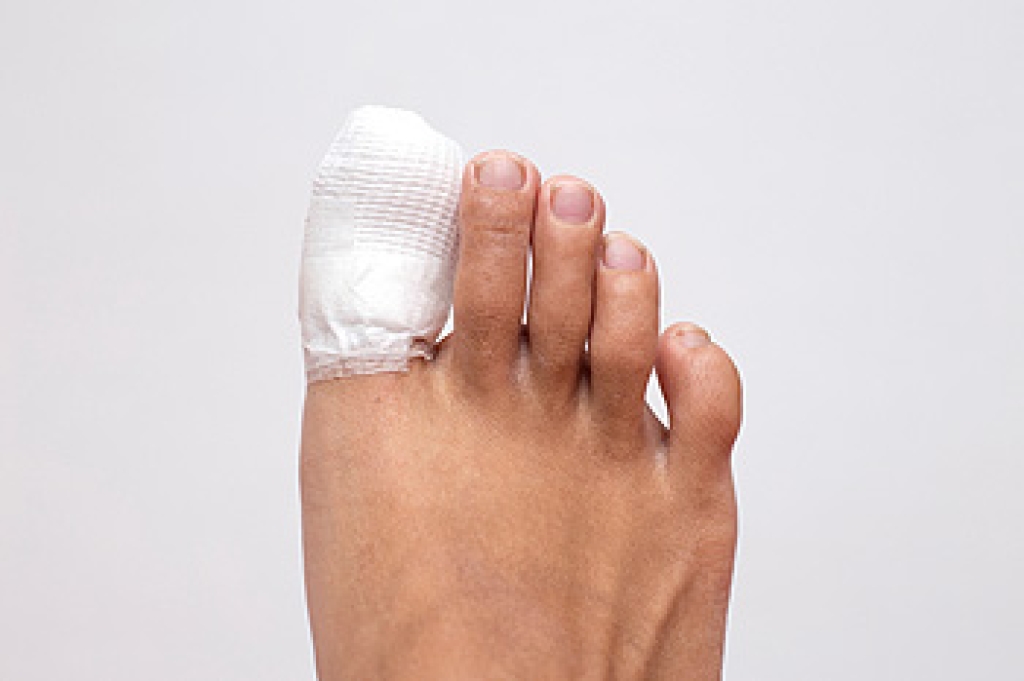
A broken toe occurs when one or more of the toe bones of the foot are broken after an injury. Injuries such as stubbing your toe or dropping a heavy object on it may cause a toe fracture.

Symptoms of a Broken Toe

  • Swelling
  • Pain (with/without wearing shoes)
  • Stiffness
  • Nail Injury

Although the injured toe should be monitored daily, it is especially important to have a podiatrist look at your toe if you have severe symptoms. Some of these symptoms include worsening or new pain that is not relieved with medication, sores, redness, or open wounds near the toe.

If you have any questions please feel free to contact one of our offices located in Fairhope and Atmore, AL . We offer the newest diagnostic tools and technology to treat your foot and ankle needs.

Read more about What to Know About a Broken Toe

Do Your Child's Feet Hurt?

Have your child's feet been examined lately? Healthy feet are happy feet. If your child is complaining of foot pain, it may be a sign of underlying problems.

Signs You May Have a Fungal Toenail Infection

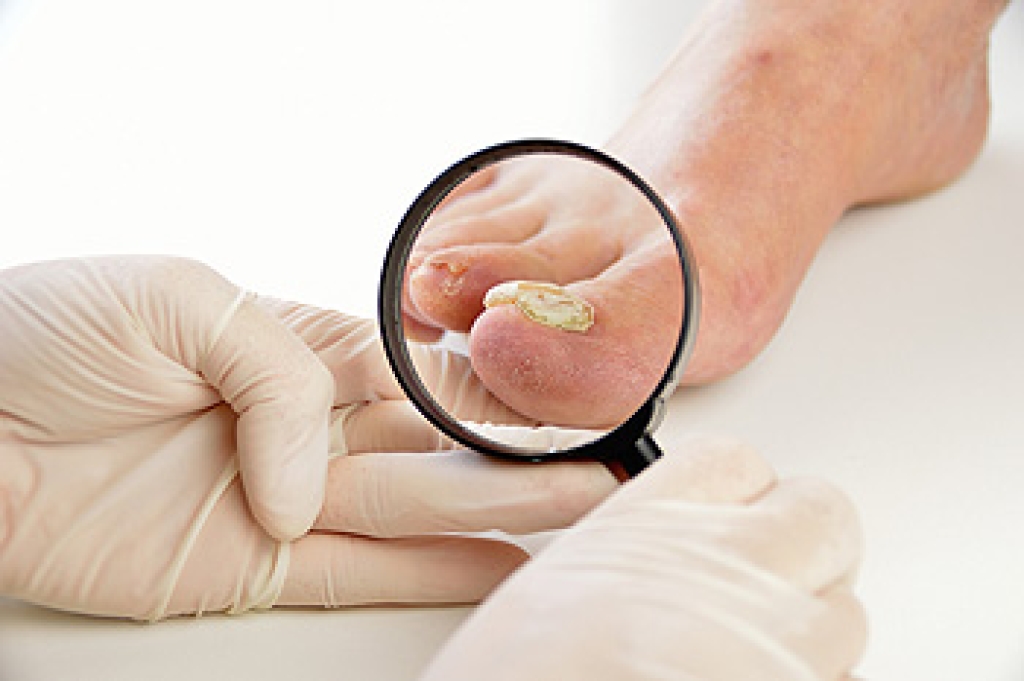
A fungal nail infection occurs when the nail is invaded by a fungus. As the fungus multiplies, the infected toenails begin to undergo changes. They may become thickened, brittle, crumbly, and discolored. In more severe cases, the nail can become misshapen and may begin to separate from the nail bed, causing pain and emitting a foul odor. The infection can spread from nail to nail, and surrounding skin can also become infected. A combination of topical and oral medications is often prescribed to treat toenail fungus. Laser therapy can also be a potential treatment option. To learn more, please consult with a podiatrist. 

For more information about treatment, contact Brent Harwood, DPM of Southeast Podiatry. Our doctor can provide the care you need to keep you pain-free and on your feet.

Toenail Fungus Treatment

Toenail fungus is a condition that affects many people and can be especially hard to get rid of. Fortunately, there are several methods to go about treating and avoiding it.

Antifungals & Deterrence

Oral antifungal medicine has been shown to be effective in many cases. It is important to consult with a podiatrist to determine the proper regiment for you, or potentially explore other options.

Applying foot powder on the feet and shoes helps keep the feet free of moisture and sweat.

Sandals or open toed shoes – Wearing these will allow air movement and help keep feet dry. They also expose your feet to light, which fungus cannot tolerate. Socks with moisture wicking material also help as well.

If you have any questions please contact one of our offices located in Fairhope and Atmore, AL . We offer the newest diagnostic and treatment technologies for all your foot and ankle needs.

Read more about Treating Toenail Fungus

Wounds That Don't Heal Need to Be Checked

Your feet are covered most of the day. If you're diabetic, periodic screening is important for good health. Numbness is often a sign of diabetic foot and can mask a sore or wound.

The Three Types of Orthotics

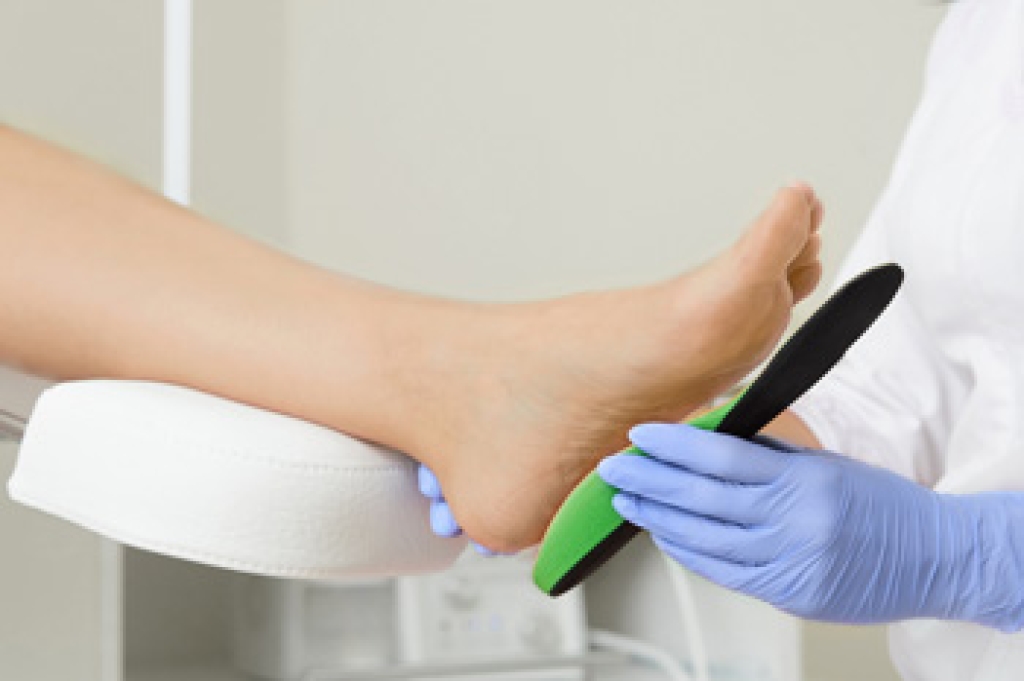
Orthotics are special shoe inserts that are designed to help correct a variety of foot related issues by relieving pressure or realigning the feet. They can also help reduce pain in the feet, knees, and lower back. There are three common types of orthotics known as soft, rigid, and semi-rigid. Soft orthotics are made to provide extra cushioning while the foot is planted on the ground. Semi-rigid orthotics, which are often used on flat feet, are designed to provide both cushioning and stability. Meanwhile, rigid orthotics are designed to provide stability and to help prevent movements that can cause pain. Patients who believe that orthotics are right for them should visit a podiatrist. A podiatrist will be able to customize an orthotic and tailor it to your needs.

If you are having discomfort in your feet and would like to try orthotics, contact Brent Harwood, DPM from Southeast Podiatry. Our doctor can provide the care you need to keep you pain-free and on your feet.

What Are Orthotics?

Orthotics are inserts you can place into your shoes to help with a variety of foot problems such as flat feet or foot pain. Orthotics provide relief and comfort for minor foot and heel pain but can’t correct serious biomechanical problems in your feet.

Over-the-Counter Inserts

Orthotics come in a wide variety of over-the-counter inserts that are used to treat foot pain, heel pain, and minor problems. For example, arch supports can be inserted into your shoes to help correct overarched or flat feet, while gel insoles are often used because they provide comfort and relief from foot and heel pain by alleviating pressure.

Prescription Orthotics

If over-the-counter inserts don’t work for you or if you have a more severe foot concern, it is possible to have your podiatrist prescribe custom orthotics. These high-quality inserts are designed to treat problems such as abnormal motion, plantar fasciitis, and severe forms of heel pain. They can even be used to help patients suffering from diabetes by treating foot ulcers and painful calluses and are usually molded to your feet individually, which allows them to provide full support and comfort.

If you are experiencing minor to severe foot or heel pain, it’s recommended to speak with your podiatrist about the possibilities of using orthotics. A podiatrist can determine which type of orthotic is right for you and allow you to take the first steps towards being pain-free.

If you have any questions, please feel free to contact one of our offices located in Fairhope and Atmore, AL . We offer the newest diagnostic and treatment technologies for all your foot care needs.

Read more about Foot Orthotics