

Have your child's feet been examined lately? Healthy feet are happy feet. If your child is complaining of foot pain, it may be a sign of underlying problems.



Have your child's feet been examined lately? Healthy feet are happy feet. If your child is complaining of foot pain, it may be a sign of underlying problems.
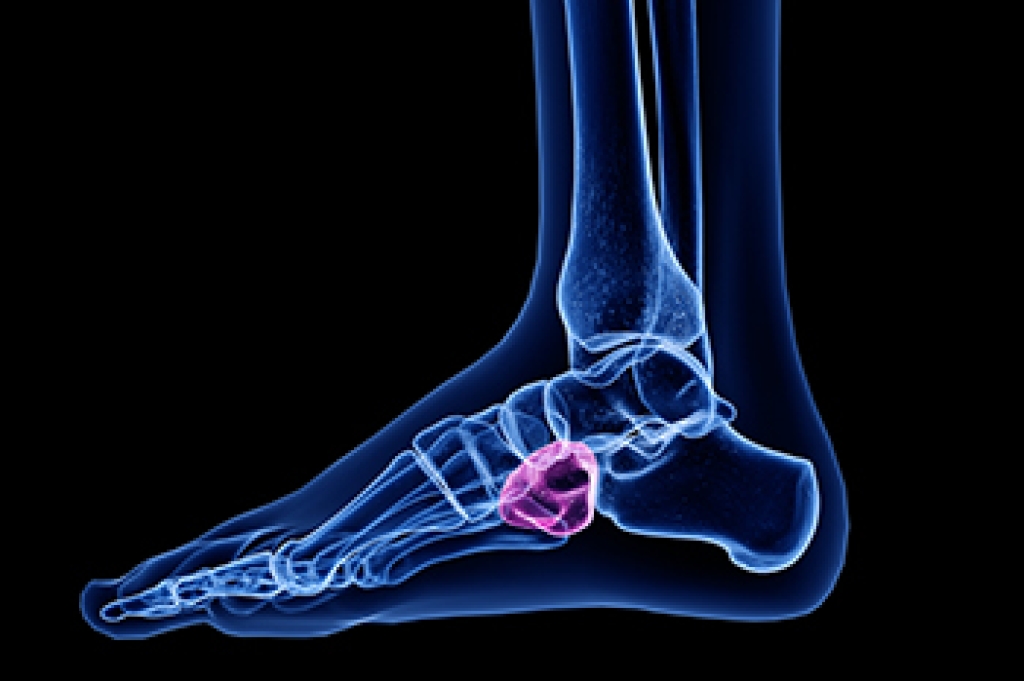
Cuboid syndrome occurs when the cuboid bone in the foot becomes misaligned or partially dislocated, often leading to pain along the outer edge of the foot. It is commonly seen in athletes who engage in activities that involve repetitive stress, jumping, or quick directional changes. The condition can develop suddenly after an ankle injury or gradually due to overuse. Symptoms may include aching, weakness, and difficulty bearing weight on the affected side. Diagnosing cuboid syndrome can be challenging because it may not show up on standard imaging studies. Podiatrists often rely on a physical examination, medical history, and specific manipulation tests to confirm the diagnosis. If you are an athlete and have pain in this part of your foot, it is suggested that you contact a podiatrist who can accurately diagnose and treat cuboid syndrome, allowing you to return safely to activity.
Cuboid syndrome, also known as cuboid subluxation, occurs when the joints and ligaments near the cuboid bone in the foot become torn. If you have cuboid syndrome, consult with Brent Harwood, DPM from Southeast Podiatry. Our doctor will assess your condition and provide you with quality foot and ankle treatment.
Cuboid syndrome is a common cause of lateral foot pain, which is pain on the outside of the foot. The condition may happen suddenly due to an ankle sprain, or it may develop slowly overtime from repetitive tension through the bone and surrounding structures.
Causes
The most common causes of cuboid syndrome include:
Symptoms
A common symptom of cuboid syndrome is pain along the outside of the foot which can be felt in the ankle and toes. This pain may create walking difficulties and may cause those with the condition to walk with a limp.
Diagnosis
Diagnosis of cuboid syndrome is often difficult, and it is often misdiagnosed. X-rays, MRIs and CT scans often fail to properly show the cuboid subluxation. Although there isn’t a specific test used to diagnose cuboid syndrome, your podiatrist will usually check if pain is felt while pressing firmly on the cuboid bone of your foot.
Treatment
Just as the range of causes varies widely, so do treatments. Some more common treatments are ice therapy, rest, exercise, taping, and orthotics.
If you have any questions, please feel free to contact one of our offices located in Fairhope and Atmore, AL . We offer the newest diagnostic and treatment technologies for all your foot care needs.

Your feet are covered most of the day. If you're diabetic, periodic screening is important for good health. Numbness is often a sign of diabetic foot and can mask a sore or wound.
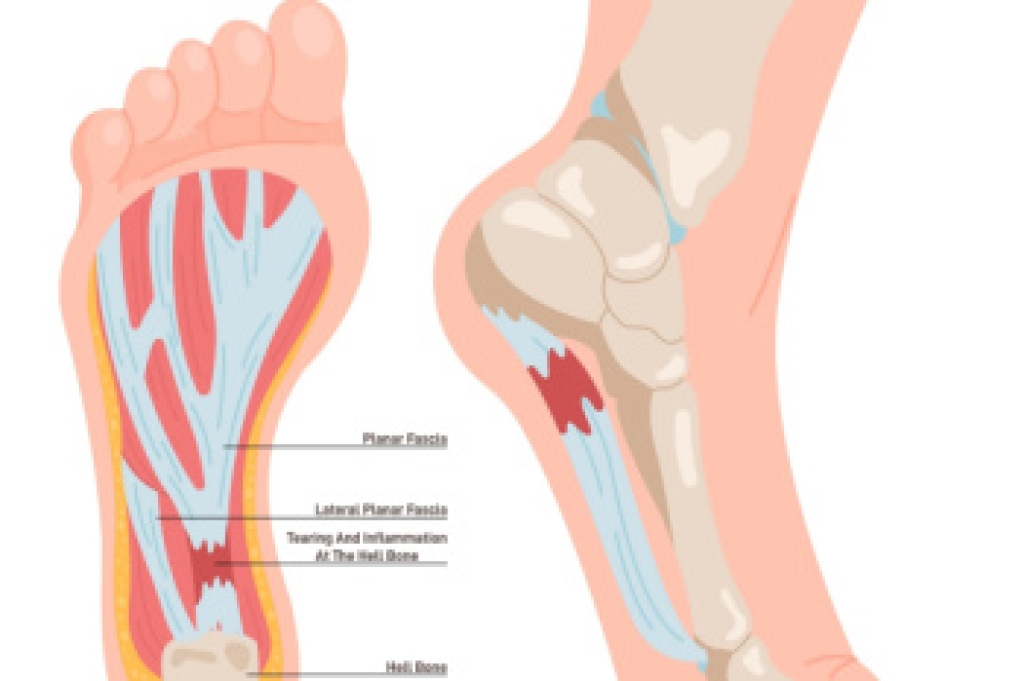
Plantar fasciitis occurs when the band of tissue that runs along the bottom of the foot, called the plantar fascia, becomes irritated or inflamed. This ligament supports the arch and absorbs pressure during walking. Repeated strain from activities like running, long periods of standing, or wearing shoes that lack proper support can lead to small tears where the fascia connects to the heel bone. Symptoms of plantar fasciitis often include sharp pain in the heel, especially with the first steps in the morning or after sitting for long periods. The pain may recede with movement but often returns later in the day. A podiatrist can diagnose plantar fasciitis by examining the foot and reviewing activity history. Treatment options include prescribed orthotics, anti-inflammatory medication, night splints, or, in some cases, corticosteroid injections. Surgery may be considered if other options fail. If you have pain on the bottom of your foot, it is suggested that you schedule an appointment with a podiatrist for appropriate treatment.
Plantar fasciitis is a common foot condition that is often caused by a strain injury. If you are experiencing heel pain or symptoms of plantar fasciitis, contact Brent Harwood, DPM from Southeast Podiatry. Our doctor can provide the care you need to keep you pain-free and on your feet.
What Is Plantar Fasciitis?
Plantar fasciitis is one of the most common causes of heel pain. The plantar fascia is a ligament that connects your heel to the front of your foot. When this ligament becomes inflamed, plantar fasciitis is the result. If you have plantar fasciitis you will have a stabbing pain that usually occurs with your first steps in the morning. As the day progresses and you walk around more, this pain will start to disappear, but it will return after long periods of standing or sitting.
What Causes Plantar Fasciitis?
There are some risk factors that may make you more likely to develop plantar fasciitis compared to others. The condition most commonly affects adults between the ages of 40 and 60. It also tends to affect people who are obese because the extra pounds result in extra stress being placed on the plantar fascia.
Prevention
There are a variety of treatment options available for plantar fasciitis along with the pain that accompanies it. Additionally, physical therapy is a very important component in the treatment process. It is important that you meet with your podiatrist to determine which treatment option is best for you.
If you have any questions, please feel free to contact one of our offices located in Fairhope and Atmore, AL . We offer the newest diagnostic and treatment technologies for all your foot care needs.

Suffering from this type of pain? You may have the foot condition known as Morton's neuroma. Morton's neuroma may develop as a result of ill-fitting footwear and existing foot deformities. We can help.