

Suffering from this type of pain? You may have the foot condition known as Morton's neuroma. Morton's neuroma may develop as a result of ill-fitting footwear and existing foot deformities. We can help.



Suffering from this type of pain? You may have the foot condition known as Morton's neuroma. Morton's neuroma may develop as a result of ill-fitting footwear and existing foot deformities. We can help.
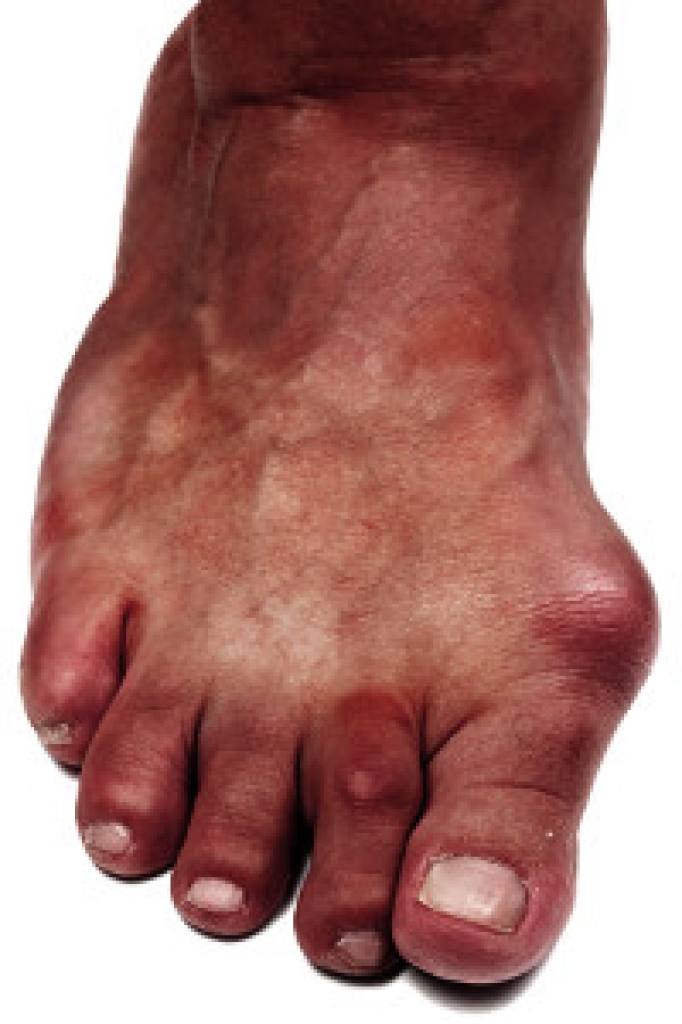 If you enjoy walking and exercising, the pain of a bunion may cause considerable interference in your enjoyment of these activities. They most commonly form at the base and side of the big toe, and could become worse by wearing shoes that do not fit properly. These types of shoes include those that have a narrow toe area, which does not have adequate room for the toes to move about in. When the bunion begins to form, the majority of shoes do not have ample room to accommodate the bony protrusion, and this may result in pain and stiffness emanating from the joint and surrounding areas. There are several ways to properly treat a bunion, and it typically begins with wearing the correct shoes that may eliminate painful pressure on the toe. If you feel you have developed a bunion, it’s suggested to consult with a podiatrist so the correct course of treatment can commence.
If you are suffering from bunion pain, contact Brent Harwood, DPM of Southeast Podiatry. Our doctor can provide the care you need to keep you pain-free and on your feet.
What Is a Bunion?
Bunions are painful bony bumps that usually develop on the inside of the foot at the joint of the big toe. As the deformity increases over time, it may become painful to walk and wear shoes. Women are more likely to exacerbate existing bunions since they often wear tight, narrow shoes that shift their toes together. Bunion pain can be relieved by wearing wider shoes with enough room for the toes.
Causes
Symptoms
In order to diagnose your bunion, your podiatrist may ask about your medical history, symptoms, and general health. Your doctor might also order an x-ray to take a closer look at your feet. Nonsurgical treatment options include orthotics, padding, icing, changes in footwear, and medication. If nonsurgical treatments don’t alleviate your bunion pain, surgery may be necessary.
If you have any questions, please feel free to contact one of our offices located in Fairhope and Atmore, AL . We offer the newest diagnostic and treatment technologies for all your foot care needs.

Do you suffer from heel pain when you get up in the morning? If so, you should seek professional help and have a proper diagnosis performed. Heel pain can be caused by several different foot-related conditions.
 Severe pain and discomfort that is felt on the ball of the foot may be indicative of a condition that is referred to as Morton’s neuroma. It is often the result of nerves that become inflamed between the third and fourth toes, and is often known as a intermetatarsal neuroma. A major symptom of this condition is pain that is experienced on the bottom of the foot, possibly causing difficulty in walking. Many people may generally feel a tingling sensation in addition to feeling a burning sensitivity in the ball of the foot. A common reason for this condition to occur may be choosing to wear shoes that do not fit properly, and this may possibly cause the nerves in the foot to become irritated and inflamed. Additionally, performing certain activities may play a significant role in the formation of Morton’s neuroma. It’s advised to counsel with a podiatrist for proper treatments if you are afflicted with this ailment
Morton’s neuroma is a very uncomfortable condition to live with. If you think you have Morton’s neuroma, contact Brent Harwood, DPM of Southeast Podiatry. Our doctor will attend to all of your foot care needs and answer any of your related questions.
Morton’s Neuroma
Morton's neuroma is a painful foot condition that commonly affects the areas between the second and third or third and fourth toe, although other areas of the foot are also susceptible. Morton’s neuroma is caused by an inflamed nerve in the foot that is being squeezed and aggravated by surrounding bones.
What Increases the Chances of Having Morton’s Neuroma?
Morton’s neuroma is a very treatable condition. Orthotics and shoe inserts can often be used to alleviate the pain on the forefront of the feet. In more severe cases, corticosteroids can also be prescribed. In order to figure out the best treatment for your neuroma, it’s recommended to seek the care of a podiatrist who can diagnose your condition and provide different treatment options.
If you have any questions, please feel free to contact one of our offices located in Fairhope and Atmore, AL . We offer the newest diagnostic and treatment technologies for all your foot care needs.

You don't need an excuse to have beautiful nails. Step outside without worrying about the appearance of your feet.