
Blog

Facts About Bunions

Bunions, characterized by a bony bump on the side of the big toe, are often caused by genetic factors, wearing ill-fitting shoes, or excessive foot pressure. The condition arises when the big toe deviates towards the second toe, leading to a misalignment at the joint. Symptoms typically include pain, swelling, and redness surrounding the affected area, along with difficulty in finding comfortable shoes. To manage bunions, it is essential to wear properly fitting shoes with ample room for the toes and avoid high heels. In cases of severe discomfort or worsening deformity, consulting a podiatrist to talk about potential surgical options may be necessary. If you have developed a bunion, it is suggested that you are under the care of this type of doctor who can guide you toward the necessary treatment methods.

If you are suffering from bunions, contact Brent Harwood, DPM of Southeast Podiatry. Our doctor can provide the care you need to keep you pain-free and on your feet.

What Is a Bunion?

A bunion is formed of swollen tissue or an enlargement of boney growth, usually located at the base joint of the toe that connects to the foot. The swelling occurs due to the bones in the big toe shifting inward, which impacts the other toes of the foot. This causes the area around the base of the big toe to become inflamed and painful.

Why Do Bunions Form?

Genetics – Susceptibility to bunions are often hereditary

Stress on the feet – Poorly fitted and uncomfortable footwear that places stress on feet, such as heels, can worsen existing bunions

How Are Bunions Diagnosed?

Podiatrists often perform two tests – blood tests and x-rays – when trying to diagnose bunions, especially in the early stages of development. Blood tests help determine if the foot pain is being caused by something else, such as arthritis, while x-rays provide a clear picture of your bone structure to your provider.

How Are Bunions Treated?

  • Refrain from wearing heels or similar shoes that cause discomfort
  • Select wider shoes that can provide more comfort and reduce pain
  • Anti-inflammatory and pain management drugs
  • Orthotics or foot inserts
  • Surgery

If you have any questions, please feel free to contact one of our offices located in Fairhope and Atmore, AL . We offer the newest diagnostic and treatment technologies for all your foot care needs.

Read more about Bunions

Heel Pain in the Morning?

Heel pain can negatively affect your day-to-day life. Simple activities like walking can become incredibly uncomfortable or painful due to heel pain.

Don’t live with heel pain and get treated.

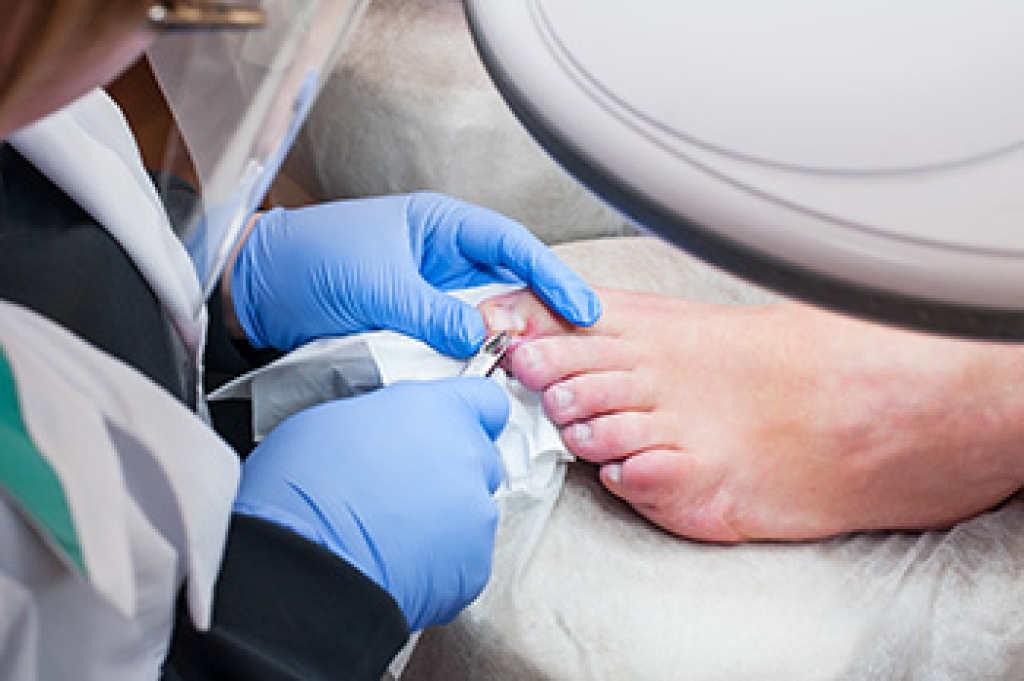
Types of Ingrown Toenail Surgery

When home treatments fail to alleviate the pain and discomfort of an ingrown toenail, surgical intervention may become necessary. A podiatrist plays an essential role in diagnosing the severity of the ingrown toenail and recommending the most suitable treatment. Surgery for ingrown toenails is generally reserved for severe cases, especially if there's an infection or if the individual has a condition, like diabetes, that complicates healing. One common surgical procedure is the wedge resection, where a portion of the toenail is removed to prevent it from growing into the skin. In more extreme cases, a total toenail removal might be performed, which involves the complete removal of the nail to prevent recurrence. Another option, matrixectomy, involves the removal of the nail bed to stop future nail growth altogether. These procedures are typically performed under local anesthesia, allowing for quick recovery. After ingrown toenail surgery, maintaining a clean and dry wound is essential to prevent infection. If you have an ingrown toenail that is causing extreme pain, it is suggested that you make an appointment with a podiatrist to find out if surgery is needed.

Ingrown toenails can become painful if they are not treated properly. For more information about ingrown toenails, contact Brent Harwood, DPM of Southeast Podiatry. Our doctor can provide the care you need to keep you pain-free and on your feet.

Ingrown Toenails

Ingrown toenails occur when a toenail grows sideways into the bed of the nail, causing pain, swelling, and possibly infection.

Causes

  • Bacterial infections
  • Improper nail cutting such as cutting it too short or not straight across
  • Trauma to the toe, such as stubbing, which causes the nail to grow back irregularly
  • Ill-fitting shoes that bunch the toes too close together
  • Genetic predisposition

Prevention

Wearing proper fitting shoes and using proper cutting techniques will also help decrease your risk of developing ingrown toenails.

Treatment

Ingrown toenails are a very treatable foot condition. In minor cases, soaking the affected area in salt or antibacterial soaps will not only help with the ingrown nail itself, but also help prevent any infections from occurring. In more severe cases, surgery is an option. In either case, speaking to your podiatrist about this condition will help you get a better understanding of specific treatment options that are right for you.

If you have any questions, please feel free to contact one of our offices located in Fairhope and Atmore, AL . We offer the newest diagnostic and treatment technologies for all your foot care needs.

Read more about Ingrown Toenails

Heel Pain Can Be Treated!

Do you suffer from heel pain when you get up in the morning? If so, you should seek professional help and have a proper diagnosis performed. Heel pain can be caused by several different foot-related conditions.

Types and Causes of Ankle Dislocations

Ankle dislocations are serious injuries where the bones in this complex joint lose their proper alignment. An ankle dislocation usually involves the shin bone, or tibia, and the foot bone, or talus, coming apart. Often, this injury is accompanied by breaks in the lower parts of the shin bones and damage to the ligaments that keep the ankle stable. In rare cases, just the ligaments can be injured, causing dislocation. These injuries are typically caused by trauma such as falls, car accidents, or sports injuries. The direction of dislocation depends on how the foot is positioned and the force applied. For example, when the foot points downward, the ankle might dislocate backwards. Twisting injuries can cause the ankle to dislocate sideways. Dislocations are very painful. They often cause visible deformity, swelling, bruising, and possible numbness or tingling if nerves are affected. Standing or walking is often impossible. If you believe your ankle may be dislocated, it is suggested that you make an emergency appointment with a podiatrist for an exam and treatment.

Ankle pain can be caused by a number of problems and may be potentially serious. If you have ankle pain, consult with Brent Harwood, DPM from Southeast Podiatry. Our doctor will assess your condition and provide you with quality foot and ankle treatment.

Ankle pain is any condition that causes pain in the ankle. Due to the fact that the ankle consists of tendons, muscles, bones, and ligaments, ankle pain can come from a number of different conditions.

Causes

The most common causes of ankle pain include:

  • Types of arthritis (rheumatoid, osteoarthritis, and gout)
  • Ankle sprains
  • Broken ankles
  • Achilles tendonitis
  • Achilles tendon rupture
  • Stress fractures
  • Bursitis
  • Tarsal tunnel syndrome
  • Plantar fasciitis

Symptoms

Symptoms of ankle injury vary based upon the condition. Pain may include general pain and discomfort, swelling, aching, redness, bruising, burning or stabbing sensations, and/or loss of sensation.

Diagnosis

Due to the wide variety of potential causes of ankle pain, podiatrists will utilize a number of different methods to properly diagnose ankle pain. This can include asking for personal and family medical histories and of any recent injuries. Further diagnosis may include sensation tests, a physical examination, and potentially x-rays or other imaging tests.

Treatment

Just as the range of causes varies widely, so do treatments. Some more common treatments are rest, ice packs, keeping pressure off the foot, orthotics and braces, medication for inflammation and pain, and surgery.

If you have any questions please feel free to contact one of our offices located in Fairhope and Atmore, AL . We offer the newest diagnostic tools and technology to treat your foot and ankle needs.

Read more about Ankle Pain