Blog

Causes and Symptoms of Gout

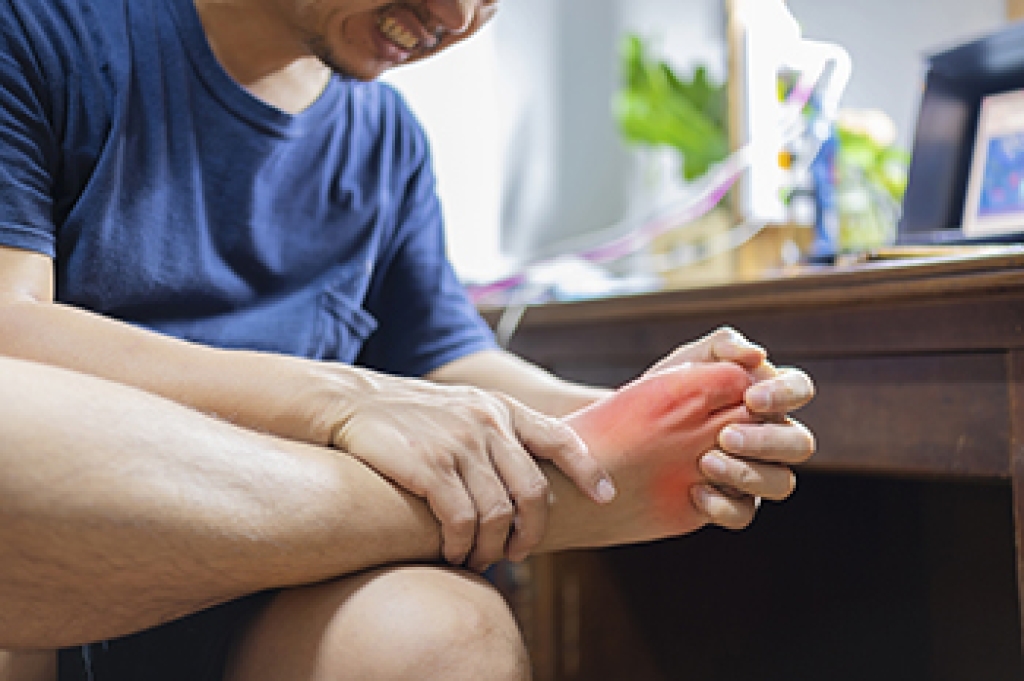
Gout is a form of arthritis that results in sudden, severe pain, swelling, and redness, often affecting the big toe. It is more common in men, particularly those over the age of 40, although it can affect women, especially after menopause. Gout occurs when excess uric acid builds up in the bloodstream, forming sharp crystals that accumulate in the joints. This typically happens due to dietary factors, such as consuming high-purine foods like red meat, shellfish, and alcohol. Additionally, obesity, dehydration, or certain medical conditions like high blood pressure or diabetes can significantly contribte to developing gout. During a gout attack, the affected joint becomes intensely painful, swollen, and inflamed. While medication can help control symptoms, recurring gout attacks can lead to joint damage over time. A podiatrist can help manage gout by providing treatments like anti-inflammatory medications, dietary guidelines, and customized footwear to reduce joint stress. They can also assist in preventing future flare-ups. If you are experiencing gout symptoms, it is suggested that you schedule an appointment with a podiatrist.

Gout is a foot condition that requires certain treatment and care. If you are seeking treatment, contact Brent Harwood, DPM from Southeast Podiatry. Our doctor will treat your foot and ankle needs.

What Is Gout?

Gout is a type of arthritis caused by a buildup of uric acid in the bloodstream. It often develops in the foot, especially the big toe area, although it can manifest in other parts of the body as well. Gout can make walking and standing very painful and is especially common in diabetics and the obese.

People typically get gout because of a poor diet. Genetic predisposition is also a factor. The children of parents who have had gout frequently have a chance of developing it themselves.

Gout can easily be identified by redness and inflammation of the big toe and the surrounding areas of the foot. Other symptoms include extreme fatigue, joint pain, and running high fevers. Sometimes corticosteroid drugs can be prescribed to treat gout, but the best way to combat this disease is to get more exercise and eat a better diet.

If you have any questions, please feel free to contact one of our offices located in Fairhope and Atmore, AL . We offer the newest diagnostic and treatment technologies for all your foot care needs.

Read more about Everything You Need to Know About Gout

Are You Suffering From Nerve Damage?

Neuropathy is a condition that can lead to numbness or loss of sensation in the feet, but it can also cause pain. This condition is more likely to develop for those who are diabetic, obese, or with high blood pressure.

How Psoriatic Arthritis Affects the Feet

Psoriatic arthritis, or PsA, often affects the feet, leading to inflammation and discomfort in the toes, ankles, and heels. Psoriatic arthritis can cause inflammation where tendons or ligaments attach to bones, commonly affecting the Achilles tendon and the plantar fascia. It also may result in dactylitis, or sausage toes, which involves swelling of the entire toe that makes walking and wearing shoes painful. Nail changes, such as pitting or separation from the nail bed, are also common with PsA. It also can lead to joint damage and deformities if left untreated, causing significant limitations in mobility. A podiatrist can provide valuable care by addressing symptoms with treatments aimed at reducing pain and inflammation. Other measures include prescribing orthotics to support affected areas and suggesting ways to help manage the condition effectively. Regular care from a podiatrist can improve comfort, prevent further joint damage, and enhance mobility. If you have foot problems related to psoriatic arthritis, it is suggested that you schedule an appointment with a podiatrist for treatment options.

Arthritis can be a difficult condition to live with. If you are seeking treatment, contact Brent Harwood, DPM from Southeast Podiatry. Our doctor can provide the care you need to keep you pain-free and on your feet.

Arthritic Foot Care  

Arthritis is a joint disorder that involves the inflammation of different joints in your body, such as those in your feet. Arthritis is often caused by a degenerative joint disease and causes mild to severe pain in all affected areas. In addition to this, swelling and stiffness in the affected joints can also be a common symptom of arthritis.

In many cases, wearing ill-fitting shoes can worsen the effects and pain of arthritis. Wearing shoes that have a lower heel and extra room can help your feet feel more comfortable. In cases of rheumatoid arthritis, the arch in your foot may become problematic. Buying shoes with proper arch support that contour to your feet can help immensely.

Alleviating Arthritic Pain

  • Exercises that stretch the foot can prevent further pain and injury and increase mobility
  • Most of the pain can be alleviated with anti-inflammatory drugs, heat, and topical medications
  • Massages can help temporarily alleviate pain.

It is best to see your doctor for the treatment that is right for your needs and symptoms. Conditions vary, and a podiatrist can help you determine the right method of care for your feet.

If you have any questions please feel free to contact one of our offices located in Fairhope and Atmore, AL . We offer the newest diagnostic tools and technology to treat your foot and ankle needs.

Read more about Arthritic Foot Care

The Purpose of Diabetic Limb Salvage

Limb salvage surgery is a medical procedure aimed at preserving a limb that may otherwise require amputation due to severe injury, infection, or complications from conditions such as diabetes. In diabetic limb salvage, the primary goal is to prevent amputation by addressing issues like diabetic foot ulcers, infections, and poor circulation that are common among individuals with diabetes. The procedure typically involves cleaning and debriding infected tissue, improving blood flow through vascular surgery, and sometimes reconstructing damaged bone or soft tissue. In some cases, the surgeon may use skin grafts or other techniques to promote healing. By preserving the limb, limb salvage surgery allows for better functionality and quality of life. Early intervention and ongoing care are essential for a successful outcome, as untreated diabetic complications can lead to more severe consequences. If you have diabetes, it is strongly suggested that you are under the care of a podiatrist who can help you manage this condition and discuss the limb salvage procedure with you.

Diabetic Limb Salvage

Diabetic limb salvage can be an effective way in preventing the need for limb amputation. If you have a foot ulcer and diabetes, consult with Brent Harwood, DPM from Southeast Podiatry. Our doctor will assess your condition and provide you with quality foot and ankle treatment.

What Is Diabetic Limb Salvage?

Diabetic limb salvage is the attempt of saving a limb, such as the foot, that has an infected ulcer, from amputation. Podiatrists also try to make sure that there is enough function in the foot after the salvage that it is still usable. Those with diabetes experience poor blood circulation, which prevents proper healing of an ulcer. If the ulcer is left uncheck, it could become infected, which could result in the need for amputation.

Diabetes is the number one cause of non-traumatic amputations in the United States. Amputation has been found to lead to higher mortality rates. This translates into higher healthcare costs, and a reduced quality of life and mobility for amputees. Podiatrists have attempted to increase the prevalence of limb salvage in an attempt to solve these issues.

Diagnosis and Treatment

Limb salvage teams have grown in recent years that utilize a number of different treatments to save the infected limb. This includes podiatrists that specialize in wound care, rehabilitation, orthotics, and surgery. Through a combination of these methods, limb salvage has been found to be an effective treatment for infected limbs, and as an alternative to amputation. Podiatrists will first evaluate the potential for limb salvage and determine if the limb can be saved or must be amputated. 

If you have any questions, please feel free to contact one of our offices located in Fairhope and Atmore, AL . We offer the newest diagnostic and treatment technologies for all your foot care needs.

Read more about Diabetic Limb Salvage