Blog

What Are Plantar Warts?

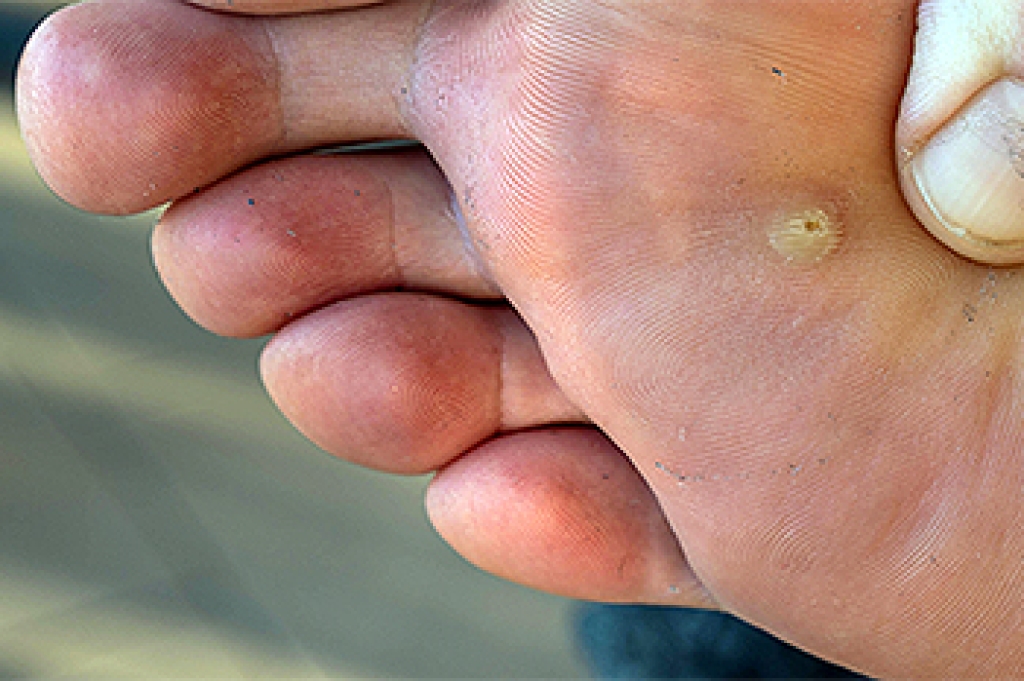
Plantar warts are small growths caused by the human papillomavirus, or HPV, that typically develop on the soles of the feet. They often appear as rough, grainy lesions with tiny black dots, which are clotted blood vessels. Symptoms can include discomfort or pain when walking or standing, especially if the wart is located over a weight-bearing area like the heel or ball of the foot. Plantar warts spread through direct contact with the virus, thriving in warm, moist environments like communal showers or swimming pools. The virus can enter the body through small cuts or breaks in the skin. Individuals with weakened immune systems or who walk barefoot in public places are more susceptible. If you have developed a plantar wart, it is suggested that you consult a podiatrist who can effectively treat this condition, which often includes in-office treatment.

Plantar warts can be very uncomfortable. If you need your feet checked, contact Brent Harwood, DPM from Southeast Podiatry. Our doctor will assist you with all of your foot and ankle needs.

About Plantar Warts

Plantar warts are the result of HPV, or human papillomavirus, getting into open wounds on the feet. They are mostly found on the heels or balls of the feet.

While plantar warts are generally harmless, those experiencing excessive pain or those suffering from diabetes or a compromised immune system require immediate medical care. Plantar warts are easily diagnosed, usually through scraping off a bit of rough skin or by getting a biopsy.

Symptoms

  • Lesions on the bottom of your feet, usually rough and grainy
  • Hard or thick callused spots
  • Wart seeds, which are small clotted blood vessels that look like little black spots
  • Pain, discomfort, or tenderness of your feet when walking or standing

Treatment

  • Freezing
  • Electric tool removal
  • Laser Treatment
  • Topical Creams (prescription only)
  • Over-the-counter medications

To help prevent developing plantar warts, avoid walking barefoot over abrasive surfaces that can cause cuts or wounds for HPV to get into. Avoiding direct contact with other warts, as well as not picking or rubbing existing warts, can help prevent the further spread of plantar warts. However, if you think you have developed plantar warts, speak to your podiatrist. He or she can diagnose the warts on your feet and recommend the appropriate treatment options.

If you have any questions, please feel free to contact one of our offices located in Fairhope and Atmore, AL . We offer the newest diagnostic and treatment technologies for all your foot care needs.


Read more about All About Plantar Warts

Wounds That Don't Heal Need to Be Checked

Your feet are covered most of the day. If you're diabetic, periodic screening is important for good health. Numbness is often a sign of diabetic foot and can mask a sore or wound.

Common Dance Injuries

In the world of dance and sports, foot injuries are unfortunately common but manageable with proper care. Dancers, in particular, are prone to conditions like stress fractures, tendonitis, and ankle sprains due to repetitive movements and intense physical demands. These injuries often stem from overuse, improper technique, or inadequate footwear. Relief typically involves gentle stretching and strengthening exercises. However, an accurate diagnosis and targeted treatment plans are key, making a podiatrist's expertise invaluable. This type of foot doctor can offer specialized care and recommend strategies tailored to a dancer's unique needs. If you are experiencing persistent pain or suspect a foot injury, a podiatrist can help you recover effectively and safely, ensuring you can return to your passion for dance with confidence and reduced risk of recurrence. It is suggested that you schedule an appointment with a podiatrist today.

Ankle and foot injuries are common among athletes and in many sports. They can be caused by several problems and may be potentially serious. If you are feeling pain or think you were injured in a sporting event or when exercising, consult with Brent Harwood, DPM from Southeast Podiatry. Our doctor will assess your condition and provide you with quality foot and ankle treatment.

Common Injuries

The most common injuries that occur in sporting activities include:

  • Achilles Tendonitis
  • Achilles Tendon Rupture
  • Ankle Sprains
  • Broken Foot
  • Plantar Fasciitis
  • Stress Fractures
  • Turf Toe

Symptoms

Symptoms vary depending upon the injury and in some cases, there may be no symptoms at all. However, in most cases, some form of symptom is experienced. Pain, aching, burning, bruising, tenderness, tightness or stiffness, sensation loss, difficulty moving, and swelling are the most common symptoms.

Treatment

Just as symptoms vary depending upon the injury, so do treatment options. A common treatment method is known as the RICE method. This method involves rest, applying ice, compression and elevating the afflicted foot or ankle. If the injury appears to be more serious, surgery might be required, such as arthroscopic or reconstructive surgery. Lastly, rehabilitation or therapy might be needed to gain full functionality in the afflicted area. Any discomfort experienced by an athlete must be evaluated by a licensed, reputable medical professional.  

If you have any questions please contact one of our offices located in Fairhope and Atmore, AL . We offer the newest diagnostic and treatment technologies for all your foot and ankle needs.

Read more about Sports Related Foot and Ankle Injuries

Why Live with Pain and Numbness in Your Feet?

Suffering from this type of pain? You may have the foot condition known as Morton's neuroma. Morton's neuroma may develop as a result of ill-fitting footwear and existing foot deformities. We can help.

Considerations for Bunion Surgery

If you think you might be a candidate for bunion surgery, here are key factors to help guide your decision. Bunions are painful bumps on the side of your big toe that develop when the base of the toe pushes outward. Bunion formation is often due to genetics and wearing ill-fitting shoes, particularly high heels. Bunion pain can be managed through various non-surgical treatments such as wearing supportive shoes, and having pain medications or cortisone shots. If these methods fail and the bunion severely impacts your daily life, surgery becomes an option. The type of surgical procedure depends on the severity of the bunion, with moderate cases typically involving shaving the bump and correcting the toe joint's angle. Recovery includes wearing a special boot for a few weeks, and managing bruising and swelling. Delaying surgery can lead to more complex procedures with longer recovery times. A podiatrist will guide you through the recovery process, including follow-up visits to monitor for complications like infections. Keep in mind that surgery may not be a permanent solution, especially if you are genetically predisposed to bunions. Wearing proper shoes and avoiding injuries post-surgery can help maintain the results. If you have a bunion that is causing extreme discomfort, it is suggested that you schedule an appointment with a podiatrist to find out if bunion surgery is right for you.

Foot surgery is sometimes necessary to treat a foot ailment. To learn more, contact Brent Harwood, DPM of Southeast Podiatry. Our doctor will assist you with all of your foot and ankle needs.

When Is Surgery Necessary?

Foot and ankle surgery is generally reserved for cases in which less invasive, conservative procedures have failed to alleviate the problem. Some of the cases in which surgery may be necessary include:

  • Removing foot deformities like bunions and bone spurs
  • Severe arthritis that has caused bone issues
  • Cosmetic reconstruction

What Types of Surgery Are There?

The type of surgery you receive will depend on the nature of the problem you have. Some of the possible surgeries include:

  • Bunionectomy for painful bunions
  • Surgical fusion for realignment of bones
  • Neuropathy decompression surgery to treat nerve damage

Benefits of Surgery

Although surgery is usually a last resort, it can provide more complete pain relief compared to non-surgical methods and may allow you to finally resume full activity.

Surgical techniques have also become increasingly sophisticated. Techniques like endoscopic surgery allow for smaller incisions and faster recovery times.

If you have any questions, please feel free to contact one of our offices located in Fairhope and Atmore, AL . We offer the newest diagnostic and treatment technologies for all your foot care needs.

Read more about Foot and Ankle Surgery