Blog

How Do I Know if I Have Gout?

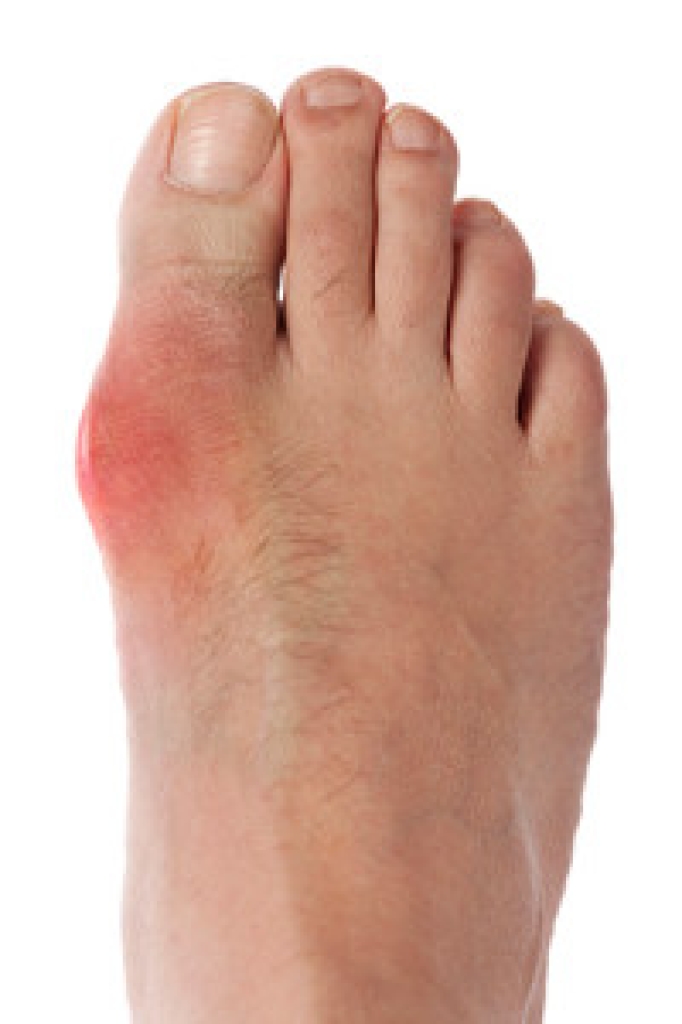
The general cause of a condition referred to as gout is an excess of uric acid that accumulates in the body. The big toe is typically affected, and obvious symptoms may include intense pain, swelling, and redness in the surrounding areas. It will often appear as an inflamed protrusion on the side of the big toe, and may affect the ability to walk. Research has shown that it may be a controllable condition and may occur because of the foods that are ingested. There may be several  items that may fall into this category, including the consumption of red meat, an excessive salty foods, and any type of shellfish. Drinking excess alcohol may also lead to the development of gout, in addition to a family history of high blood pressure. Occasionally, there may be specific medical conditions in which the body has difficulty eliminating uric acid, such as kidney or thyroid ailments. The treatment for gout can vary, so it’s advised to consult with a podiatrist for a proper diagnosis.

Gout is a painful condition that can be treated. If you are seeking treatment, contact Brent Harwood, DPM from Southeast Podiatry. Our doctor will treat your foot and ankle needs.

What Is Gout?

Gout is a form of arthritis that is characterized by sudden, severe attacks of pain, redness, and tenderness in the joints. The condition usually affects the joint at the base of the big toe. A gout attack can occur at any random time, such as the middle of the night while you are asleep.

Symptoms

  • Intense Joint Pain - Usually around the large joint of your big toe, and it most severe within the first four to twelve hours
  • Lingering Discomfort - Joint discomfort may last from a few days to a few weeks
  • Inflammation and Redness -Affected joints may become swollen, tender, warm and red
  • Limited Range of Motion - May experience a decrease in joint mobility

Risk Factors

  • Genetics - If family members have gout, you’re more likely to have it
  • Medications - Diuretic medications can raise uric acid levels
  • Gender/Age - Gout is more common in men until the age of 60. It is believed that estrogen protects women until that point
  • Diet - Eating red meat and shellfish increases your risk
  • Alcohol - Having more than two alcoholic drinks per day increases your risk
  • Obesity - Obese people are at a higher risk for gout

Prior to visiting your podiatrist to receive treatment for gout, there are a few things you should do beforehand. If you have gout you should write down your symptoms--including when they started and how often you experience them, important medical information you may have, and any questions you may have. Writing down these three things will help your podiatrist in assessing your specific situation so that he or she may provide the best route of treatment for you.

If you have any questions, please feel free to contact one of our offices located in Fairhope and Atmore, AL . We offer the newest diagnostic and treatment technologies for all your foot care needs.
Read more about Everything You Need to Know About Gout

Heel Pain Can Be Treated!

Do you suffer from heel pain when you get up in the morning? If so, you should seek professional help and have a proper diagnosis performed. Heel pain can be caused by several different foot-related conditions.

Are Medical Conditions Related to our Feet?

It has often been recognized that many conditions concerning the feet may be indicative of the overall health of the body. If muscle spasms in the feet are experienced, it may be a result of certain vitamin deficiencies, which may cause dehydration. Additionally, if the feet are generally cold for a majority of the time, health issues such as diabetes or anemia may be present. Swollen and tender feet may represent the body’s inability to properly circulate the blood. Gout, a form of arthritis, is an extremely painful condition that typically affects men. This ailment is often triggered by a buildup of uric acid crystals, caused by ingesting excessive alcohol or meat. A condition referred to as foot drop indicates difficulty in lifting the front of the foot. This may be a result of the body incurring nerve damage, possibly originating from a leg injury. It’s suggested to consult with a podiatrist if you are affected by any of these conditions.

When dealing with systemic disease of the feet, it is extremely important to check the affected areas routinely so that any additional problems are caught quickly.  If you have any concerns about your feet and ankles contact Brent Harwood, DPM from Southeast Podiatry. Our doctor will assist you with all of your podiatric needs.

Systemic Diseases of the Feet

Systemic diseases affect the whole body, and symptoms usually are displayed in the feet. This condition can make a patient’s ability to walk unbearable.  Systemic diseases include gout, diabetes mellitus, neurological disorders, and arthritis.

Gout – is caused by an excess of uric acid in the body. Common symptoms include pain, inflammation, and redness at the metatarsal/phalangeal joint of the base big toe. Gout can be treated by NSAIDs to relieve pain and inflammation, and other drugs that lower the acid levels in the body.

Diabetes mellitus – is an increase in the level of blood sugar that the body cannot counteract with its own insulin. Failure to produce enough insulin is a factor in Diabetes.

Diabetes of the Feet

Diabetic Neuropathy – may lead to damaged nerves and affect the feet through numbness and loss of sensation.

Peripheral Vascular Disease – can restrict the blood flow to the feet, and often times lead to amputation of the feet. 

If you have any questions please contact one of our offices located in Fairhope and Atmore, AL . We offer the newest diagnostic and treatment technologies for all your foot and ankle needs.

Read more about Systemic Diseases of the Foot

It's Time for Beautiful Feet

You don't need an excuse to have beautiful nails. Step outside without worrying about the appearance of your feet.

The Importance of Choosing the Proper Running Shoe

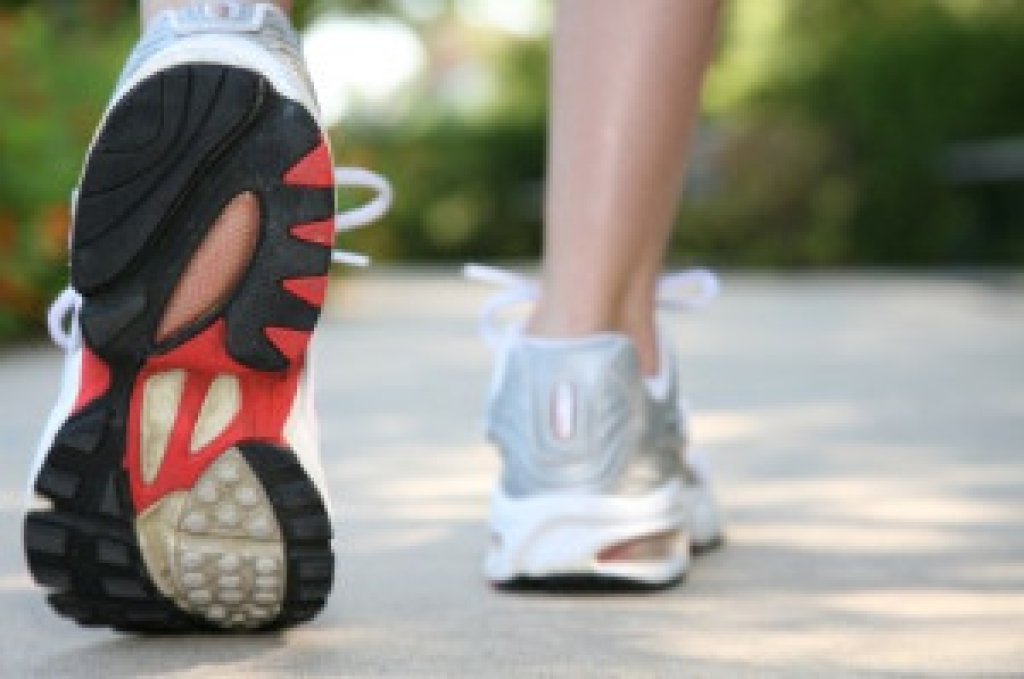
The feet are the foundation of the body, and the majority of runners are aware of the importance of choosing to wear proper running shoes. It’s helpful to be aware of your foot’s shape, as this will aid in buying shoes that fit properly. Shoes with added stability are often purchased by runners who have flat feet, and runners with exceptionally high arches are prone to choose shoes that have additional padding. Typically, most runners will go up half a size when buying running shoes, which will allow ample room for the toes to move about. When the right shoes are chosen that are a perfect fit for your feet, the sport of running may be enjoyed to its fullest extent.

If you are a runner, wearing the right running shoe is essential. For more information, contact Brent Harwood, DPM from Southeast Podiatry. Our doctor can provide the care you need to keep you pain-free and on your feet.

Choosing the Right Running Shoe for Your Foot Type

To increase performance and avoid the risk of injury, it is important to choose the right running shoe based on your foot type. The general design of running shoes revolves around pronation, which is how the ankle rolls from outside to inside when the foot strikes the ground.

  • Neutral runners are able to choose from a wide variety of shoes, including minimalist shoes or even going barefoot.
  • Runners who overpronate, or experience an over-abundance of ankle rolling, should choose shoes that provide extra motion control and stability.
  • Runners who underpronate, or supinate, have feet that have high arches and lack flexibility, preventing shock absorption. They require shoes with more flexibility and cushion.

If you have any questions, please feel free to contact one of our offices located in Fairhope and Atmore, AL . We offer the newest diagnostic and treatment technologies for all your foot care needs.

Read more about Choosing the Right Running Shoe for Your Foot Type