Blog

Foot And Ankle Problems That Can Affect Golfers

Golf may look like a low impact sport, but the feet and ankles work hard throughout a round. Players often walk several miles on uneven terrain while repeatedly shifting weight during each shot. These combined demands can place stress on the joints, tendons, and ligaments of the lower extremities. Common injuries include ankle sprains, tendon inflammation, heel pain, and stress injuries in the midfoot. The twisting motion of the body during play can also aggravate existing conditions such as plantar fasciitis or arthritis. Wearing poor footwear with inadequate support may increase the strain on the feet during long rounds. Paying attention to early discomfort can help prevent a small problem from becoming a lasting injury. A podiatrist can evaluate foot mechanics and recommend treatment or supportive devices, when needed. If you develop persistent foot or ankle pain while playing golf, it is suggested that you see a podiatrist for a proper diagnosis and appropriate treatment.

Sports related foot and ankle injuries require proper treatment before players can go back to their regular routines. For more information, contact Brent Harwood, DPM of Southeast Podiatry. Our doctor can provide the care you need to keep you pain-free and on your feet.

Sports Related Foot and Ankle Injuries

Foot and ankle injuries are a common occurrence when it comes to athletes of any sport. While many athletes dismiss the initial aches and pains, the truth is that ignoring potential foot and ankle injuries can lead to serious problems. As athletes continue to place pressure and strain the area further, a mild injury can turn into something as serious as a rupture and may lead to a permanent disability. There are many factors that contribute to sports related foot and ankle injuries, which include failure to warm up properly, not providing support or wearing bad footwear. Common injuries and conditions athletes face, including:

  • Plantar Fasciitis
  • Achilles Tendinitis
  • Achilles Tendon Rupture
  • Ankle Sprains

Sports related injuries are commonly treated using the RICE method. This includes rest, applying ice to the injured area, compression and elevating the ankle. More serious sprains and injuries may require surgery, which could include arthroscopic and reconstructive surgery. Rehabilitation and therapy may also be required in order to get any recovering athlete to become fully functional again. Any unusual aches and pains an athlete sustains must be evaluated by a licensed, reputable medical professional.

If you have any questions please contact one of our offices located in Fairhope and Atmore, AL . We offer the newest diagnostic and treatment technologies for all your foot and ankle needs.

Read more about Sports Related Foot And Ankle Injuries

Let the Expert Treat Your Ingrown Toenails

Ingrown toenails can be painful and can make wearing shoes or walking uncomfortable. Seek professional help if you believe you've developed an ingrown toenail and be treated safely. 

Injection Therapy for Painful Morton Neuroma

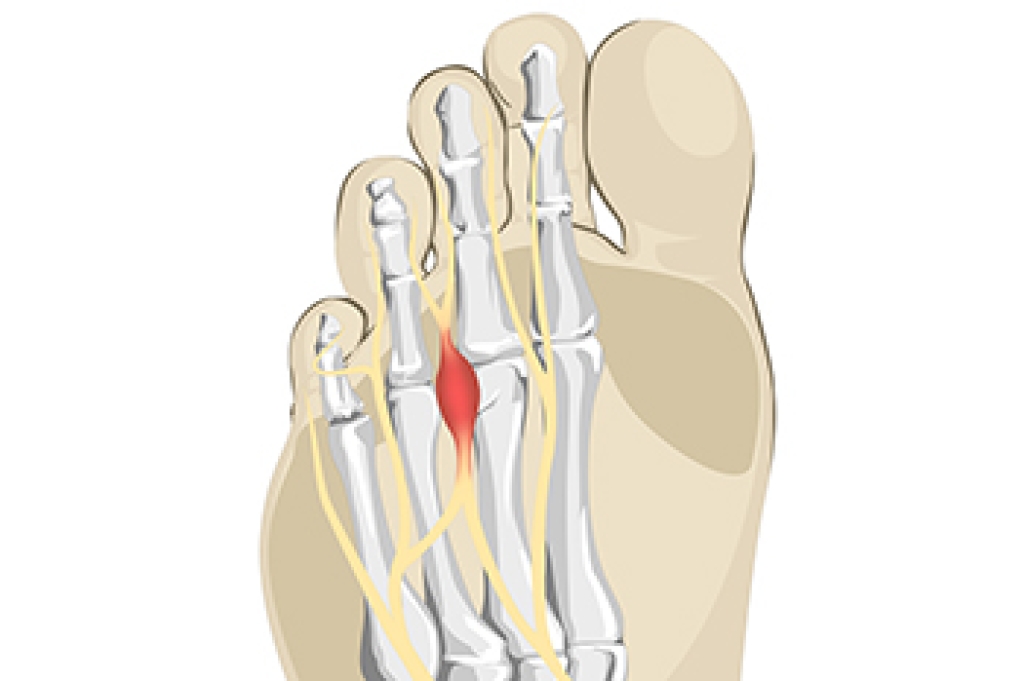
Morton neuroma is a nerve-related condition that causes burning pain, tingling, or numbness in the ball of the foot. It usually develops between the third and fourth toes when the nerve becomes irritated and thickened from repeated pressure. Wearing tight shoes, high heels, and high impact activities often worsen the problem. When shoe changes, padding, and activity modification do not bring relief, injection therapy may be considered. This treatment involves carefully placing medication around the affected nerve to reduce inflammation and calm nerve irritation. Corticosteroid injections are commonly used to decrease swelling and pressure in the surrounding tissues. Some patients also receive alcohol-based injections that help shrink the enlarged nerve over time. These treatments are performed in a clinical setting and are designed to relieve pain while improving walking comfort. When persistent forefoot pain suggests Morton neuroma, a consultation with a podiatrist is suggested to discuss diagnosis and appropriate treatment options.

Morton’s neuroma is a very uncomfortable condition to live with. If you think you have Morton’s neuroma, contact Brent Harwood, DPM of Southeast Podiatry. Our doctor will attend to all of your foot care needs and answer any of your related questions.  

Morton’s Neuroma

Morton's neuroma is a painful foot condition that commonly affects the areas between the second and third or third and fourth toe, although other areas of the foot are also susceptible. Morton’s neuroma is caused by an inflamed nerve in the foot that is being squeezed and aggravated by surrounding bones.

What Increases the Chances of Having Morton’s Neuroma?

  • Ill-fitting high heels or shoes that add pressure to the toe or foot
  • Jogging, running or any sport that involves constant impact to the foot
  • Flat feet, bunions, and any other foot deformities

Morton’s neuroma is a very treatable condition. Orthotics and shoe inserts can often be used to alleviate the pain on the forefront of the feet. In more severe cases, corticosteroids can also be prescribed. In order to figure out the best treatment for your neuroma, it’s recommended to seek the care of a podiatrist who can diagnose your condition and provide different treatment options.

If you have any questions, please feel free to contact one of our offices located in Fairhope and Atmore, AL . We offer the newest diagnostic and treatment technologies for all your foot care needs.

Read more about Morton's Neuroma

Heel Pain in the Morning?

Heel pain can negatively affect your day-to-day life. Simple activities like walking can become incredibly uncomfortable or painful due to heel pain.

Don’t live with heel pain and get treated.

When Your Child Needs a Foot or Ankle Brace

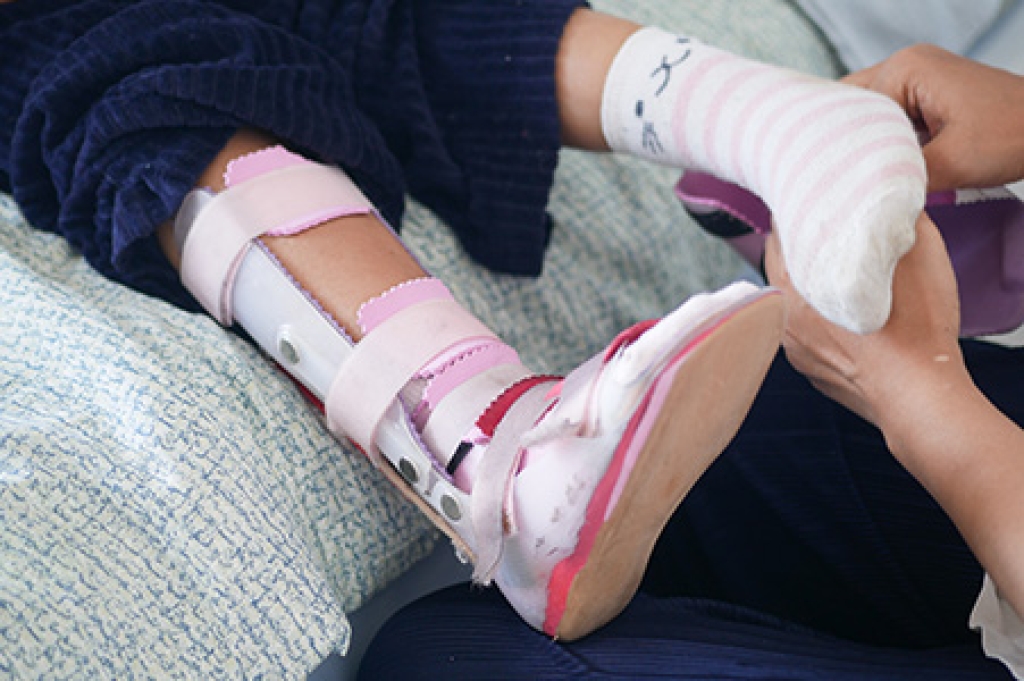
Braces are sometimes needed when a child has a foot or ankle condition that affects balance, walking, or the position of the toes. A brace can help guide the foot into a better alignment and support the ankle as the child grows. Some children who have flat feet, tight muscles, clubfoot, or ankle instability benefit from braces that connect to the shoe and keep the foot straight. Wearing a brace can feel unusual at first, and children need time to adapt, especially if they are used to softer shoes or flip-flops. A podiatrist can examine the feet, check for rubbing around the toes, and prescribe the appropriate brace so it fits correctly. A podiatrist can also monitor progress and decide how long the brace should be worn. If your child is suffering from a foot or ankle abnormality, it is suggested that you schedule an appointment with a podiatrist for a diagnosis and appropriate treatment.

The health of a child’s feet is vital to their overall well-being. If you have any questions regarding foot health, contact Brent Harwood, DPM of Southeast Podiatry. Our doctor can provide the care you need to keep you pain-free and on your feet.

Tips for Keeping Children's Feet Healthy

  • Make sure their shoes fit properly
  • Look for any signs of in-toeing or out-toeing
  • Check to see if they have Clubfoot (condition that affects your child’s foot and ankle, twisting the heel and toes inward) which is one of the most common nonmajor birth defects.
  • Lightly cover your baby’s feet (Tight covers may keep your baby from moving their feet freely, and could prevent normal development)
  • Allow your toddler to go shoeless (Shoes can be restricting for a young child’s foot)
  • Cut toenails straight across to avoid ingrown toenails
  • Keep your child’s foot clean and dry
  • Cover cuts and scrapes. Wash any scratches with soap and water and cover them with a bandage until they’ve healed.

If you have any questions, please feel free to contact one of our offices located in Fairhope and Atmore, AL . We offer the newest diagnostic and treatment technologies for all your foot care needs.

Read more about How to Care for Your Child's Feet