Blog

Treating a Blister

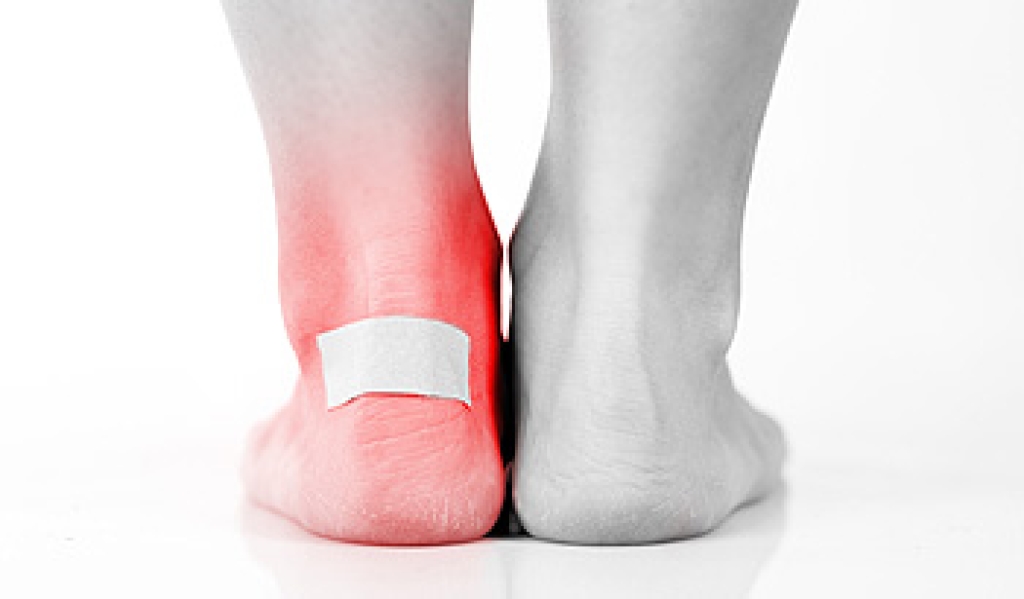
Blisters often form on the feet as a defense against damage to the skin. They take the form of fluid filled sacs on the outer layer of the skin of the feet, often developing in response to excess friction. Most commonly, blisters form because of ill-fitting footwear rubbing against the skin. Blisters themselves are wounds that will slowly heal on their own, however they can cause a great deal of discomfort. Other reasons why blisters may form can include sunburns, frostbite, eczema, allergic reactions, viral infections, and bacterial infections. To help heal a blister, it’s best to leave it alone. As stated before, they will heal on their own. It may be beneficial to protect the blister by covering it up with a bandage. Some natural remedies to help heal a blister can include applying aloe vera, as well as green tea, tea tree oil, and eucalyptus oil. For more information on how to help treat a blister, it’s suggested that you speak with a podiatrist.

Blisters are prone to making everyday activities extremely uncomfortable. If your feet are hurting, contact Brent Harwood, DPM of Southeast Podiatry. Our doctor can provide the care you need to keep you pain-free and on your feet.

Foot Blisters

Foot blisters develop as a result of constantly wearing tight or ill-fitting footwear. This happens due to the constant rubbing from the shoe, which can often lead to pain.

What Are Foot Blisters?

A foot blister is a small fluid-filled pocket that forms on the upper-most layer of the skin. Blisters are filled with clear fluid and can lead to blood drainage or pus if the area becomes infected.

How Do Blisters Form?

Blisters on the feet are often the result of constant friction of skin and material, usually by shoe rubbing. Walking in sandals, boots, or shoes that don’t fit properly for long periods of time can result in a blister. Having consistent foot moisture and humidity can easily lead to blister formation.

Prevention & Treatment

It is important to properly care for the affected area in order to prevent infection and ease the pain. Do not lance the blister and use a Band-Aid to provide pain relief. Also, be sure to keep your feet dry and wear proper fitting shoes. If you see blood or pus in a blister, seek assistance from a podiatrist.

If you have any questions, please feel free to contact one of our offices located in Fairhope and Atmore, AL . We offer the newest diagnostic and treatment technologies for all your foot care needs.


Read more about Blisters

Wounds That Don't Heal Need to Be Checked

Your feet are covered most of the day. If you're diabetic, periodic screening is important for good health. Numbness is often a sign of diabetic foot and can mask a sore or wound.

Preventative Steps for People Who Must Stand for Work

As many people know, there can be many transitions going into a new job.  However, people who go from sitting to standing all day may have to make key adjustments. The first step in caring for your feet is making sure to wear the proper footwear. Shoes should fit your feet well, have cushioning, and mold to your feet. While it may be hard depending on the type of job, it is important to find a balance between sitting and standing, and breaks may be needed when a balance is not possible.  However, if pain persists, it is important to consult with a podiatrist.  By consulting with a podiatrist early on in the process, further and more severe injuries can be prevented.

While working on the feet, it is important to take the proper care of them. For more information about working on your feet, contact Brent Harwood, DPM from Southeast Podiatry. Our doctor will treat your foot and ankle needs.

Working on Your Feet

Standing on your feet for long periods of time can cause stress and pain in your feet. Your whole body may experience change in terms of posture, back pain, bunions, callouses and or plantar warts. There are ways to avoid these conditions with proper foot care, smart choices and correct posture.

Positive Changes

Negative heeled shoe – Choosing this shoe type places the heel slightly lower than the ball of the foot. These are great for overall foot health. Find shoes that fit you correctly.

Go barefoot – Our feet were not designed to be enclosed for all hours of the day. Try to periodically expose your feet to air.

Eliminate Pain

Foot Exercises – Performing simple exercises, incorporating yoga and doing stretches are beneficial. This will allow increased blood flow to the area and muscles of the foot.

Achilles tendon – Stretching the foot out flat on the floor will relax the calf muscles and tendon. These exercises can be performed almost anywhere. Make sure you add these exercises to your daily regimen. 

With a little bit of this information and knowing more about foot health, you will notice changes. Foot stretches and proper footwear will help with pain and prevent further issues.

If you have any questions please contact one of our offices located in Fairhope and Atmore, AL . We offer the newest diagnostic and treatment technologies for all your foot and ankle needs.

Read more about How to Handle a Long Work Day on Your Feet

Reminder: When Was the Last Time...?

Custom orthotics, or shoe inserts, should be periodically replaced. Orthotics must fit properly to give you the best results. Protect your feet and ankles!

Common Signs of Toenail Fungus

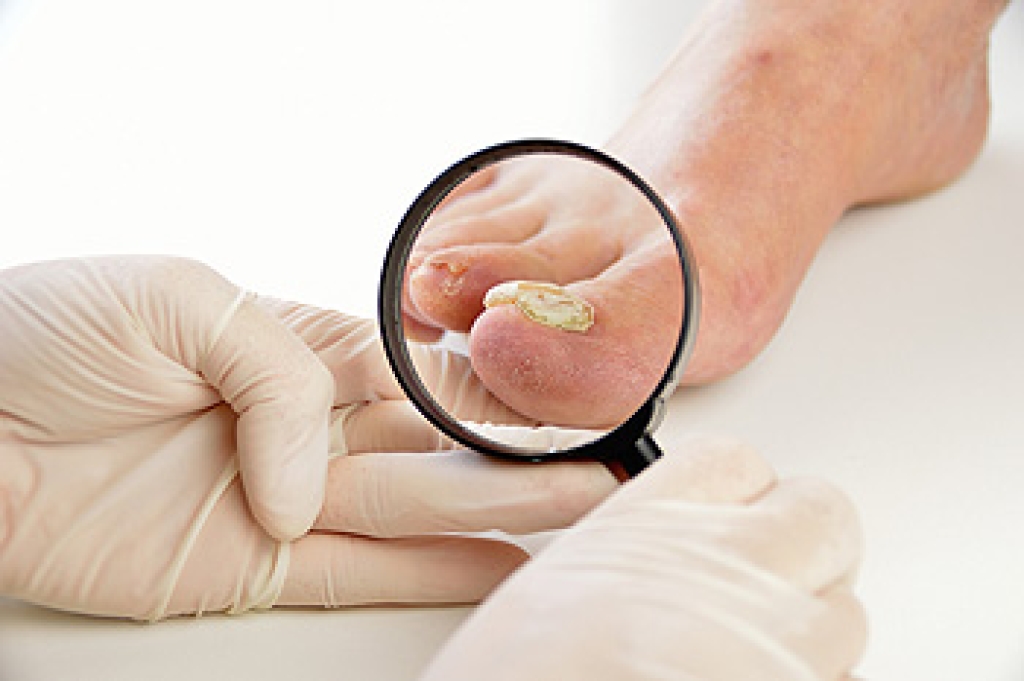
Toenail fungus is an unsightly foot condition that develops as a result of a fungal infection. This is considered to be contagious, and can be found in warm and moist environments. These often include public swimming pools, communal shower room floors, and locker rooms. Additionally, patients may develop this condition from having pedicures with tools that may not be properly disinfected. Existing medical conditions may lead to developing toenail fungus, which may consist of having diabetes, or a compromised immune system. If a toenail injury has occurred, it may weaken the nail, which may make it prone to contracting a fungus. Common symptoms that are associated with this ailment can include the toenail becoming thick and yellowed,  and in severe cases, it may become brittle and fall off. It is suggested that if you see symptoms of a toenail fungus developing, that you speak to a podiatrist who can properly treat this condition.

If left untreated, toenail fungus may spread to other toenails, skin, or even fingernails. If you suspect you have toenail fungus it is important to seek treatment right away. For more information about treatment, contact Brent Harwood, DPM of Southeast Podiatry. Our doctor can provide the care you need to keep you pain-free and on your feet.

Symptoms

  • Warped or oddly shaped nails
  • Yellowish nails
  • Loose/separated nail
  • Buildup of bits and pieces of nail fragments under the nail
  • Brittle, broken, thickened nail

Treatment

If self-care strategies and over-the-counter medications does not help your fungus, your podiatrist may give you a prescription drug instead. Even if you find relief from your toenail fungus symptoms, you may experience a repeat infection in the future.

Prevention

In order to prevent getting toenail fungus in the future, you should always make sure to wash your feet with soap and water. After washing, it is important to dry your feet thoroughly especially in between the toes. When trimming your toenails, be sure to trim straight across instead of in a rounded shape. It is crucial not to cover up discolored nails with nail polish because that will prevent your nail from being able to “breathe”.

In some cases, surgical procedure may be needed to remove the toenail fungus. Consult with your podiatrist about the best treatment options for your case of toenail fungus.  

If you have any questions please contact one of our offices located in Fairhope and Atmore, AL . We offer the newest diagnostic and treatment technologies for all your foot and ankle needs.

Read more about How to Treat Your Toenail Fungus