
Blog

Spotting Cuboid Syndrome

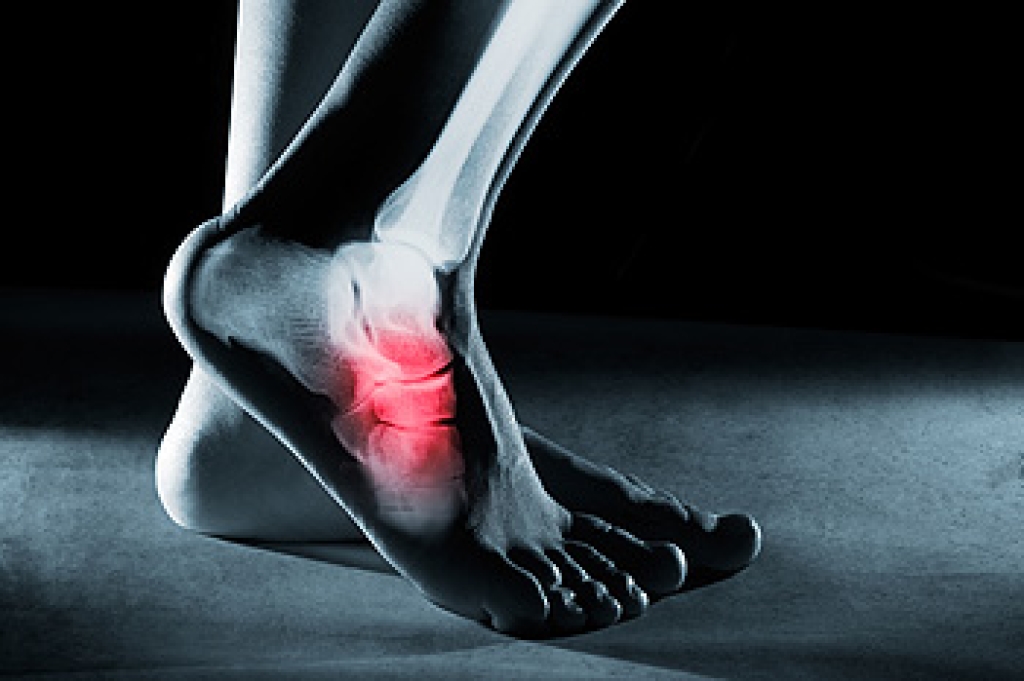
Cuboid syndrome is caused by partial dislocation of bones in the middle of the foot. Someone with cuboid syndrome usually feels pain around the middle of the foot or at the base of their toes. There are some symptoms of this condition that, when coupled together, can help to identify cuboid syndrome. Pain on the lateral side of the foot or the side of the little toe is an initial indicator. Pain also tends to worsen when weight is placed on the foot, so activities like walking or jumping may trigger discomfort. It is also possible for the foot to swell and for there to be a reduced range of motion in the foot or ankle. If you suffer from any of these symptoms and think you might have cuboid syndrome, it is highly recommended that you speak with a podiatrist to begin treatment.

Cuboid syndrome, also known as cuboid subluxation, occurs when the joints and ligaments near the cuboid bone in the foot become torn. If you have cuboid syndrome, consult with Brent Harwood, DPM from Southeast Podiatry. Our doctor will assess your condition and provide you with quality foot and ankle treatment.

Cuboid syndrome is a common cause of lateral foot pain, which is pain on the outside of the foot. The condition may happen suddenly due to an ankle sprain, or it may develop slowly overtime from repetitive tension through the bone and surrounding structures.

Causes

The most common causes of cuboid syndrome include:

  • Injury – The most common cause of this ailment is an ankle sprain.
  • Repetitive Strain – Tension placed through the peroneus longus muscle from repetitive activities such as jumping and running may cause excessive traction on the bone causing it to sublux.
  • Altered Foot Biomechanics – Most people suffering from cuboid subluxation have flat feet.

Symptoms

A common symptom of cuboid syndrome is pain along the outside of the foot which can be felt in the ankle and toes. This pain may create walking difficulties and may cause those with the condition to walk with a limp.

Diagnosis

Diagnosis of cuboid syndrome is often difficult, and it is often misdiagnosed. X-rays, MRIs and CT scans often fail to properly show the cuboid subluxation. Although there isn’t a specific test used to diagnose cuboid syndrome, your podiatrist will usually check if pain is felt while pressing firmly on the cuboid bone of your foot.

Treatment

Just as the range of causes varies widely, so do treatments. Some more common treatments are ice therapy, rest, exercise, taping, and orthotics.

If you have any questions, please feel free to contact one of our offices located in Fairhope and Atmore, AL . We offer the newest diagnostic and treatment technologies for all your foot care needs.

Read more about All About Cuboid Syndrome

All About Achilles Tendon Injuries

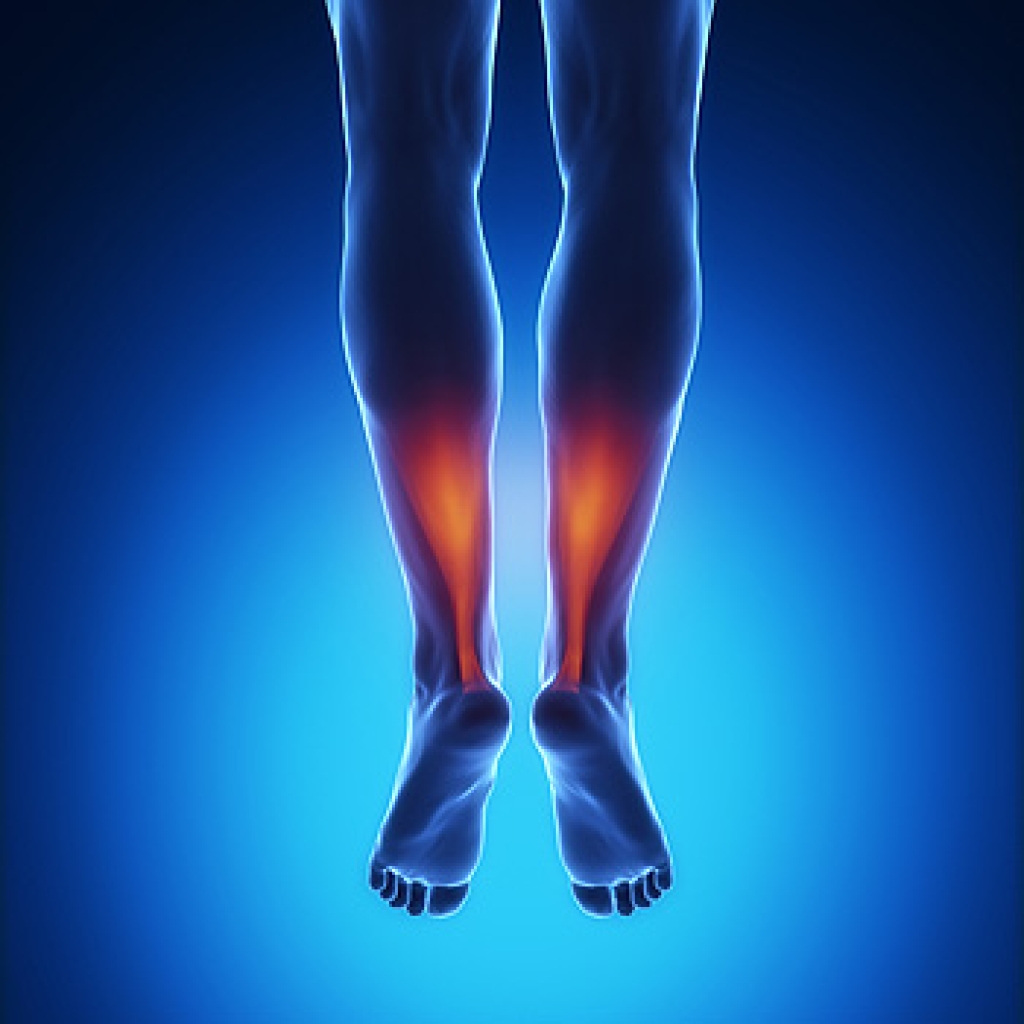
The fibrous band of tissue that links the muscles in your calf to your heel is called the Achilles tendon. This tendon is important for many physical activities, including jumping, running, and walking. Since it is used so frequently, the Achilles tendon undergoes a lot of stress, and too much stress can lead to injury. If the tendon becomes inflamed, swollen, or irritated, then tendonitis is occurring. Tendonitis can cause pain in the back of the leg and around the heel. The tendon can also thicken and harden; if these symptoms are occurring, then it is important to treat it before it gets worse. Complications can arise if this condition is not treated, such as severe pain, difficulty walking, deformation in either the tendon area or heel bone, and tendon rupture. If you think you may have tendonitis, it is recommended to consult with a podiatrist about treatment.

Achilles tendon injuries need immediate attention to avoid future complications. If you have any concerns, contact Brent Harwood, DPM of Southeast Podiatry. Our doctor can provide the care you need to keep you pain-free and on your feet.

What Is the Achilles Tendon?

The Achilles tendon is a tendon that connects the lower leg muscles and calf to the heel of the foot. It is the strongest tendon in the human body and is essential for making movement possible. Because this tendon is such an integral part of the body, any injuries to it can create immense difficulties and should immediately be presented to a doctor.

What Are the Symptoms of an Achilles Tendon Injury?

There are various types of injuries that can affect the Achilles tendon. The two most common injuries are Achilles tendinitis and ruptures of the tendon.

Achilles Tendinitis Symptoms

  • Inflammation
  • Dull to severe pain
  • Increased blood flow to the tendon
  • Thickening of the tendon

Rupture Symptoms

  • Extreme pain and swelling in the foot
  • Total immobility

Treatment and Prevention

Achilles tendon injuries are diagnosed by a thorough physical evaluation, which can include an MRI. Treatment involves rest, physical therapy, and in some cases, surgery. However, various preventative measures can be taken to avoid these injuries, such as:

  • Thorough stretching of the tendon before and after exercise
  • Strengthening exercises like calf raises, squats, leg curls, leg extensions, leg raises, lunges, and leg presses

If you have any questions please feel free to contact one of our offices located in Fairhope and Atmore, AL . We offer the newest diagnostic tools and technology to treat your foot and ankle needs.

Read more about Achilles Tendon Injuries

Stretches That Can Help Sever’s Disease

Sever’s disease is a painful heel condition that only affects children. Swelling of the growth plate is what causes this disease, along with discomfort and pain. Children that are involved in sports are more likely to have this affiliation, because injuries to the growth plate are caused by weight-bearing activities. Stretching can help to prevent Sever’s disease, and it can also assist in the healing process. Movements that stretch the hamstring, calf muscles, and tendons on the back of the leg should be performed 2 to 3 times a day, with the stretch being held for around 20 seconds. Even if there is only pain in one heel, the stretches should be done with both legs. Exercises that strengthen the muscles surrounding the shin will also help alleviate some discomfort and help to prevent this condition from developing again. If you think your child may have Sever’s Disease, then it is highly recommended to consult with a podiatrist in order to receive more information and proper treatment.

Sever's disease often occurs in children and teens. If your child is experiencing foot or ankle pain, see Brent Harwood, DPM from Southeast Podiatry. Our doctor can treat your child’s foot and ankle needs.

Sever’s Disease

Sever’s disease is also known as calcaneal apophysitis, which is a medical condition that causes heel pain I none or both feet. The disease is known to affect children between the ages of 8 and 14.

Sever’s disease occurs when part of the child’s heel known as the growth plate (calcaneal epiphysis) is attached to the Achilles tendon. This area can suffer injury when the muscles and tendons of the growing foot do not keep pace with bone growth. Therefore, the constant pain which one experiences at the back of the heel will make the child unable to put any weight on the heel. The child is then forced to walk on their toes.

Symptoms

Acute pain – Pain associated with Sever’s disease is usually felt in the heel when the child engages in physical activity such as walking, jumping and or running.

Highly active – Children who are very active are among the most susceptible in experiencing Sever’s disease, because of the stress and tension placed on their feet.

If you have any questions, please feel free to contact one of our offices located in Fairhope and Atmore, AL . We offer the newest diagnostic and treatment technologies for all your foot care needs.

Read more about Sever's Disease