
Have your child's feet been examined lately? Healthy feet are happy feet. If your child is complaining of foot pain, it may be a sign of underlying problems.



Have your child's feet been examined lately? Healthy feet are happy feet. If your child is complaining of foot pain, it may be a sign of underlying problems.
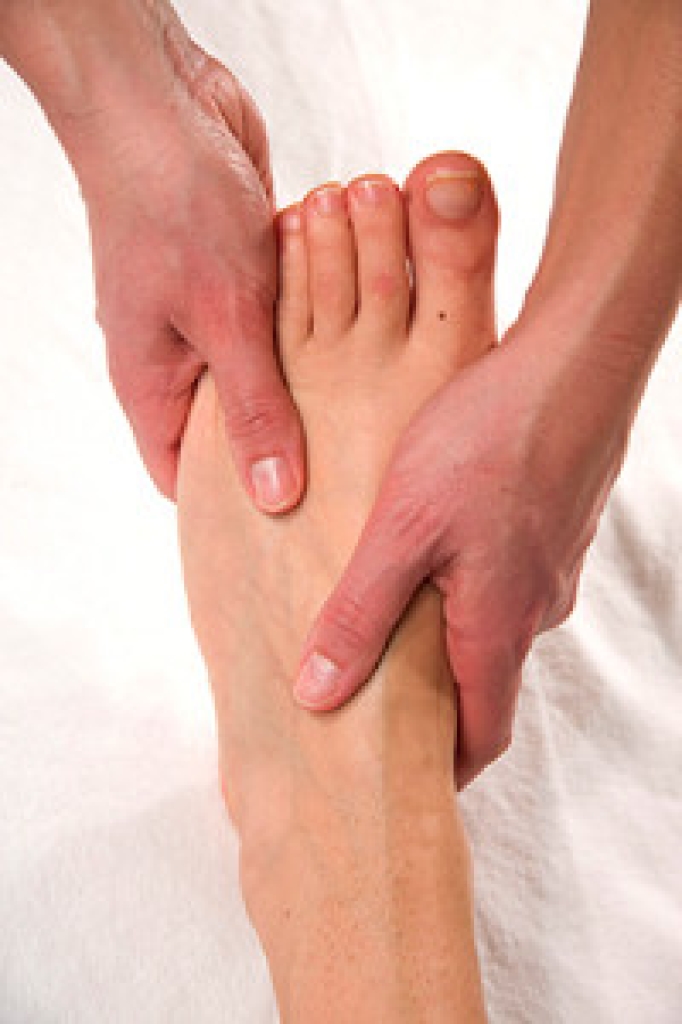 Foot pain on the inside of the foot is called medial foot pain, and foot pain on the outside of the foot is called lateral foot pain. It is most common for foot pain to be located on the outside of the foot. Lateral foot pain can be frustrating for those who enjoy being on their feet. The cuboid is one of the seven tarsal bones on the outside of the foot. An excess amount of traction over the cuboid can cause the tarsal bone to dislocate, which may result in cuboid syndrome. Pain for those with cuboid syndrome is usually experienced by those who participate in weight bearing activities. If you are experiencing any symptoms or have any questions regarding cuboid syndrome, please consider scheduling a consultation with a podiatrist today.
Cuboid syndrome, also known as cuboid subluxation, occurs when the joints and ligaments near the cuboid bone in the foot become torn. If you have cuboid syndrome, consult with Brent Harwood, DPM from Southeast Podiatry. Our doctor will assess your condition and provide you with quality foot and ankle treatment.
Cuboid syndrome is a common cause of lateral foot pain, which is pain on the outside of the foot. The condition may happen suddenly due to an ankle sprain, or it may develop slowly overtime from repetitive tension through the bone and surrounding structures.
Causes
The most common causes of cuboid syndrome include:
Symptoms
A common symptom of cuboid syndrome is pain along the outside of the foot which can be felt in the ankle and toes. This pain may create walking difficulties and may cause those with the condition to walk with a limp.
Diagnosis
Diagnosis of cuboid syndrome is often difficult, and it is often misdiagnosed. X-rays, MRIs and CT scans often fail to properly show the cuboid subluxation. Although there isn’t a specific test used to diagnose cuboid syndrome, your podiatrist will usually check if pain is felt while pressing firmly on the cuboid bone of your foot.
Treatment
Just as the range of causes varies widely, so do treatments. Some more common treatments are ice therapy, rest, exercise, taping, and orthotics.
If you have any questions, please feel free to contact one of our offices located in Fairhope and Atmore, AL . We offer the newest diagnostic and treatment technologies for all your foot care needs.
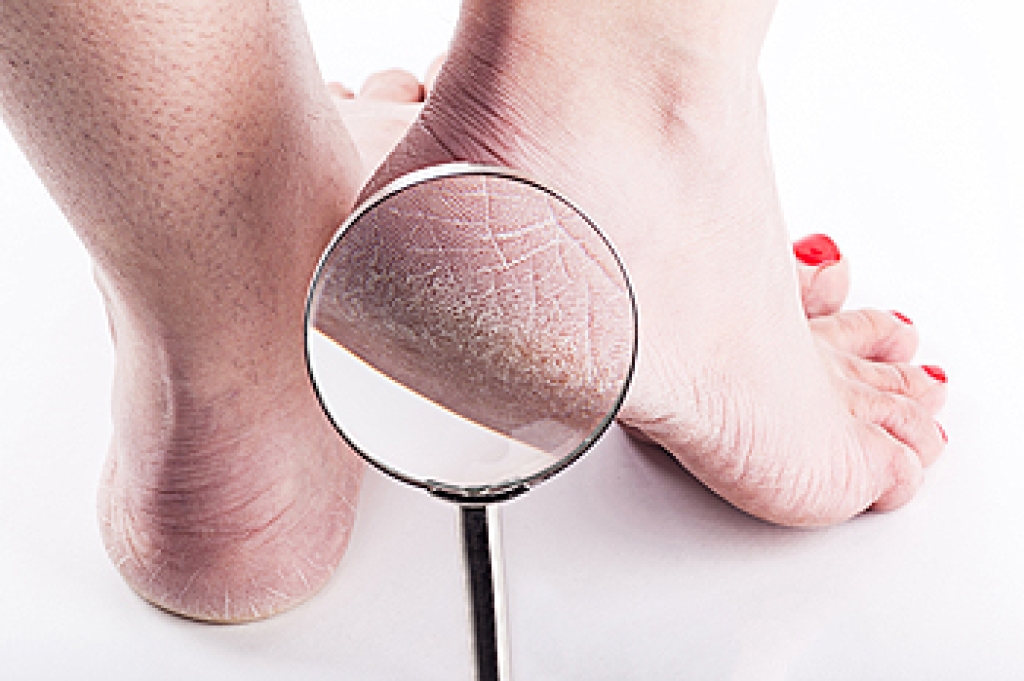 It is easy to forget to pay special attention to the heels of your feet when moisturizing. If there is an insufficient amount of moisture in the heels of our feet, they can crack easily. You may be prone to cracked feet if you are often dehydrated, take very hot showers, or excessively scrub your feet. Fortunately, there are some home remedies you can try if you are experiencing problems with cracked heels. This remedy involves both banana and coconut oil; both of these ingredients are known for their great moisturizing properties. In order to create the mixture, mix one ripe banana with a quarter cup of coconut oil and apply all over the feet. Let the mixture rest for 20 minutes before rinsing it off with cold water. This is a natural method that can be used to heal cracked feet. If you have any questions regarding cracked heels or are looking for advice on how to care for cracked heels, a consultation with a podiatrist is advised.
Cracked heels are unsightly and can cause further damage to your shoes and feet. If you have any concerns, contact Brent Harwood, DPM from Southeast Podiatry. Our doctor can provide the care you need to keep you pain-free and on your feet.
Cracked Heels
Cracked heels appear unappealing and can make it harder for you walk around in sandals. Aside from looking unpleasant, cracked heels can also tear stockings, socks, and wear out your shoes. There are several methods to help restore a cracked heel and prevent further damage.
How Do You Get Them?
Dry skin is the number one culprit in creating cracked heels. Many athletes, walkers, joggers, and even swimmers suffer from cracked heels. Age and skin oil production play a role to getting cracked heels as well.
Promote Healing
Over the counter medicines can help, especially for those that need instant relief or who suffer from chronic dry feet.
Wear Socks – Wearing socks with medicated creams helps lock in moisture.
Moisturizers – Applying both day and night will help alleviate dryness which causes cracking.
Pumice Stones – These exfoliate and remove dead skin, which allows for smoother moisturizer application and better absorption into the skin.
Change in Diet
Eating healthy with a well-balanced diet will give the skin a fresh and radiant look. Your body responds to the kinds of food you ingest. Omega-3 fatty acids and zinc supplements can also revitalize skin tissue.
Most importantly, seek professional help if unsure how to proceed in treating cracked heels. A podiatrist will help you with any questions or information needed.
If you have any questions, please feel free to contact one of our offices located in Fairhope and Atmore, AL . We offer the newest diagnostic and treatment technologies for all your foot care needs.

Your feet are covered most of the day. If you're diabetic, periodic screening is important for good health. Numbness is often a sign of diabetic foot and can mask a sore or wound.