
Blog

Methods That Can Help Diabetic Patients to Feel Better

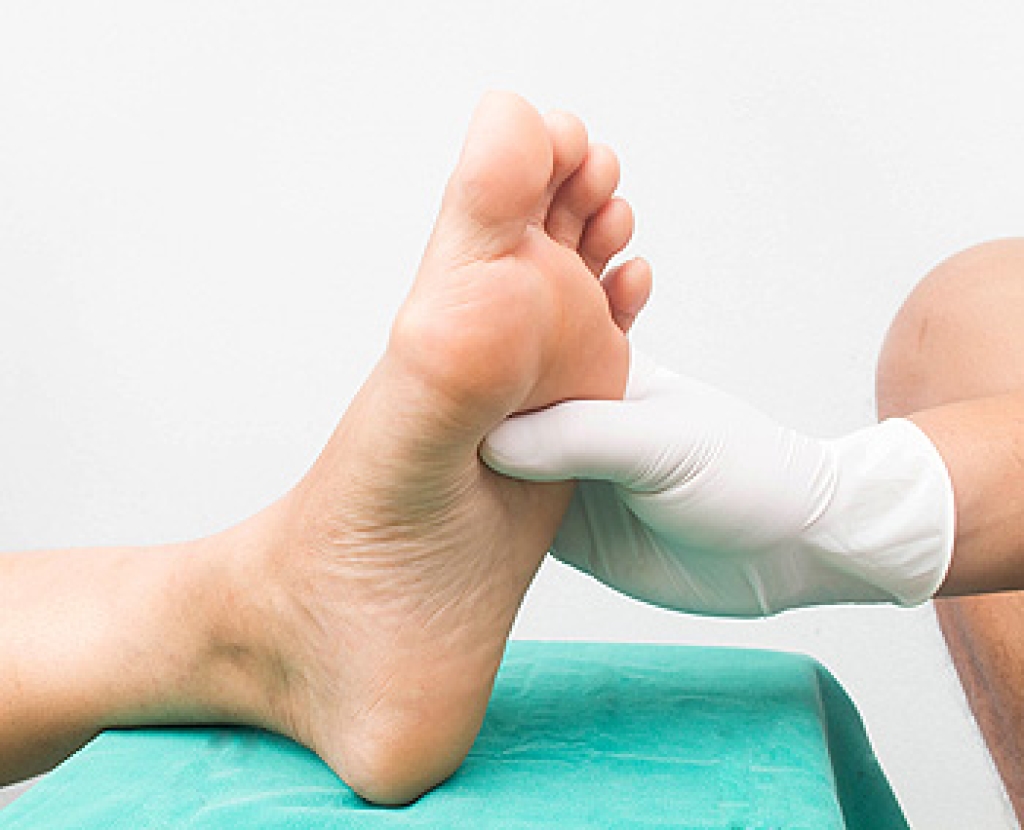
Diabetic foot is a condition that can require a hospital stay for some diabetic patients. It is a condition that may cause the patient to lose feeling in their feet, which can make it difficult to feel a cut or a bruise. It occurs as a result of elevated blood sugar levels. It is beneficial to control the amount of sugar that is ingested, and this is often helpful in keeping glucose levels within a normal range. Additionally, many patients find their feet feel better when they are gently washed and dried, and trimming the toenails correctly may help to avoid cuts on the toes. It is important to incorporate gentle exercise into your daily routine, as this may help to improve circulation and overall health. If you have diabetes, it is strongly suggested that you are under the care of a podiatrist who can help you to properly manage any foot-related problems that may arise because of this condition.

Diabetic foot care is important in preventing foot ailments such as ulcers. If you are suffering from diabetes or have any other concerns about your feet, contact Brent Harwood, DPM from Southeast Podiatry. Our doctor can provide the care you need to keep you pain-free and on your feet.

Diabetic Foot Care

Diabetes affects millions of people every year. The condition can damage blood vessels in many parts of the body, especially the feet. Because of this, taking care of your feet is essential if you have diabetes, and having a podiatrist help monitor your foot health is highly recommended.

The Importance of Caring for Your Feet

  • Routinely inspect your feet for bruises or sores.
  • Wear socks that fit your feet comfortably.
  • Wear comfortable shoes that provide adequate support.

Patients with diabetes should have their doctor monitor their blood levels, as blood sugar levels play such a huge role in diabetic care. Monitoring these levels on a regular basis is highly advised.

It is always best to inform your healthcare professional of any concerns you may have regarding your feet, especially for diabetic patients. Early treatment and routine foot examinations are keys to maintaining proper health, especially because severe complications can arise if proper treatment is not applied.

If you have any questions, please feel free to contact one of our offices located in Fairhope and Atmore, AL . We offer the newest diagnostic and treatment technologies for all your foot care needs.

Read more about Diabetic Foot Conditions

Do Your Child's Feet Hurt?

Have your child's feet been examined lately? Healthy feet are happy feet. If your child is complaining of foot pain, it may be a sign of underlying problems.

Plantar Warts Can Have Black Dots in the Center

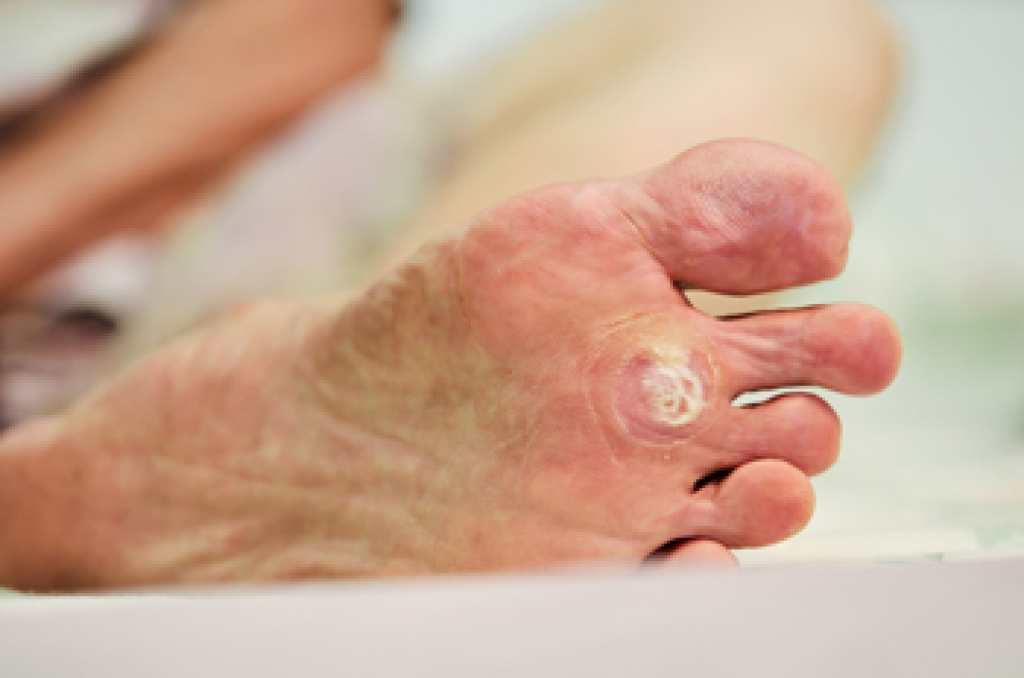
Human papillomavirus (HPV) is often the cause of a painful condition known as plantar warts. These warts can develop on the bottom of the feet and grow inward due to the amount of pressure that the feet endure while walking and standing. Plantar warts are small, grainy growths that may have tiny black dots in the center. These are blood vessels that have broken and sometimes cause pain and discomfort. Plantar warts can develop from frequenting areas like public swimming pools and locker rooms, where fungi thrive. These warts are contagious, so it is suggested that you refrain from sharing shoes, socks, and towels with others. If you have pain on the bottom of your foot or notice hardened areas that may be plantar warts, it is strongly suggested that you consult with a podiatrist who can help find the right course of treatment for you.

Plantar warts can be very uncomfortable. If you need your feet checked, contact Brent Harwood, DPM from Southeast Podiatry. Our doctor will assist you with all of your foot and ankle needs.

About Plantar Warts

Plantar warts are the result of HPV, or human papillomavirus, getting into open wounds on the feet. They are mostly found on the heels or balls of the feet.

While plantar warts are generally harmless, those experiencing excessive pain or those suffering from diabetes or a compromised immune system require immediate medical care. Plantar warts are easily diagnosed, usually through scraping off a bit of rough skin or by getting a biopsy.

Symptoms

  • Lesions on the bottom of your feet, usually rough and grainy
  • Hard or thick callused spots
  • Wart seeds, which are small clotted blood vessels that look like little black spots
  • Pain, discomfort, or tenderness of your feet when walking or standing

Treatment

  • Freezing
  • Electric tool removal
  • Laser Treatment
  • Topical Creams (prescription only)
  • Over-the-counter medications

To help prevent developing plantar warts, avoid walking barefoot over abrasive surfaces that can cause cuts or wounds for HPV to get into. Avoiding direct contact with other warts, as well as not picking or rubbing existing warts, can help prevent the further spread of plantar warts. However, if you think you have developed plantar warts, speak to your podiatrist. He or she can diagnose the warts on your feet and recommend the appropriate treatment options.

If you have any questions, please feel free to contact one of our offices located in Fairhope and Atmore, AL . We offer the newest diagnostic and treatment technologies for all your foot care needs.

Read more about Plantar Warts

Wounds That Don't Heal Need to Be Checked

Your feet are covered most of the day. If you're diabetic, periodic screening is important for good health. Numbness is often a sign of diabetic foot and can mask a sore or wound.

How Obesity Affects Your Feet

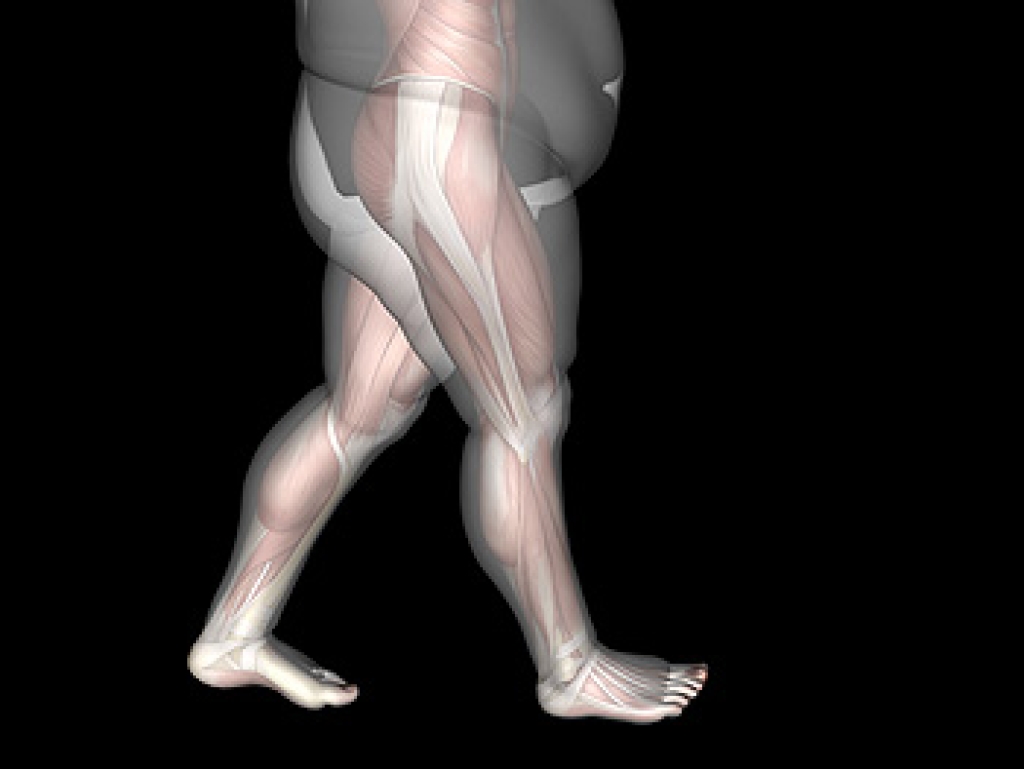
Maintaining a healthy weight is essential to your well being, which includes your foot and ankle health. People who are obese are more likely to develop foot pain than those with healthy body weights. Heavier individuals are more prone to flat feet, decreased range of motion, and they also put more pressure on the soles of their feet. All of this can put excess stress on the foot’s tissue and bone structures. Obesity increases an individual’s risk of plantar fasciitis, hammertoes, bunions, and can increase their chances of developing systemic diseases which negatively affect the feet, like diabetes and gout. A podiatrist has a variety of methods to help ease the pressure of excess weight on the feet, including guidance on proper footwear and creating custom orthotics to more evenly distribute weight, support the arch, and relieve pressure points.

Obesity has become very problematic at this point in time and can have extremely negative effects on the feet. If you’re an obese individual and are concerned about your feet, contact Brent Harwood, DPM from Southeast Podiatry. Our doctor can provide the care you need to keep you pain-free and on your feet.

Obesity and Your Feet

Since your feet are what support your entire weight when standing, any additional weight can result in pain and swelling. Being overweight is one of the main contributors to foot complications.

Problems & Complications

Extra Weight – Even putting on just a few extra pounds could create serious complications for your feet. As your weight increases, your balance and body will shift, creating new stresses on your feet. This uneven weight distribution can cause pain, even while doing the simplest tasks, such as walking.

Diabetes – People who are overweight are at serious risk of developing type-2 diabetes, which has a drastic impact on the health of your feet. As you get older, your diabetes might worsen, which could lead to loss of feeling in your feet, sores, and bruises. You could also become more prone to various infections.

Plantar fasciitis – Pressure and stress that is placed on muscles, joints, and tendons can trigger plantar fasciitis, which is an inflammation of tissue that forms along the bottom of the foot. 

If you have any questions, please feel free to contact one of our offices located in Fairhope and Atmore, AL . We offer the newest diagnostic and treatment technologies for all your foot care needs.
Read more about How Obesity Affects Your Feet