




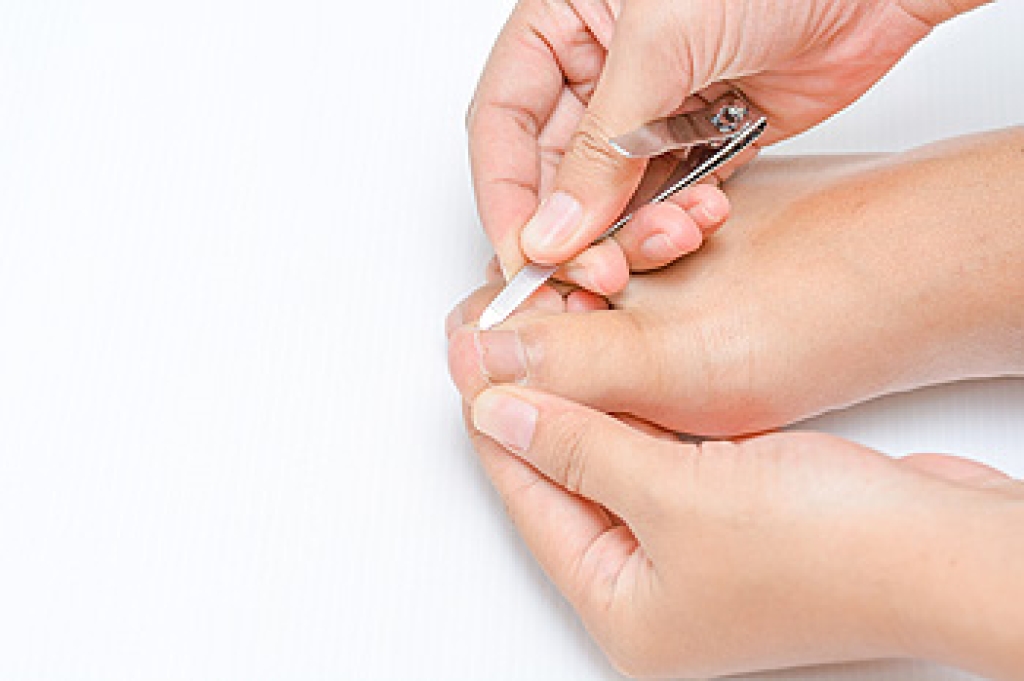
 Being aware of your feet is essential in managing diabetes. Many foot conditions can develop as a result of being diabetic, including bunions, corns, foot ulcers, and blisters. Possible nerve damage may occur as a result of elevated blood sugar levels, and this may encourage a condition that is referred to as diabetic neuropathy to develop. The symptoms of this ailment may include a loss of feeling in the feet, which may often lead to unnoticed cuts and bruises that may be present. Nerve damage may cause the feet to change shape, which indicates a different size shoe should be worn. If this is not adhered to, friction may cause unwanted foot conditions to develop. Cracked skin may often be a gateway for germs to enter the body, and this may be alleviated by utilizing a moisturizing cream or lotion. If you are diabetic, it’s vital to consult with a podiatrist as quickly as possible to learn about how to properly take care of your feet.
Diabetic foot care is important in preventing foot ailments such as ulcers. If you are suffering from diabetes or have any other concerns about your feet, contact Brent Harwood, DPM from Southeast Podiatry. Our doctor can provide the care you need to keep you pain-free and on your feet.
Diabetic Foot Care
Diabetes affects millions of people every year. The condition can damage blood vessels in many parts of the body, especially the feet. Because of this, taking care of your feet is essential if you have diabetes, and having a podiatrist help monitor your foot health is highly recommended.
The Importance of Caring for Your Feet
Patients with diabetes should have their doctor monitor their blood levels, as blood sugar levels play such a huge role in diabetic care. Monitoring these levels on a regular basis is highly advised.
It is always best to inform your healthcare professional of any concerns you may have regarding your feet, especially for diabetic patients. Early treatment and routine foot examinations are keys to maintaining proper health, especially because severe complications can arise if proper treatment is not applied.
If you have any questions, please feel free to contact one of our offices located in Fairhope and Atmore, AL . We offer the newest diagnostic and treatment technologies for all your foot care needs.

Your feet are covered most of the day. If you're diabetic, periodic screening is important for good health. Numbness is often a sign of diabetic foot and can mask a sore or wound.
 Athlete’s foot, also known as tinea pedis, is a common fungal infection that can affect people who work out at public gyms. You can develop this condition by wearing tight, sweaty shoes for a long period of time or by walking barefoot on damp surfaces around your gym. This fungal infection is typically described as being itchy and scaly, and it can actually spread to other parts of the body. If you are looking for ways to avoid getting athlete’s foot, you should avoid walking barefoot at the gym, and opt to wear flip-flops instead. However, if you do get athlete’s foot, you may be able to treat it with over-the-counter fungal cream. If the cream doesn’t work for you, you may want to see your podiatrist to find a treatment option for your specific case.
Athlete’s Foot
Athlete’s foot is often an uncomfortable condition to experience. Thankfully, podiatrists specialize in treating athlete’s foot and offer the best treatment options. If you have any questions about athlete’s foot, consult with Brent Harwood, DPM from Southeast Podiatry. Our doctor will assess your condition and provide you with quality treatment.
What Is Athlete’s Foot?
Tinea pedis, more commonly known as athlete’s foot, is a non-serious and common fungal infection of the foot. Athlete’s foot is contagious and can be contracted by touching someone who has it or infected surfaces. The most common places contaminated by it are public showers, locker rooms, and swimming pools. Once contracted, it grows on feet that are left inside moist, dark, and warm shoes and socks.
Prevention
The most effective ways to prevent athlete’s foot include:
Symptoms
Athlete’s foot initially occurs as a rash between the toes. However, if left undiagnosed, it can spread to the sides and bottom of the feet, toenails, and if touched by hand, the hands themselves. Symptoms include:
Diagnosis and Treatment
Diagnosis is quick and easy. Skin samples will be taken and either viewed under a microscope or sent to a lab for testing. Sometimes, a podiatrist can diagnose it based on simply looking at it. Once confirmed, treatment options include oral and topical antifungal medications.
If you have any questions, please feel free to contact one of our offices located in Fairhope and Atmore, AL . We offer the newest diagnostic and treatment technologies for all your foot care needs.

Custom orthotics, or shoe inserts, should be periodically replaced. Orthotics must fit properly to give you the best results. Protect your feet and ankles!