

Gout is a painful, inflammatory form of arthritis. Those affected will typically feel an intense stiffness in the joints of their feet, particularly in the big toe. Schedule a visit to learn about how gout can be managed and treated.



Gout is a painful, inflammatory form of arthritis. Those affected will typically feel an intense stiffness in the joints of their feet, particularly in the big toe. Schedule a visit to learn about how gout can be managed and treated.
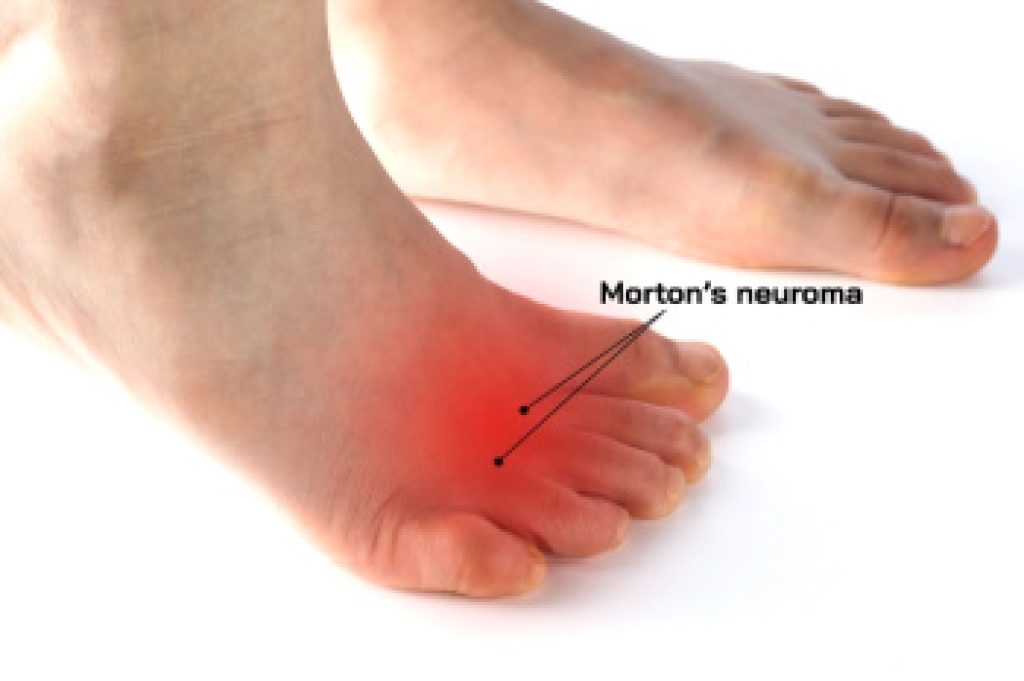
Morton’s neuroma is a painful nerve condition that affects the ball of the foot, most often between the third and fourth toes. The foot usually looks normal on the outside, but some people notice mild swelling or spreading of the toes. It often feels like burning or numbness, sometimes described as standing on a pebble or a folded sock. Symptoms may worsen with walking, running, or wearing tight shoes. A podiatrist can help from the start by evaluating symptoms, examining foot structure, and confirming the diagnosis with imaging when needed. Treatment may begin with footwear changes, padding, orthotics, and inflammation control. Care can then progress into activity modification and advanced treatment options when conservative care is not effective. It is suggested that if you are experiencing nerve pain in the ball of the foot, you make an appointment with a podiatrist.
Morton’s neuroma is a very uncomfortable condition to live with. If you think you have Morton’s neuroma, contact Brent Harwood, DPM of Southeast Podiatry. Our doctor will attend to all of your foot care needs and answer any of your related questions.
Morton’s Neuroma
Morton's neuroma is a painful foot condition that commonly affects the areas between the second and third or third and fourth toe, although other areas of the foot are also susceptible. Morton’s neuroma is caused by an inflamed nerve in the foot that is being squeezed and aggravated by surrounding bones.
What Increases the Chances of Having Morton’s Neuroma?
Morton’s neuroma is a very treatable condition. Orthotics and shoe inserts can often be used to alleviate the pain on the forefront of the feet. In more severe cases, corticosteroids can also be prescribed. In order to figure out the best treatment for your neuroma, it’s recommended to seek the care of a podiatrist who can diagnose your condition and provide different treatment options.
If you have any questions, please feel free to contact one of our offices located in Fairhope and Atmore, AL . We offer the newest diagnostic and treatment technologies for all your foot care needs.

Plantar warts are small growths that develop on parts of the feet that bear weight. They're typically found on the bottom of the foot. Don't live with plantar warts, and call us today!
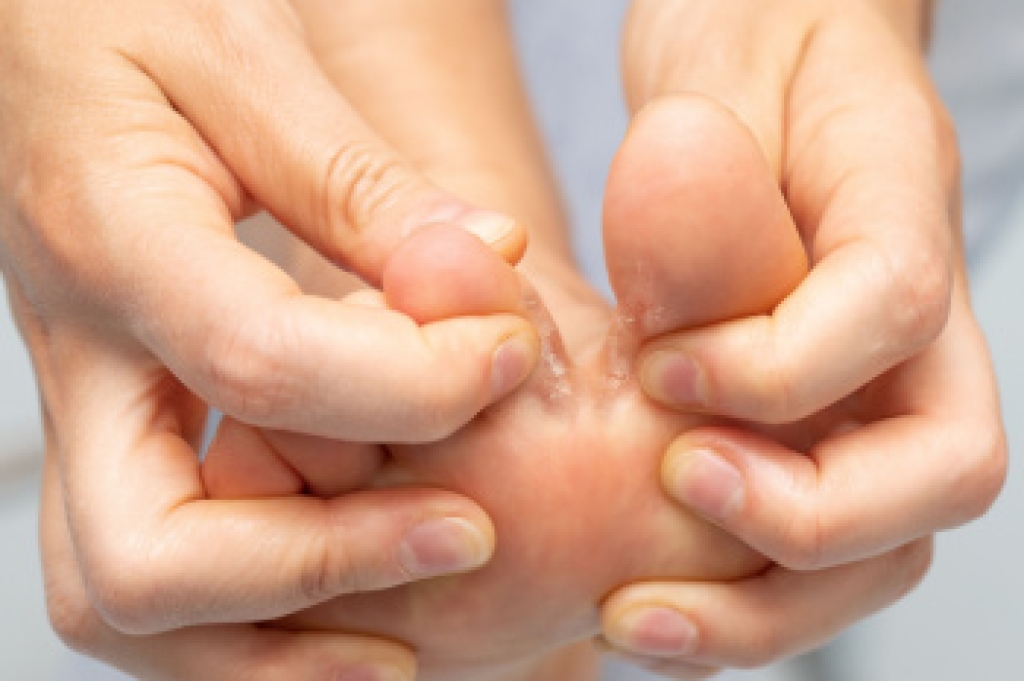
Athlete’s foot is a common skin infection that affects the feet and is caused by a fungus known as a dermatophyte. This fungus thrives in warm, moist environments such as locker rooms, shoes, and public showers. Athlete’s foot spreads through direct contact or contact with contaminated surfaces. Common symptoms include itching, redness, burning, and painful skin, especially between the toes or on the soles of the feet. The skin may crack, peel, or become irritated, making walking uncomfortable. A podiatrist can help by accurately diagnosing the condition and recommending appropriate antifungal treatments. Care may also include guidance on foot hygiene, footwear choices and moisture control to prevent recurrence. If you are experiencing persistent itching, redness, or foot discomfort, do not ignore the symptoms. It is suggested that you consult a podiatrist who can offer effective treatment solutions.
Athlete’s foot is an inconvenient condition that can be easily reduced with the proper treatment. If you have any concerns about your feet and ankles, contact Brent Harwood, DPM from Southeast Podiatry. Our doctor will treat your foot and ankle needs.
Athlete’s Foot: The Sole Story
Athlete's foot, also known as tinea pedis, can be an extremely contagious foot infection. It is commonly contracted in public changing areas and bathrooms, dormitory style living quarters, around locker rooms and public swimming pools, or anywhere your feet often come into contact with other people.
Solutions to Combat Athlete’s Foot
Athlete’s foot can cause many irritating symptoms such as dry and flaking skin, itching, and redness. Some more severe symptoms can include bleeding and cracked skin, intense itching and burning, and even pain when walking. In the worst cases, Athlete’s foot can cause blistering as well. Speak to your podiatrist for a better understanding of the different causes of Athlete’s foot, as well as help in determining which treatment options are best for you.
If you have any questions please feel free to contact one of our offices located in Fairhope and Atmore, AL . We offer the newest diagnostic and treatment technologies for all your foot and ankle needs.

Painful deformities, such as hammertoes, can be treated. Stop living with foot pain, and have beautiful feet again!